By KT Reporter
The Uganda Development Bank has launched a process aimed at reforming its mode of financing enterprises to focus more on technology, innovation and sustainability.
The Reshaping Industries for a Sustainable Economy (RISE) Program is an initiative that is expected to transform the way the Bank deploys its resources within the economy.

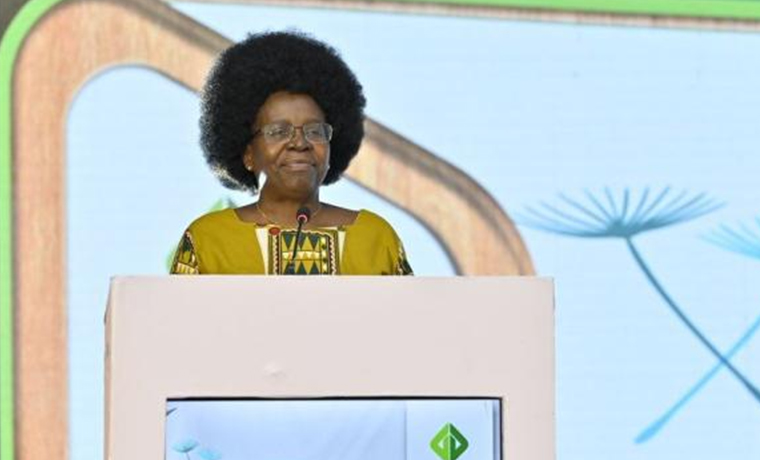
Launching the programme, Monica Musenero, the Minister for Science, Technology and Innovation says the apprehension by the financial institutions to support technology and innovation is stifling the progress of the industry in Uganda.
The Minister said that when innovators take a project to a bank to seek its financing, the bank says they do not understand the projects being pitched for financing, which explains the difficulties in explaining a digital or technology innovation especially still in its infancy.
“This is the vision I’ve been waiting for; it is my rallying cry to shake up banking. Innovators shouldn’t be relegated to “social responsibility” crumbs; they deserve mainstream funding,” she said.
The RISE Programme will enable the Bank to identify projects, whether startups, SMEs or corporations that pass the sustainability test, for easy access to credit to the low-cost credit facilities that UDB provides.
UDBL Managing Director, Patricia Ojangole said the programme delivers a groundbreaking solution to address modern-day challenges, diversify the economy, and establish high-tech, high-value-added, high-income, and truly green businesses and projects.
She says any project, particularly startups, which aspired to benefit under this programme will only be required to present their innovation and the project will be chosen for consideration.
It comes as the global financial industry is taking the lead in the fight against development that negatively affects the environment and abets climate change, does not respect human rights and disregards transparency.
“It focuses on developing a sustainable local industrial base through the power of crowds. It is about creating and funding “Change the World” businesses and projects,” says Ojangole, adding, “The survival of our societies and our shared planet depends on building a more sustainable world.”
She notes that traditionally, addressing such issues was the responsibility of states, world leaders, and international organizations like the United Nations. However, the dynamics had significantly shifted, calling for everyone’s contribution.
“As the country’s national Development Finance Institution, we find ourselves at a critical juncture where we must develop innovative solutions to global challenges like climate change.”
Minister Musenero says as Uganda plans and prepares for a high-speed growth period over the next 15 years, the growth must not be driven by the traditional modes of production, especially those that involve the production of raw materials, but by value addition and knowledge-led production.
“Too often, industries reach a point where they standardise, stagnate, and stop imagining. Banks recycle old ideas as “new products,” but what about emerging sectors?” she wondered before challenging the banks to be innovative, “Development is like climbing stairs: you start with what’s familiar, step up by faith, and build momentum. But we often linger too long on the landing, stuck in outdated methods like assessing creditworthiness.”
RISE provides startups, SMEs, large corporations, and platforms a unique opportunity to connect with lenders and investors from governments, agencies, and the private sector.
This platform, initiated by UDB and supported by the Chairman of the Uganda Bankers Association and the International Sustainability Council (ISC), is designed to foster innovation and drive change in industries that the world needs.
ISC is a non-profit coalition of sustainability advocacy organizations and initiatives. “The RISE platform addresses this gap by empowering financial institutions to support sustainable, high-revenue ventures that offer breakthrough solutions for society and the environment,” says Arshad Rab, CEO and Chairman, of ISC.
Rab says the RISE platform will create an ecosystem in which agrotech companies, scientists, the engineering community, tech startups, investors, financial institutions, energy tech providers, government agencies and policymakers will drive innovative solutions that are environmentally and climate-friendly.
In the agricultural sector, for example, the programme aims to build a technology ecosystem to enable a shift from unsustainable to sustainable agriculture and food security-URN. Give us feedback on this story through our email: kamwokyatimes@gmail.com