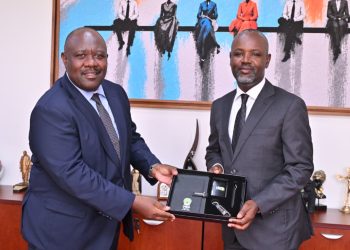


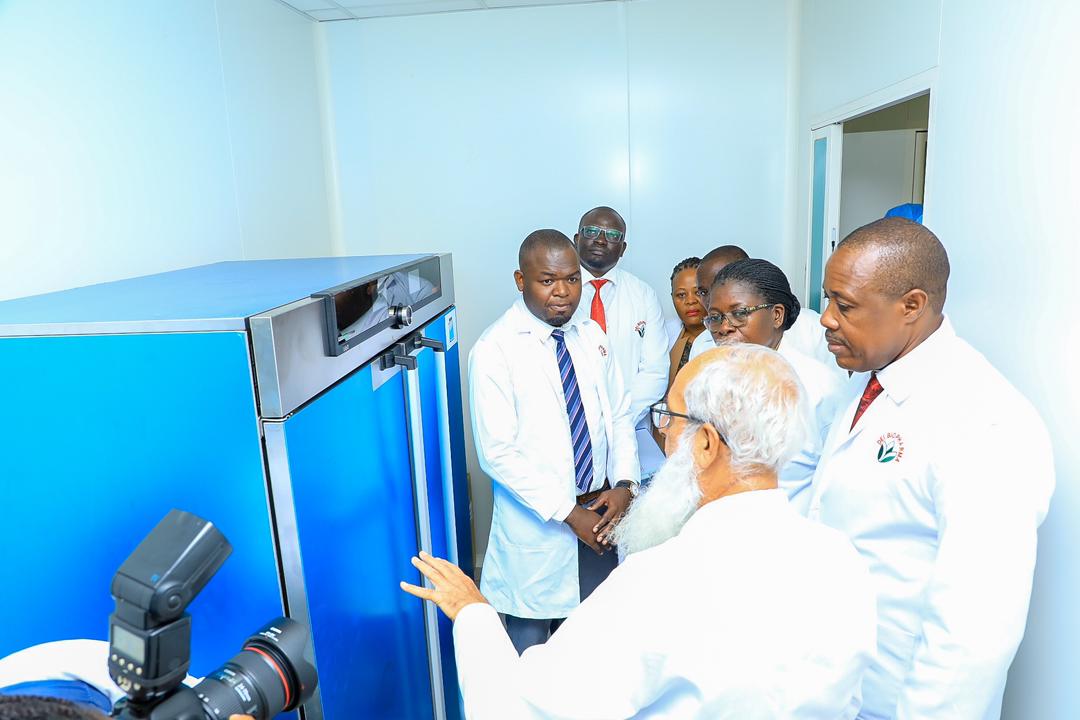
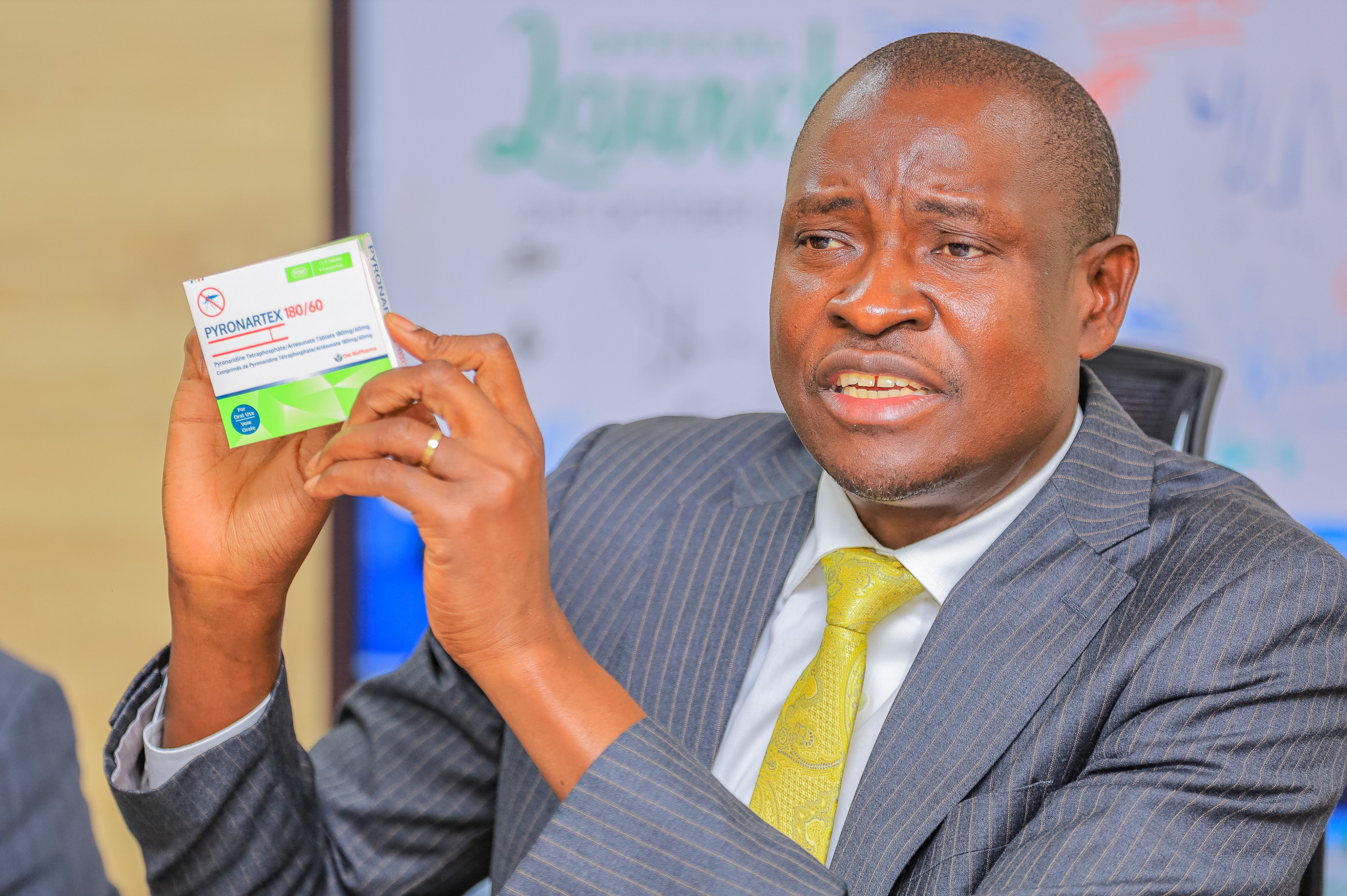
 Dr Matthias Magoola addressing journalists at the Dei BioPharma Complex in Matugga
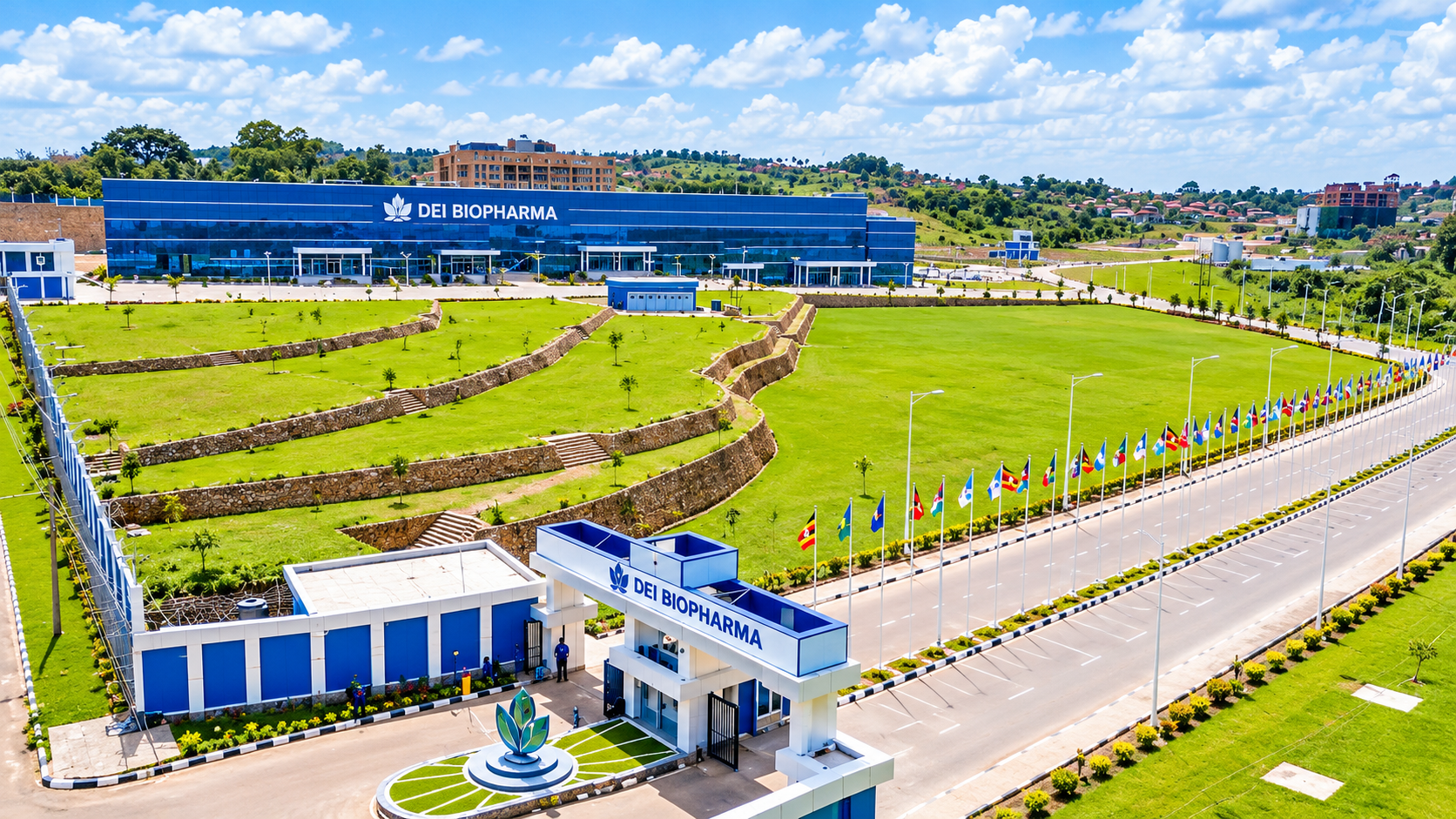 Dei BioPharma Complex
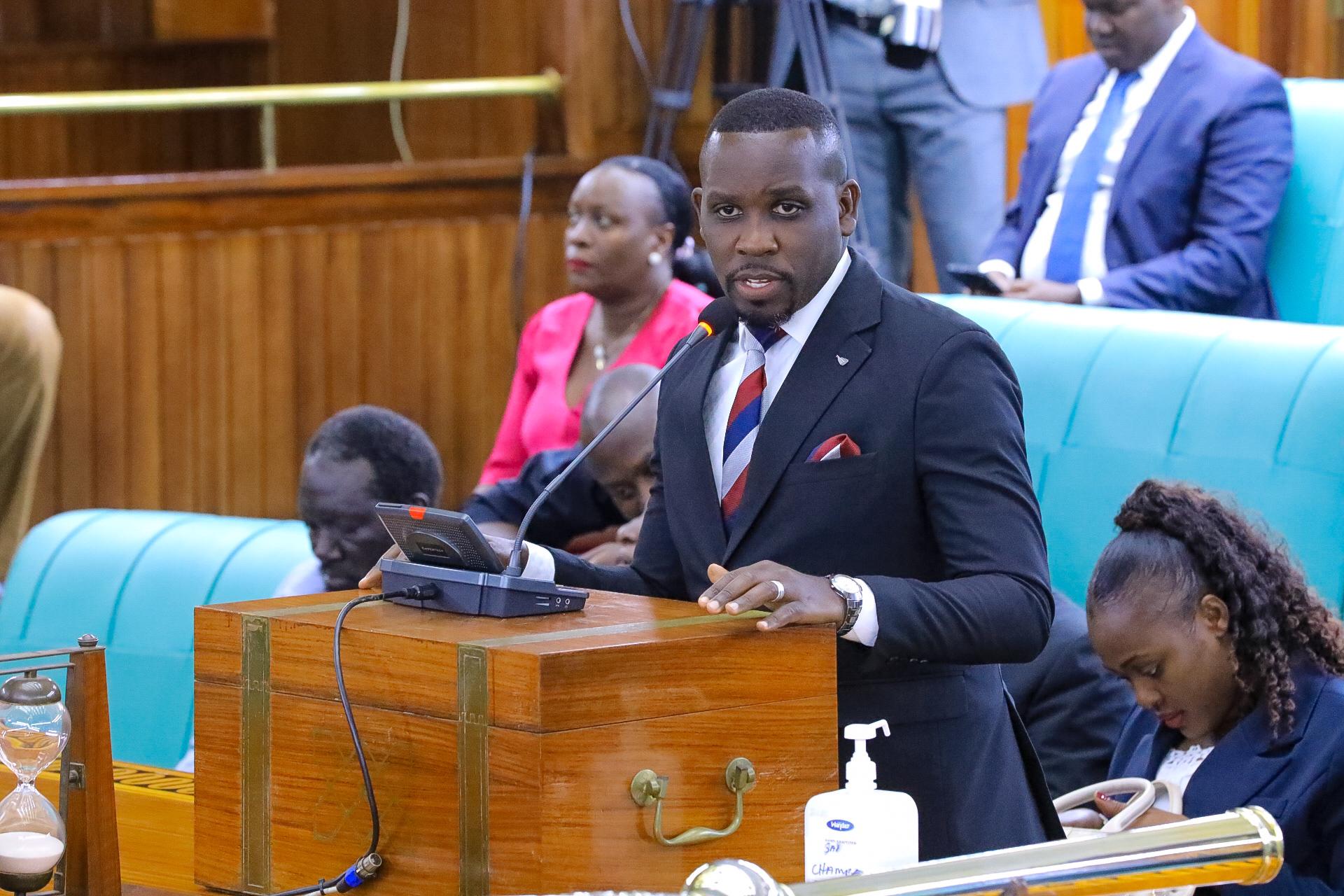 Leader of the Opposition Joel Ssenyonyi
The company’s founder, Dr Matthias Magoola, told journalists on Tuesday that Dei BioPharma currently has 14 products on the market, seeking to demonstrate that commercial pharmaceutical production is already taking place despite questions about the facility’s operational capacity and progress towards vaccine manufacturing.
However, Magoola did not provide a separate breakdown of the specialised medicines being produced, their respective production volumes, market destinations or the proportion of domestic demand they currently satisfy.
The disclosure came during a press briefing at the Matugga complex, where company officials also addressed a protracted financial dispute with Equity Bank that has resulted in notices advertising properties associated with the company and its founder for sale.
The developments expose the competing pressures surrounding one of Uganda’s most ambitious pharmaceutical industrialisation projects: the need to establish local capacity for essential and specialised medicines, the sustainability of large-scale private financing, and the public’s right to know how government resources invested in the project are being protected.
Dei BioPharma was conceived as a major step towards reducing Uganda’s dependence on imported medicines, strengthening domestic pharmaceutical research and development, and positioning the country as a regional producer of advanced medical products.
President Museveni commissioned the Matugga facility in October 2022, presenting it as a strategic investment in pharmaceutical independence and national health security.
But the continued absence of a completed vaccine manufacturing unit, coupled with questions about production capacity, the government’s shareholding and the company’s financial obligations, has intensified scrutiny of whether the project is delivering on its original promises.
Responding to questions about the specialised medicines manufactured at Matugga, Magoola said the company currently has 14 products on sale.
Among the products he identified were hydroxyurea, used in the management of sickle cell disease, and tranexamic acid, which is used to control excessive bleeding, including in the management of postpartum haemorrhage.
He also cited several antimalarial combinations recommended by the World Health Organization (WHO), including artesunate-pyronaridine, artesunate-amodiaquine and dihydroartemisinin-piperaquine.
The medicines address important public health needs, particularly in a country where malaria remains a major cause of illness and mortality, while sickle cell disease and maternal haemorrhage continue to place pressure on health services.
However, the announcement of 14 products does not, on its own, establish the scale of commercial production or the extent to which the company is meeting Uganda’s pharmaceutical needs.
Important information remains outstanding, including the quantities manufactured, production costs, regulatory approvals, sales volumes, distribution to public health facilities and the proportion of the products supplied to the domestic market.
These details are particularly important given the scale of government support and the strategic expectations attached to the investment.
Magoola also claimed that Dei BioPharma is the sole African manufacturer of some of the medicines listed, although the claim requires independent verification against pharmaceutical manufacturers and regulatory records across the continent.
The company has also outlined ambitions to manufacture mRNA vaccines, oncology medicines, biosimilars and generic pharmaceutical products at scale once the complex becomes fully operational.
Those ambitions would represent a significant expansion of Uganda’s pharmaceutical manufacturing capacity, but they remain dependent on completing specialised infrastructure, securing regulatory approvals, obtaining sustainable financing and demonstrating compliance with internationally recognised manufacturing standards.
The production claims come against the backdrop of a substantial government investment in the privately operated pharmaceutical company, which has attracted parliamentary scrutiny over the value of the public stake, expected returns and delivery of the project’s original objectives.
According to the Auditor General’s December 2024 report, government support to Dei BioPharma totalled approximately Shs723.4 billion, comprising Shs70 billion in the 2023/2024 financial year, another Shs75 billion released in December 2023 and Shs578.4 billion approved through a supplementary budget in the 2024/2025 financial year.
The government was allocated a reported 9.4 per cent shareholding in the company in return for the investment.
However, the Auditor General previously raised concerns about the absence of a valuation report and shareholder agreement, which made it difficult to independently establish whether the government received shares commensurate with the public resources committed.
The audit also reported that the government had not received share certificates at the time of the examination. These were historical audit findings and should be distinguished from the company’s subsequent position on the documentation.
The matter gained further parliamentary attention in October 2026, when the Committee on Presidential Affairs called for stronger safeguards around the investment.
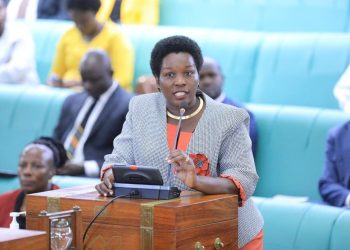
Presenting the committee’s findings, MP Martin Mapenduzi said government needed clear documentation of its shareholding, expected returns, project deliverables and measurable performance targets corresponding to the public resources invested.
“Government should ensure that clear documentation of government’s shares in Dei BioPharma, the expected returns, deliverables and performance targets, commensurate with the public resources invested are provided,” Mapenduzi said.
The committee also reported that Dei BioPharma was operating below its envisaged capacity because of incomplete infrastructure and financing constraints.
Its assessment recorded that the company had produced and distributed six generic medicines during the 2024/2025 financial year, including paracetamol, tramadol, metformin, doxycycline and metronidazole.
That finding provides an important baseline against which the latest announcement of 14 products on sale should be assessed. The two figures relate to different reporting periods and potentially different product categories; they do not, without further documentation, establish the company’s current production volumes or commercial performance.
The parliamentary committee called for government to establish clear performance benchmarks and stronger safeguards for its investment.
The Speaker subsequently directed the House Committee on Science, Technology and Innovation to investigate the circumstances surrounding the company, including the status of its assets and the public investment.
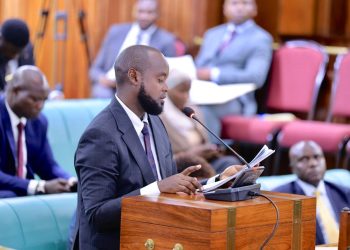
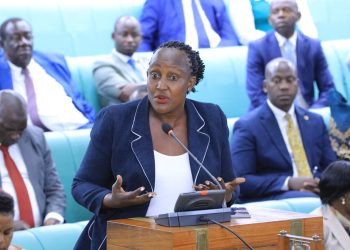
Leader of the Opposition Joel Ssenyonyi (Nakawa Division West) has also questioned the specialised medicines being produced and demanded greater accountability for taxpayers’ money.
The concerns go to the heart of public investment governance: government must demonstrate not only how much money was committed, but what it acquired, what benefits citizens are receiving and how the investment will generate measurable public value.
The company’s financial difficulties have further complicated its operational ambitions.
During Tuesday’s briefing, Magoola disclosed that his personal residence was among the properties advertised for sale in connection with the outstanding loan dispute with Equity Bank. “My house is among those assets to be sold,” he told journalists.
Board chairperson Dr Patrick Wakida, who is also the MP for Kabweri County, said Dei BioPharma had paid Equity Bank Shs183 billion since February 2024 but continued to dispute the bank’s calculations of the outstanding loan balance.
Wakida alleged that the bank consolidated several credit facilities and subsequently charged interest on the combined amounts, a method the company disputes.
The companies have also challenged the interest rates applied to some facilities, alleging that rates of up to 21 per cent were charged against agreed rates of 17 per cent.
An independent audit reportedly placed the disputed outstanding debt at approximately US$39.9 million, equivalent to about Shs147.7 billion, as at June 28, 2025. The companies, however, contest the audit process and the resulting balance.
The dispute arises from credit facilities advanced by Equity Bank Uganda and Equity Bank Kenya between 2016 and 2021 to finance construction of the Matugga pharmaceutical complex.
The banks have defended their recovery process through legal channels, while the borrowers maintain that the outstanding amount cannot be conclusively established until the disputed accounting and audit issues are resolved.
The dispute escalated after the High Court dismissed the companies’ application challenging the audit process in July 2026.
In September, however, the Court of Appeal ordered a stay of proceedings in High Court Civil Suit No. 929 of 2024 pending the hearing and final determination of the intended appeal.
Justice Florence Nakachwa ruled that the appeal raised arguable issues concerning the audit process and the possible prejudice the borrowers could suffer if the main proceedings continued before those issues were resolved.
The stay should not be interpreted as a final determination of the debt or as proof that the banks’ recovery claims are unlawful. Nor does the reported order, on the available information, establish that every enforcement or auction action has automatically been suspended.
The legal dispute therefore remains significant to the company’s future, particularly because the pharmaceutical complex is financed through a combination of commercial borrowing and public investment.
The central question is whether the parties can establish the legitimate outstanding obligations through a transparent process without undermining the project’s ability to produce essential medicines or exposing public resources to avoidable losses.
The unfinished vaccine manufacturing unit remains one of the clearest indicators of the gap between the project’s original ambitions and its current operational capacity.
When Museveni commissioned the Matugga complex in October 2022, the project was presented as a major investment in domestic pharmaceutical manufacturing, with ambitions extending beyond conventional generic medicines to vaccines, oncology products, injectables and advanced biotechnology.
However, the dedicated vaccine production unit has yet to be completed, and company officials have not provided a firm date for the commencement of vaccine manufacturing.
The parliamentary assessment in October identified incomplete specialised production lines, including facilities still undergoing installation, validation and commissioning.
It also highlighted inadequate and unreliable electricity, insufficient water supply and a substantial financing gap as constraints affecting the project’s full operationalisation.
The committee recommended that government facilitate an additional US$434 million to complete the facility, alongside provision of approximately 100 megawatts of reliable electricity and adequate water infrastructure.
The water requirement was estimated at between seven million and 10 million litres daily when the facility operates at full capacity.
The proposed additional financing, equivalent to approximately Shs1.74 trillion at the exchange rate cited during the parliamentary discussions, has intensified debate about whether further public resources should be committed before the existing investment is independently accounted for.
The question is not simply whether Uganda should invest in pharmaceutical manufacturing, but whether the project has demonstrated sufficient operational, financial and governance capacity to justify additional expenditure.
Dei BioPharma’s ambitions align with Uganda’s broader policy objective of strengthening domestic pharmaceutical production and reducing dependence on imported medicines.
The National Drug Policy, established under the National Drug Policy and Authority Act, seeks to ensure that safe, effective, affordable and essential medicines are available to the population.
The law also provides for regulation of pharmaceutical manufacturing, drug registration, licensing of premises and quality assurance.
The National Drug Authority (NDA) is responsible for regulating medicines and pharmaceutical manufacturing facilities to ensure that products meet prescribed safety, efficacy and quality standards. Its manufacturing guidelines require appropriate licensing, qualified pharmaceutical personnel and independent quality assurance arrangements.
For Dei BioPharma, this means that commercial availability alone is not sufficient evidence of manufacturing capacity. Each product must meet the applicable regulatory requirements, while specialised vaccines and biotechnology products require appropriate production validation, quality controls and regulatory approval before commercial distribution.
The company’s ambitions also fit within Uganda’s industrialisation agenda under Vision 2040 and the National Development Plan framework, which prioritises value addition, technological innovation, domestic production and reduced import dependence.
However, import substitution must be demonstrated through measurable results, including local production volumes, competitive pricing, product quality, employment creation and reliable supply to the domestic market.
There is also a broader public-interest consideration: government-supported manufacturing should complement Uganda’s existing pharmaceutical industry rather than undermine local manufacturers that have invested their own resources in production.
Indeed, Parliament raised this concern during its October debate, cautioning Dei BioPharma against producing generic medicines that can already be manufactured by other Ugandan companies, particularly where the company enjoys substantial taxpayer support.
The policy challenge is therefore to develop a competitive pharmaceutical industry that encourages innovation, supports local enterprises and expands access to affordable medicines without compromising quality or market fairness.
The growing concerns have prompted Parliament to intensify its scrutiny of the project. On November 10, 2026, Speaker Jacob Oboth directed the Committee on Science, Technology and Innovation to investigate the circumstances surrounding Dei BioPharma, including the financial dispute and the risk to assets associated with the company.
The directive followed concerns raised by Leader of the Opposition Joel Ssenyonyi, who questioned the government’s investment and the implications of the advertised property sales.
Committee chairperson Samuel Opio Acuti told Parliament that the inquiry had commenced and would involve consultations with key stakeholders, including the Ministry of Finance.
The Speaker directed the committee to report within two weeks. The investigation is expected to establish the extent of government’s ownership, the valuation of the investment, the company’s financial obligations and the potential implications of the lenders’ recovery process.
It also presents an opportunity to establish whether the company has delivered the manufacturing capacity, production volumes and public benefits envisaged when government committed the funds.
The Public Finance Management Act, 2015, provides the framework for sound management, accounting, internal controls and accountability for public resources. Section 45, for example, establishes the responsibilities of accounting officers in ensuring the proper use and control of public resources and personal accountability to Parliament.
While Dei BioPharma is a privately operated company, government’s equity investment creates a clear public-interest obligation to account for the resources committed, protect the state’s financial interests and demonstrate value for money.
The Auditor General’s findings and Parliament’s continuing investigations make it necessary for government to provide an updated account of the investment, including the valuation, shareholder documentation, contractual safeguards and expected returns.
The developments surrounding Dei BioPharma illustrate the difficult balance between industrial ambition, commercial sustainability and public accountability.
Uganda has legitimate reasons to invest in domestic pharmaceutical manufacturing. Dependence on imported medicines exposes the country to international supply disruptions, foreign exchange pressures, price fluctuations and vulnerabilities during public health emergencies.
Local production could strengthen medicine security, create skilled employment, stimulate research and development and position Uganda as a supplier to regional markets.
But these benefits cannot be assumed simply because a large manufacturing complex has been constructed.
They must be demonstrated through functioning production lines, regulatory compliance, competitive products, reliable supply arrangements and independently verifiable financial and operational performance.
The latest announcement of 14 products on sale is an indication of commercial activity, but it leaves important questions unanswered about production volumes, market penetration, pricing, regulatory status and the contribution of the products to Uganda’s medicine security.
Similarly, the company’s dispute with Equity Bank must be resolved through a transparent legal process that protects legitimate creditor rights without unnecessarily jeopardising essential pharmaceutical operations or public investment.
For government, the immediate priority should be to establish precisely what the Shs723.4 billion investment has delivered before considering further financial commitments.
For Parliament, the investigation should move beyond explanations from company directors and government officials to an independently verifiable assessment of the company’s assets, liabilities, production records, shareholding arrangements and outstanding contractual obligations.
For Dei BioPharma, the challenge is to demonstrate that its ambitious manufacturing vision can translate into sustained commercial production and tangible public health benefits.
Ultimately, the success of Uganda’s pharmaceutical self-reliance agenda will not be determined by the size of the Matugga complex or the value of public funds committed, but by whether Ugandans can access safe, effective and affordable medicines produced locally, while taxpayers receive demonstrable value from their investment-Parliament Watch Ug. Give us feedback on this story through our email: kamwokyatimes@gmail.com