

 Mwine Mpaka
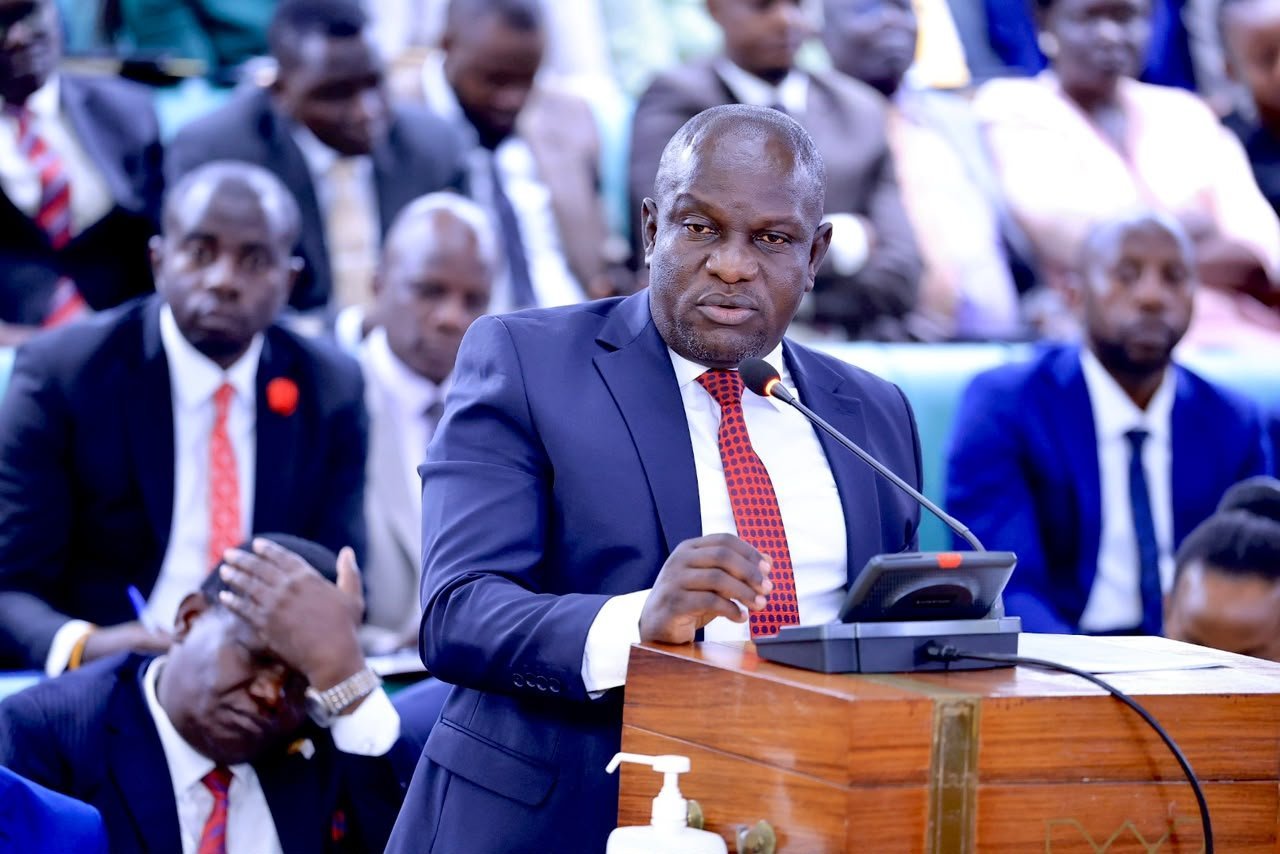 Jinja South Division East MP Paul Mwiru
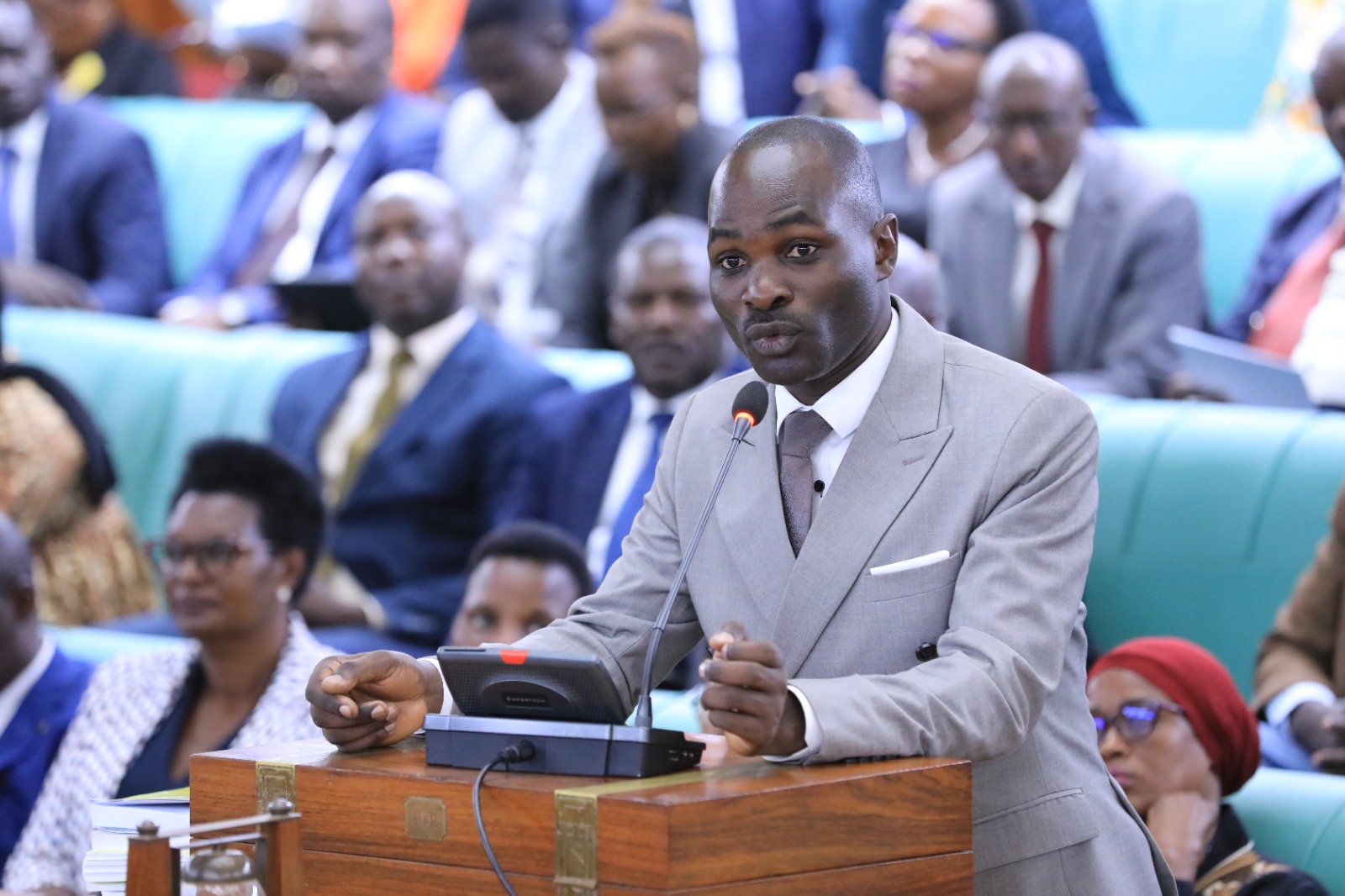 Fred Byamukama

Uganda Railways Corporation (URC) officials face possible investigations over the alleged loss of railway infrastructure worth Shs12.39 billion, a controversial Shs525 million out-of-court settlement and years of failure to protect railway land in the Busoga sub-region, according to a parliamentary committee report.
The report by Parliament’s Committee on Physical Infrastructure identifies institutional negligence, questionable land transactions and failures by public land administration offices as key factors behind the progressive occupation of railway reserves, with 715 alleged encroachment cases recorded along the Busoga Loop.
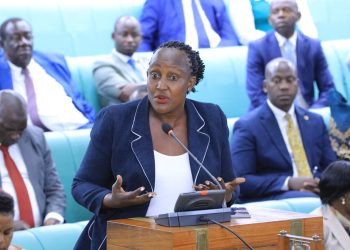
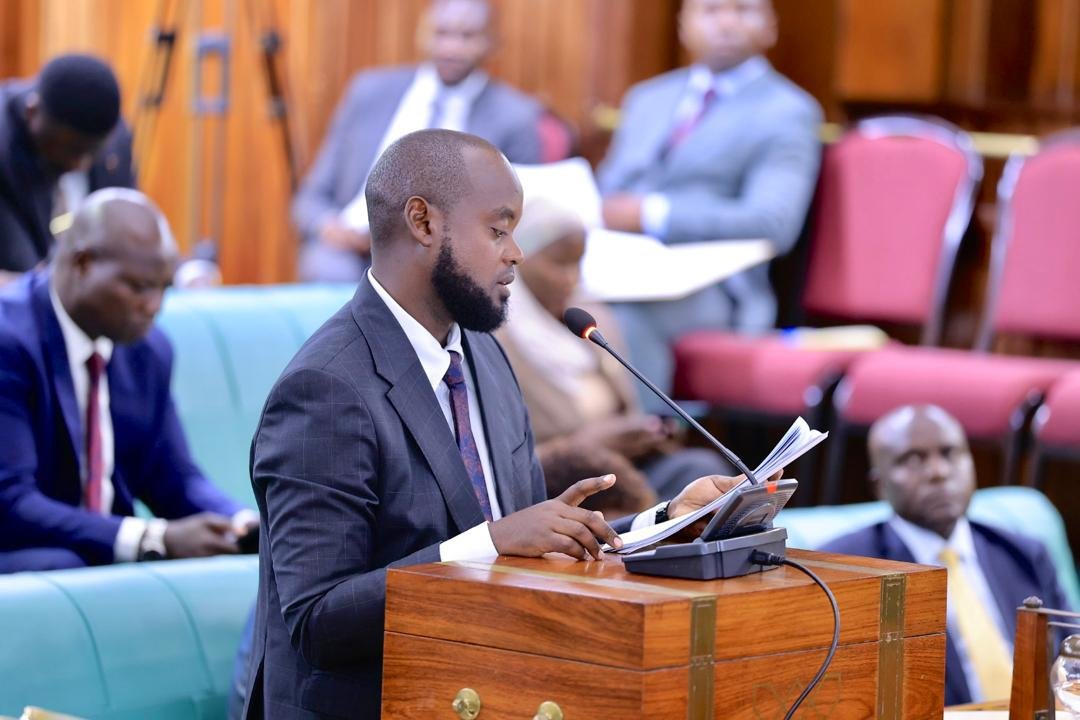
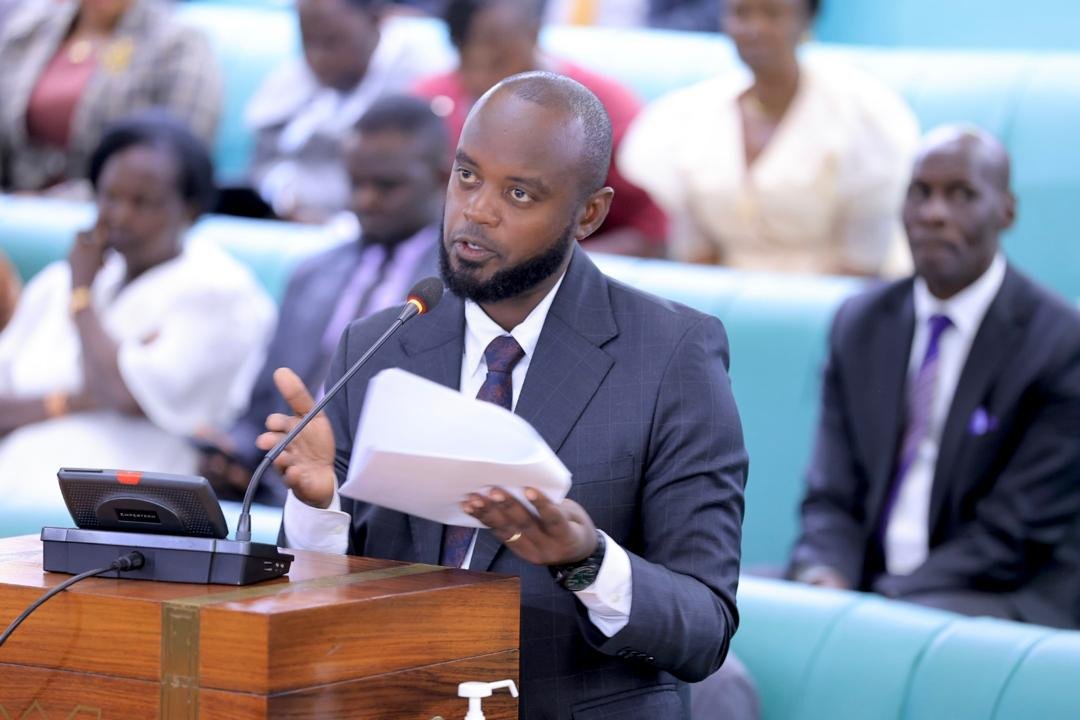
Presenting the findings during Tuesday’s plenary sitting on November 24, 2026, committee chairperson Mwine Mpaka (Mbarara South Division) told MPs that the encroachment had been facilitated by failures within URC and other government institutions responsible for protecting and administering public land.
The committee’s findings extend beyond individual land disputes, raising questions about the management of public assets, the integrity of land registration processes and the accountability of officials entrusted with safeguarding national infrastructure.
Among the most serious findings is the committee’s account of the 2012 vandalism and removal of railway rails and sleepers along more than 220 kilometres, allegedly without URC officials filing a police report to trigger investigations.
The committee faulted the corporation for failing to secure the railway corridor through fencing, boundary marking and regular patrols, allowing encroachment to continue as occupants progressively took over the land from 2012 onwards.
It has recommended that the Inspectorate of Government investigate officers whose conduct may have amounted to negligence in the management and protection of railway property.
The findings come at a time when government is pursuing railway rehabilitation as part of its wider transport and logistics strategy, intended to reduce the cost of freight transportation, improve regional connectivity and strengthen Uganda’s competitiveness as a land-linked economy.
The Busoga Loop, therefore, represents more than a dispute over land ownership. Its protection has implications for future railway investments, public expenditure and the country’s ability to preserve transport infrastructure for long-term economic development.
The committee raised particular concern over the handling of railway materials valued at Shs12.39 billion, which were allegedly the subject of an out-of-court settlement of only Shs525 million.
According to the report, the settlement involved URC’s then Managing Director and Corporation Secretary, whose roles the committee wants investigated by the Inspectorate of Government and police.
The committee also recommended investigations into a scrap dealer whom it identified as having supplied 270 metric tonnes of railway scrap to Tembo Steels (U) Ltd.
It attributed the valuation of the allegedly stolen railway materials to URC’s Civil Engineer and called for the circumstances surrounding their removal, valuation and subsequent settlement to be independently examined.
The difference between the reported valuation and settlement is approximately Shs11.865 billion, with the settlement representing only about 4.2 per cent of the stated value.
That discrepancy raises fundamental questions about the basis upon which the settlement was negotiated, whether the corporation adequately protected public financial interests and whether the officials involved obtained the necessary legal and institutional approvals.
The committee’s recommendations are not findings of criminal guilt. Any investigation must establish the ownership and quantity of the materials, the circumstances of their removal, the basis of valuation, the legal justification for the settlement and the respective responsibilities of the individuals involved.
Nevertheless, the reported transaction places renewed scrutiny on the governance of public corporations and the obligation of their managers to protect government assets against loss, misuse and unauthorised disposal.
The committee attributed the encroachment partly to failures by public land administration institutions, including the Jinja District Land Board, the Ministry of Lands’ Jinja Zonal Office, private surveyors and Jinja Municipal Council.
According to the report, land offices processed titles on railway reserve land without adequately checking existing URC titles, survey records and deed plans. The committee also faulted municipal authorities for approving building plans based on what it described as defective land titles.
Committee chairperson Mpaka said the allocation and registration of the disputed land disregarded the minimum 60-metre railway corridor, comprising 30 metres on either side of the railway centre line.
“The committee finds that the encroachment is the result of shared institutional failure,” Mpaka told Parliament.
The finding is significant because it shifts attention from individuals occupying railway land to the public institutions whose decisions allegedly enabled the occupation and subsequent development of the disputed properties.
The committee recommended investigations into officers of the Area Land Committees, Jinja District Land Board, Jinja Ministerial Zonal Office, the Commissioner of Lands and private surveyors implicated in the issuance of allegedly illegal titles.
It further proposed that the Inspectorate of Government investigate the officers involved within 60 days of Parliament adopting the report.
Parliament’s own account of the proceedings indicates that the committee also recommended cancellation of illegal certificates of title issued over URC property and restoration of the affected land to the corporation’s register.
The proposed cancellation is grounded in sections 88 and 89 of the Land Act and section 75 of the Registration of Titles Act, which the committee cited in its recommendations.
The legal implications are substantial. Under Article 241 of the Constitution, district land boards are mandated to allocate land that is not owned by any person or authority and facilitate the registration and transfer of interests in land.
This means that public land cannot lawfully be treated as unallocated merely because a railway corridor has become inactive or its infrastructure has deteriorated.
The committee’s findings therefore raise questions about whether land officials fulfilled their statutory responsibilities before processing the disputed titles.
The Inspectorate of Government Act, 2002, empowers the Inspectorate to investigate public officers over alleged neglect of duty, abuse of office and economic malpractices, including conduct committed while the officers were serving in public office.
The Anti-Corruption Act, 2009, also provides for criminal liability where a public official causes or allows the loss of public property through an act or omission, or knowingly leaves public property entrusted to their care unprotected. Section 9 provides for penalties upon conviction and recovery of the value of the lost property.
These provisions provide a basis for investigating the reported failures, although criminal liability would depend on evidence establishing the conduct and culpability of individual officers.
The committee’s investigation also identified cases in which public institutions and private developers acquired or occupied land that overlaps with URC’s railway reserves, raising concerns about due diligence in government land transactions.
One case involves the Uganda Investment Authority (UIA), which reportedly paid Shs1.46 billion to acquire land for the establishment of Jinja Industrial Park.
However, the committee found that 7.3 acres included in the transaction belonged to URC. Mpaka told Parliament that the seller should refund the money attributable to the railway land that was included in the sale.
“Of the total land that was bought by UIA, Uganda Investment Authority, 7.3 acres actually belong to URC and we want that gentleman to refund that money,” he said.
The finding raises questions about the land verification procedures undertaken before a government agency committed public funds to the acquisition.
It also places responsibility on the relevant land authorities and transaction advisers to explain how railway property was included in a sale without being identified and excluded during due diligence.
The committee further examined the position of Kiira Motors Corporation, whose factory buildings were found not to encroach on the railway reserve, although approximately 80 per cent of its compound, including the factory entrance, reportedly falls within the disputed corridor.
The distinction is important because the findings do not establish that the factory buildings themselves were constructed on railway land.
According to the committee’s presentation, UIA, which leased the industrial park land to Kiira Motors, had indicated willingness to relinquish the portion falling within the railway reserve to URC, recognising the importance of preserving railway access for the industrial park’s commercial operations.
The case illustrates the competing public interests involved: protecting railway infrastructure while safeguarding strategic industrial investments established using government resources.
A negotiated, legally sound boundary resolution could help prevent unnecessary disruption to industrial operations while restoring URC’s control over land required for future railway development.
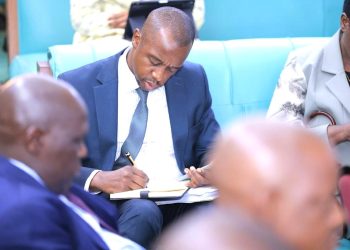
The committee also examined a disputed 49-year lease acquired by a company in which Jinja South Division East MP Paul Mwiru is a director. URC alleges that its Corporation Secretary’s signature was forged in the process of creating the title.
Presenting the findings, Mpaka said the committee had established that no development had taken place on the disputed property.
Mwiru told the committee that he had repeatedly requested a joint survey with URC to establish the actual boundaries but that the corporation had not committed the resources required for the exercise.
He said his own survey had identified an overlap of approximately 15 to 20 decimals, which he was prepared to surrender if the joint exercise confirmed the encroachment.
The legislator further indicated that if the joint survey established that the entire titled property fell within URC land, he would ask the corporation to consider granting his company a lease to enable it to proceed with development.
His position introduces an important distinction between allegations of fraudulent title acquisition and disputes over the precise boundaries of registered land.
The allegation of forgery requires independent forensic and documentary examination, including verification of the disputed signature, the original title records and the circumstances under which the lease was processed.
The proposed joint survey would also help establish the actual extent of the overlap and whether the disputed title covers railway property.
Neither the committee’s allegations nor Mwiru’s explanation should be treated as a final determination of ownership or criminal responsibility.
The case nevertheless reinforces the need for transparent land administration and impartial enforcement, irrespective of the political or commercial standing of those involved.
One of the most contentious issues emerging from the report is the apparent contradiction between government’s directive to remove encroachers and the absence of an immediate funded programme to rehabilitate the Busoga Loop.
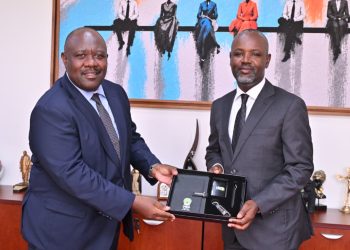
Mpaka told Parliament that the Minister of Works and Transport, Fred Byamukama, issued a directive on September 29, 2026, instructing URC to evict occupants and demolish illegal structures on railway reserves without further delay.
However, the committee established that rehabilitation of the Busoga Loop was not among the funded interventions in URC’s five-year strategic plan.
Mpaka described the corporation’s development plans for the corridor as extending over 10 to 20 years.
“There is no immediate plan by government to utilise the land on the Busoga Loop,” he said.
The revelation raises questions about the timing, sequencing and justification of mass evictions, particularly where government has not yet secured the financing necessary to restore railway operations.
The committee’s findings indicate that the Busoga Loop has been non-operational since the late 1990s, creating conditions in which parts of the former railway corridor became vulnerable to vandalism, informal land allocations and permanent developments.
In October 2026, Byamukama told Parliament that URC’s railway network covered approximately 20,807 acres, of which 9,823 acres constituted reserve land.
He said the 60-metre railway corridor standard provides for 30 metres on either side of the railway centre line and that encroachment was affecting implementation of the metre-gauge railway rehabilitation programme.
The committee’s findings therefore raise a critical policy question: how should government protect land reserved for future infrastructure while ensuring that enforcement measures are lawful, proportionate and sensitive to the circumstances of affected occupants?
The challenge is particularly important where people have established homes or businesses on land that has remained visibly unused for decades.
However, prolonged non-use does not, by itself, establish a transfer of ownership or extinguish a public corporation’s lawful property rights.
Equally, a government eviction directive should not be interpreted as authority to disregard constitutional protections, statutory procedures or the rights of persons who may have legally recognisable interests in the affected properties.
To address the competing interests, the committee considered requests by some occupants for renewable temporary leases over portions of the Busoga Loop.
However, Mpaka said the committee preferred tenancy arrangements, arguing that granting registrable long-term leasehold interests could complicate URC’s ability to recover the land when railway services resume.
The committee observed that a registered lease would confer a proprietary interest protected under Article 26 of the Constitution, potentially requiring the corporation to wait for the lease to expire, obtain the lessee’s consent or pursue lawful compulsory acquisition before recovering the land.
A tenancy, by contrast, would preserve URC’s ownership, potentially generate revenue and provide occupants with temporary security while allowing the corporation to recover the property through appropriate notice when required for railway operations.
This recommendation presents a possible middle ground between unrestricted occupation and immediate displacement, although its implementation would require clear contractual terms, transparent eligibility criteria and safeguards against creating new competing claims.
The committee also recommended that URC undertake nationwide public sensitisation campaigns to communicate the boundaries of railway reserves and commence titling its remaining untitled land, estimated at 1,983 acres.
Such measures would help reduce future disputes by ensuring that railway boundaries are properly surveyed, registered and understood by neighbouring communities and local authorities.
The dispute brings several provisions of Uganda’s Constitution and land laws into focus. Article 26 of the Constitution protects the right to own property, while requiring compulsory acquisition for public purposes to follow the law, including prompt payment of fair and adequate compensation before possession or acquisition.
Article 241 establishes district land boards and their responsibility to allocate land that is not already owned by any person or authority. The provision is particularly relevant to the committee’s allegations that land administration officials allocated and processed titles over existing railway property.
The Land Act, Cap. 236, provides an administrative mechanism under section 88 for the Registrar of Titles to correct or cancel titles that were illegally or wrongfully obtained, issued in error or contain incorrect boundaries.
However, the law requires at least 21 days’ notice to affected parties, an opportunity to be heard and a reasoned decision. An aggrieved party may appeal within 60 days. This means that the committee’s recommendation for cancellation must be implemented through the prescribed procedures rather than blanket administrative action.
The Registration of Titles Act also provides for cancellation of titles in circumstances established under the law, including through court orders under section 161.
The committee’s reported reference to section 75 of the Registration of Titles Act should be checked against the applicable consolidated statute before publication. Section 75 of the version available on ULII concerns words of inheritance and succession, not the general cancellation of disputed titles. Section 161 addresses cancellation by the High Court following recovery of land through legal proceedings.
On accountability, the Inspectorate of Government Act, 2002, gives the IGG authority to investigate public officers over alleged abuse of office, neglect of official duties and economic malpractice.
Similarly, section 9 of the Anti-Corruption Act, 2009, addresses the loss of public property arising from acts or omissions by public officials and provides for criminal sanctions where the relevant offences are established.
These provisions provide an important legal foundation for investigating the reported loss of railway materials, questionable settlements and alleged failures to protect public land.
The Busoga Loop controversy is part of a wider challenge facing Uganda’s railway network. In an October 2026 ministerial statement, the Works Ministry disclosed that approximately 28,487 encroachment cases had been identified across railway corridors, station land and isolated railway properties nationwide.
The Busoga Loop accounted for 715 of those cases, while the Namanve-Malaba corridor had approximately 9,989 and the Kampala-Mukono corridor 4,354.
These figures illustrate that railway land encroachment is not an isolated dispute involving a handful of occupants but a wider institutional and infrastructure management challenge. The problem also has implications for the country’s transport policy.
Uganda’s railway rehabilitation agenda is intended to strengthen freight transportation, reduce dependence on road haulage, lower logistics costs and improve connectivity with regional markets.
Allowing railway reserves to be progressively occupied, subdivided or converted into private developments could significantly increase the eventual cost of restoring railway services.
Government may ultimately have to spend public resources resolving ownership disputes, compensating eligible claimants, relocating infrastructure and recovering land that should have remained protected.
The committee’s recommendations therefore demand action on two fronts: accountability for historical failures and a credible long-term strategy for protecting and rehabilitating the railway network.
The challenge for government is to ensure that the recovery of public land does not become an exercise in indiscriminate eviction, but a lawful and transparent process supported by verified boundaries, individual assessments and realistic infrastructure plans-Parliament Watch Ug. Give us feedback on this story through our email: kamwokyatimes@gmail.com