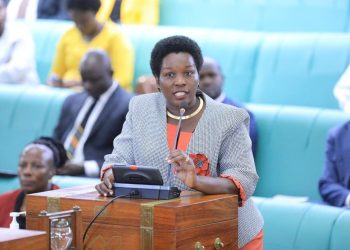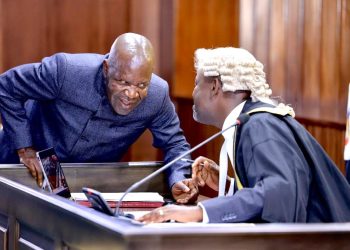


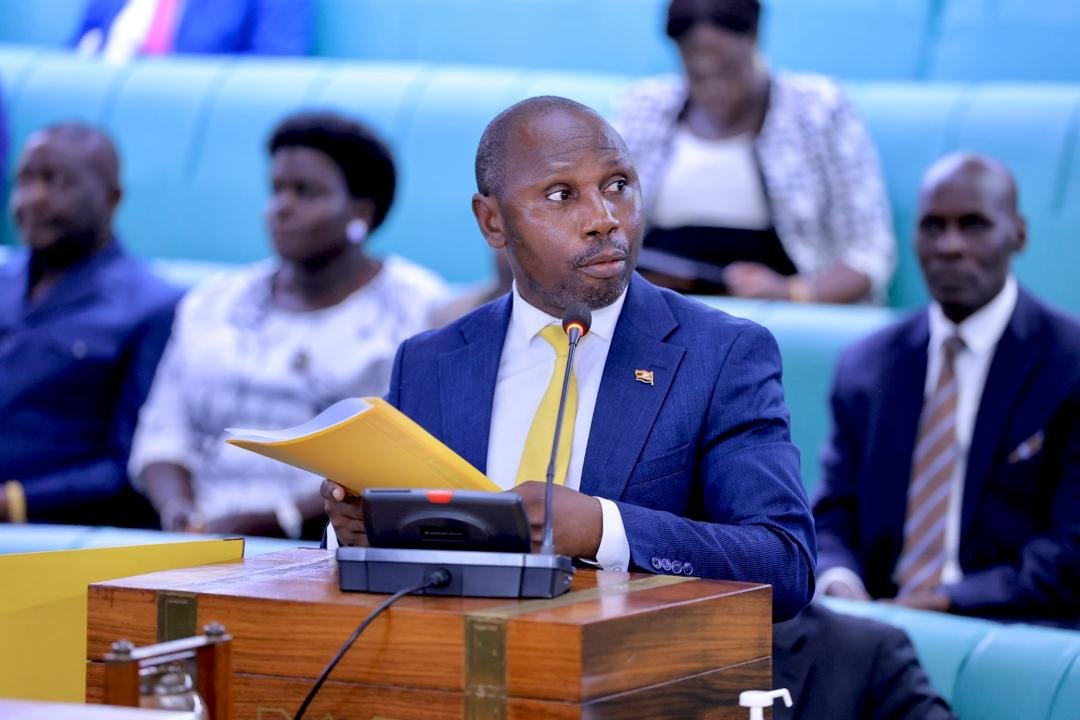
 Dr Julius Rude Monday, Chairperson of Parliament’s Committee on Health.
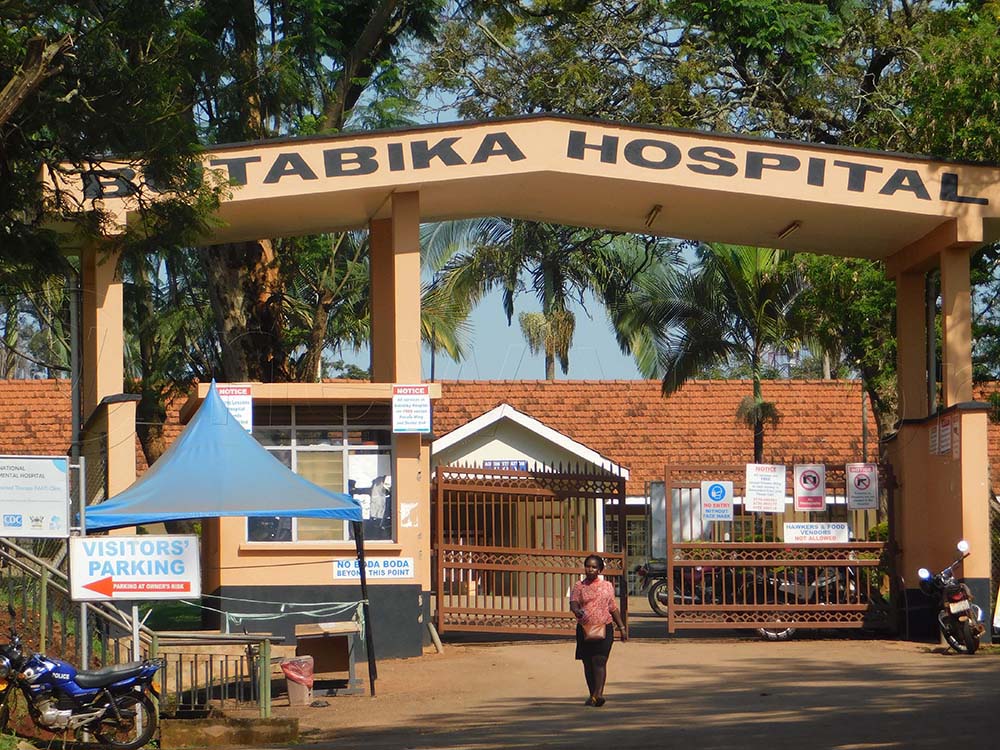 Butabika National Referral Mental Hospital
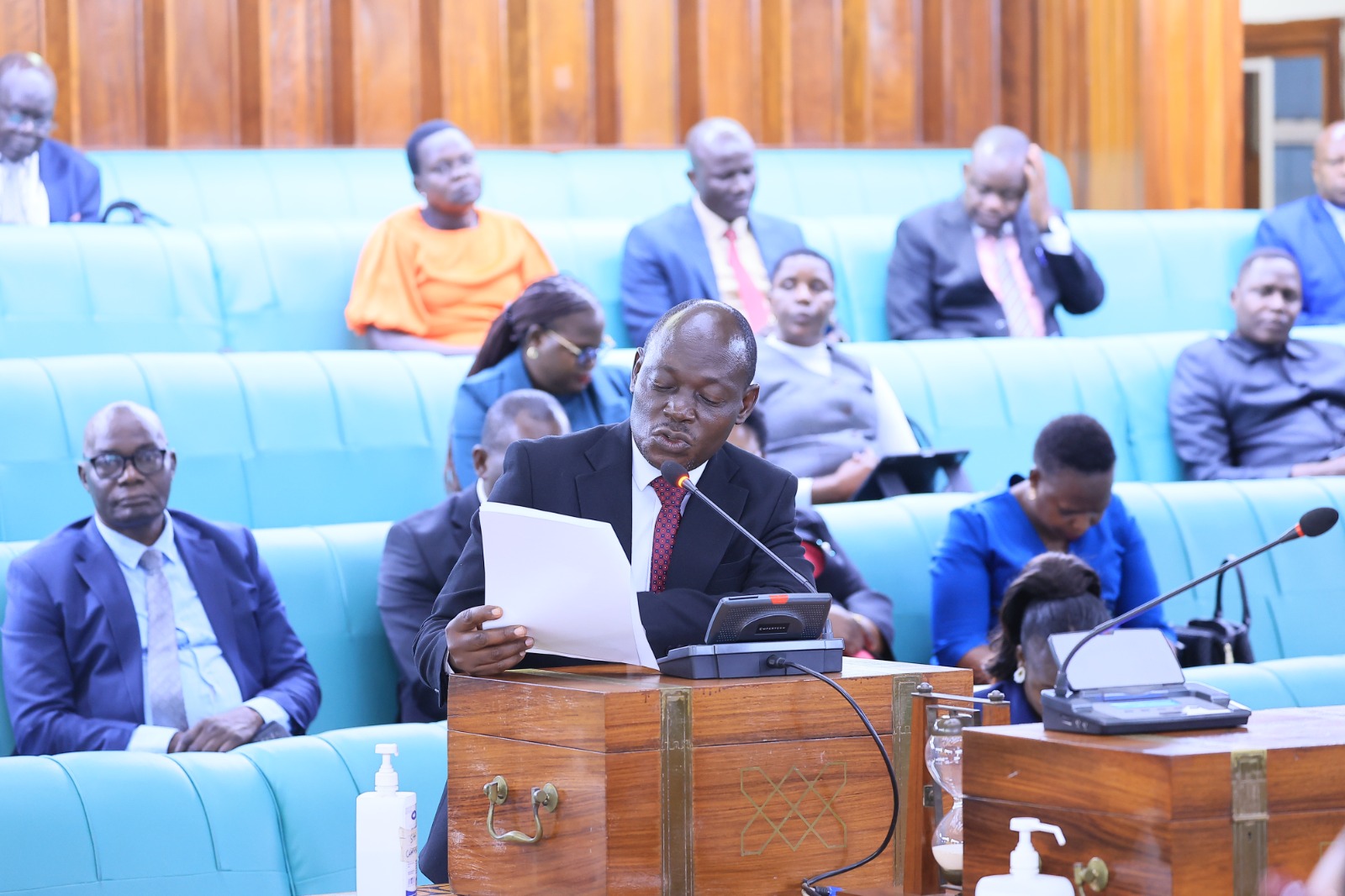 Nyendo-Mukungwe MP Gyaviira Lubowa

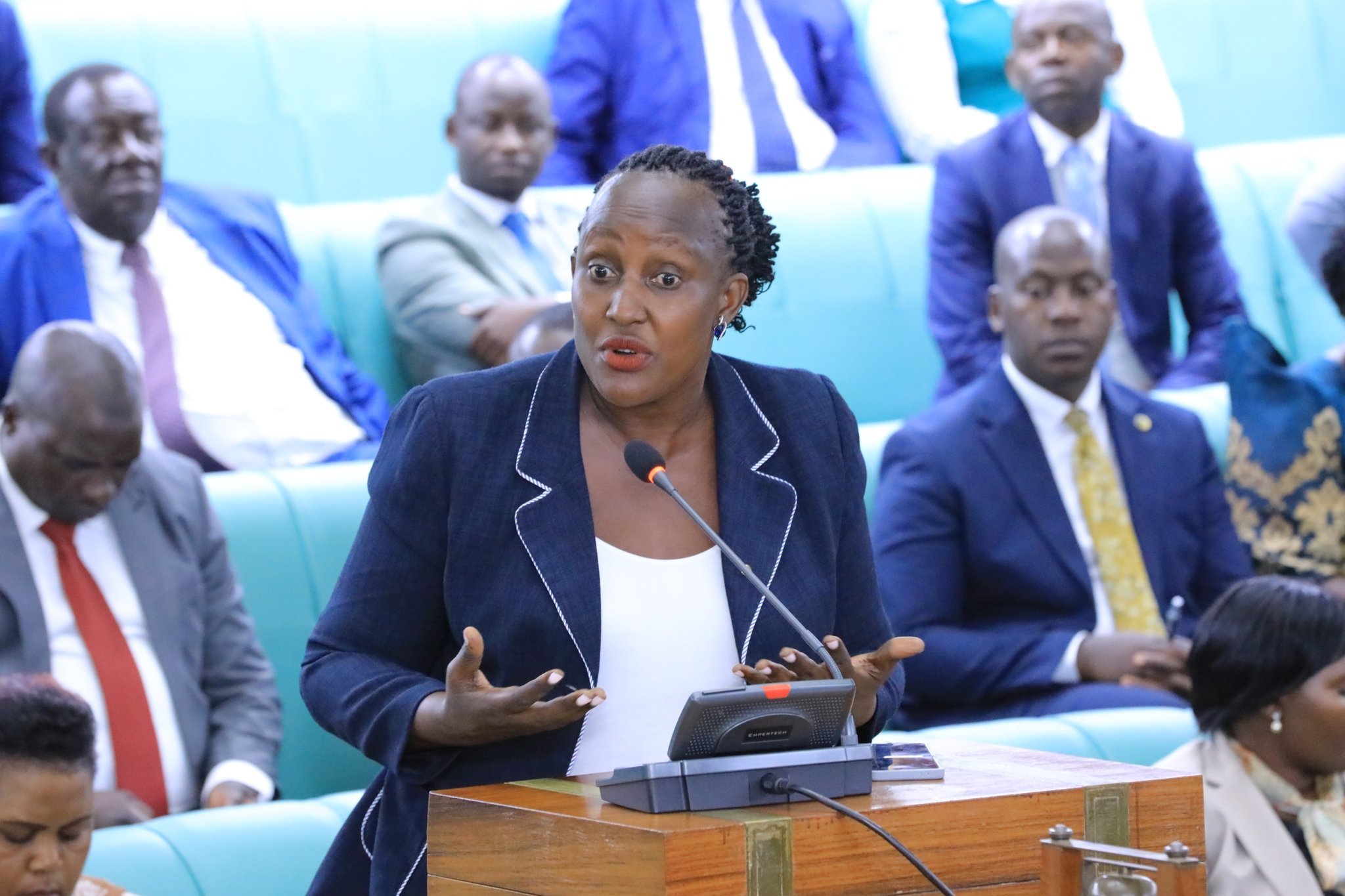
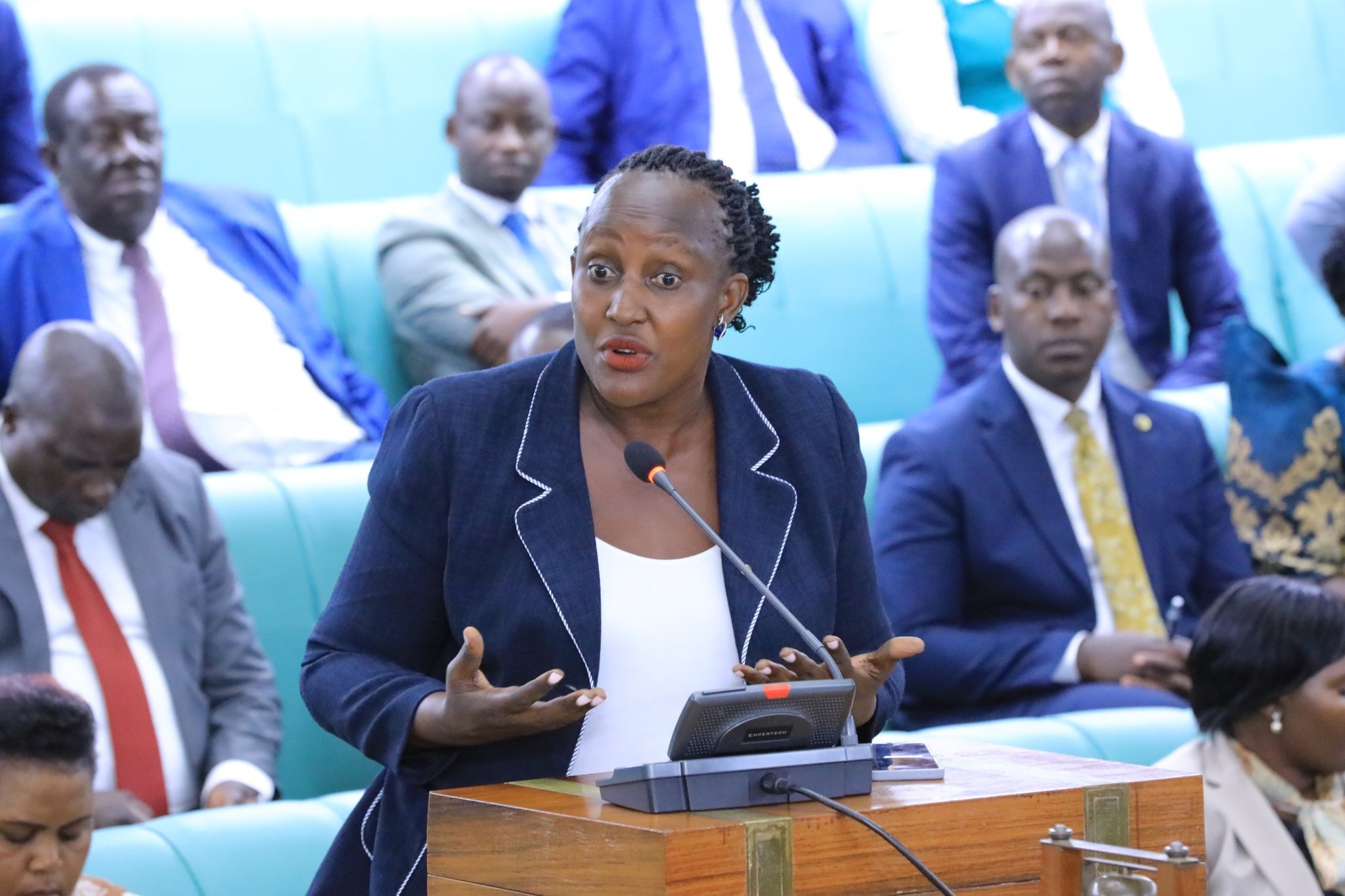 Wakiso District Woman MP Betty Ethel Naluyima
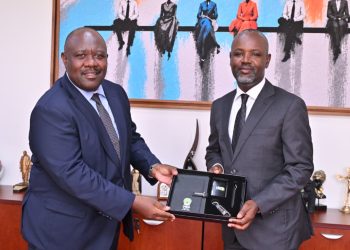
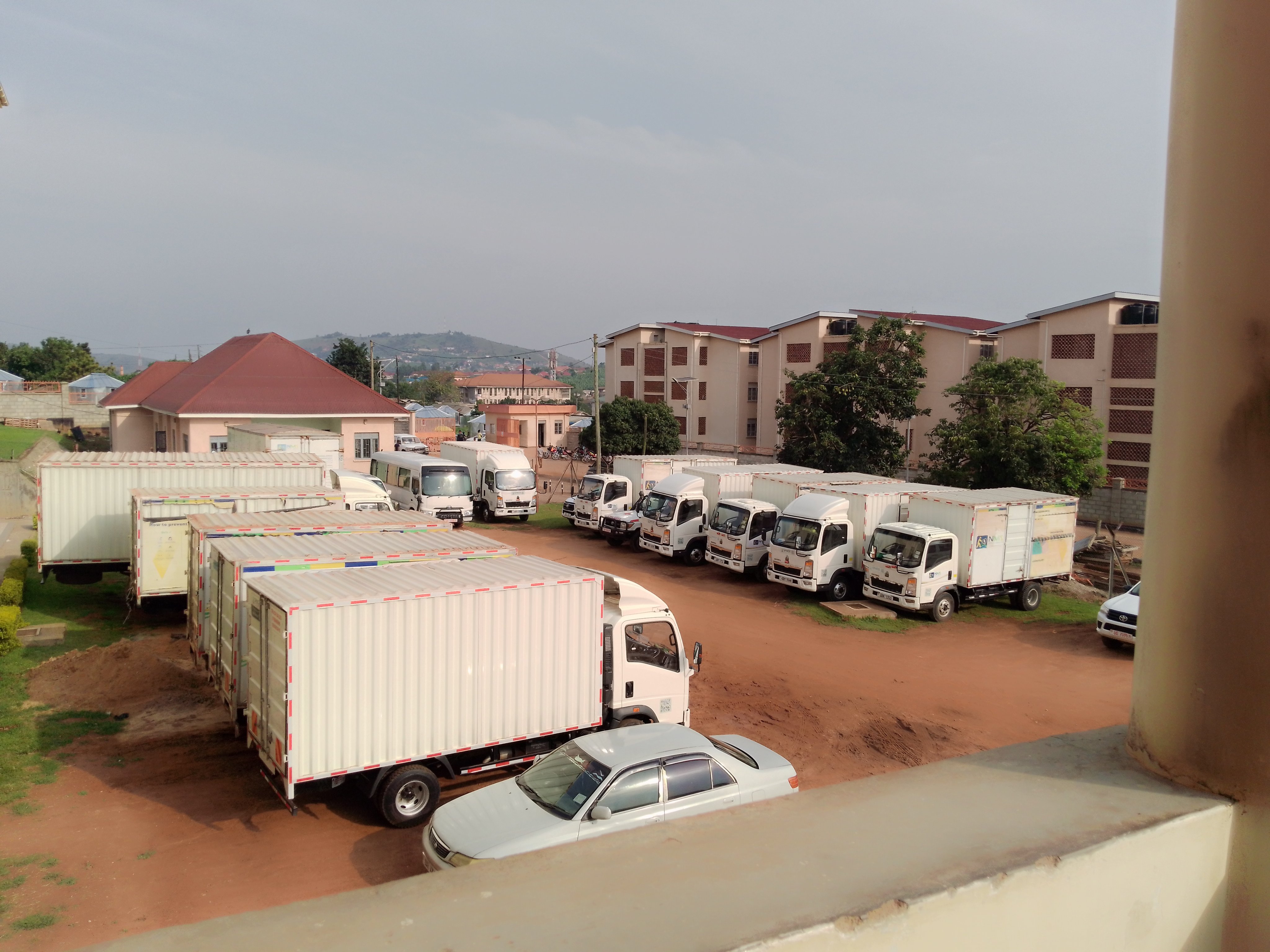 National Medical Stores (NMS)
Uganda’s health system is grappling with persistent shortages of essential medicines, severe staffing gaps, overcrowded referral hospitals, inadequate medical equipment and rising out-of-pocket costs, prompting Members of Parliament to demand urgent government intervention and stronger accountability across the sector.
The concerns emerged during a plenary debate on Tuesday, November 24, 2026, as MPs considered four oversight reports by Parliament’s Committee on Health covering Kampala Capital City Authority (KCCA), National Medical Stores (NMS), national referral hospitals and other health institutions in the Kampala Metropolitan Area, and regional referral hospitals and health facilities in eastern Uganda.
The reports, presented by committee chairperson Dr Julius Rude Monday (Bukonzo County East), paint a troubling picture of health facilities struggling to deliver services amid inadequate financing, shortages of specialised personnel, weak supply-chain controls and infrastructure that has not kept pace with growing patient numbers.
The debate also exposed concerns extending beyond the availability of medical services to the affordability of treatment, the treatment of vulnerable patients, alleged misconduct by health workers and the accountability of institutions entrusted with public resources.
A central concern was the apparent disconnect between government investment in the health sector and the quality, accessibility and reliability of services received by ordinary Ugandans.
MPs argued that increasing allocations alone would not resolve the crisis unless government strengthened medicine tracking, improved procurement and distribution, recruited sufficient health workers, maintained medical equipment and enforced accountability for negligence, theft and abuse.
The committee reported that National Medical Stores requires an additional Shs181 billion to meet the country’s estimated demand for essential medicines and health supplies.
Presenting the findings, Dr Monday said the Auditor General had identified a funding gap of approximately Shs181 billion in the 2024/2025 financial year, representing about 12 per cent of the estimated requirement.
The funding shortfall, coupled with delayed releases, has affected the timely procurement and distribution of medicines, particularly specialised products whose manufacturers only begin production after receiving confirmed orders.
The committee warned that delays in financing translate into delays in procurement, leaving health facilities exposed to stock-outs and patients struggling to obtain prescribed medicines.
It consequently urged government to close the funding gap and release resources early enough to enable NMS to place orders within the required procurement timelines.
However, the financing challenge is compounded by weaknesses in the distribution chain and allegations of medicine theft.
Dr Monday told Parliament that more than 100 fictitious or non-existent health facilities had been removed from the NMS medicine delivery list following the introduction of direct deliveries to health facilities.
The committee also reported receiving complaints about the theft of government medical supplies and recommended that all medicines and other supplies distributed by NMS carry the inscription: “Government of Uganda, Not for Sale.”
Kasese District MP Sarah Itungu called for closer monitoring of medicine deliveries and stronger accountability mechanisms to ensure that individuals involved in stealing public medicines are identified and prosecuted.
Her concerns underscore the importance of ensuring that medicines procured using taxpayers’ money reach their intended beneficiaries rather than being diverted into private commercial channels.
The challenge raises questions about the effectiveness of existing inventory controls, distribution records, facility-level supervision and the enforcement of sanctions against those responsible for diversion.
Under the National Medical Stores Act, NMS has a statutory responsibility to procure, store and distribute essential medicines and medical supplies to public health facilities. Effective implementation of this mandate requires adequate financing, transparent procurement and verifiable last-mile delivery systems.
The committee’s recommendations therefore point to the need for a more accountable supply chain in which every delivery can be traced from procurement to the health facility and ultimately to the patient.
The committee’s findings on human resources revealed another structural weakness: public hospitals are operating with significantly fewer health workers than their approved staffing establishments require.
Soroti Regional Referral Hospital had filled only 23 per cent of its approved positions, while Mbale Regional Referral Hospital had a staffing level of 29 per cent, according to Dr Monday.
The committee, which inspected 17 health facilities in August and September, urged Parliament to appreciate the implications of these shortages on service delivery, particularly in facilities handling large numbers of patients from neighbouring districts.
The figures are consistent with broader government concerns about health workforce capacity. The Ministry of Public Service’s 2024 State of Human Resource report recorded an overall health-sector staffing rate of 31 per cent, with regional referral hospitals operating at just 23 per cent of their approved establishments.
The shortages are particularly concerning given the specialist demands placed on referral hospitals, which are expected to provide advanced medical care to patients referred from lower-level facilities.
At Kiruddu National Referral Hospital, the committee found that one kidney specialist was serving approximately 250 dialysis patients.
Although the hospital had established Uganda’s largest public haemodialysis centre, with 32 functioning machines, the shortage of specialist personnel threatens the ability to sustain services and meet the growing demand for treatment of kidney disease.
The findings illustrate a wider challenge in which investment in infrastructure and medical equipment is not matched by adequate recruitment and retention of skilled health professionals.
In eastern Uganda, the staffing situation was similarly concerning, with the committee questioning the adequacy of administrative responses to absenteeism.
Dr Monday told MPs that some health workers who absented themselves from duty had their salaries withheld, only for the payments to be subsequently restored.
The committee considered this an inadequate disciplinary response, raising questions about supervision, payroll controls and the enforcement of public-service regulations.
The challenge requires government to address both the shortage of personnel and weaknesses in human-resource management, including attendance monitoring, performance management and accountability for absenteeism.
The committee also highlighted severe congestion at Butabika National Referral Mental Hospital, where more than 1,200 patients were reportedly being accommodated daily against an official capacity of 550 beds.
Dr Monday told Parliament that the facility’s limited space was undermining its ability to provide appropriate care.
“Space is inadequate. They need more space,” he said.
The Ministry of Health’s reported average bed occupancy rate of 219 per cent in the 2025/2026 financial year further illustrates the pressure on the mental health facility.
An occupancy rate exceeding 100 per cent indicates that the hospital is accommodating more patients than its designated bed capacity, potentially placing additional pressure on clinical staff, sanitation, patient privacy and the quality of treatment.
The situation raises concerns about the adequacy of Uganda’s mental health infrastructure and the need to strengthen community-based mental health services to reduce unnecessary institutional admissions.
At Mulago National Referral Hospital, the committee identified a substantial funding gap for specialised medicines and medical supplies.
The hospital estimated that it required Shs72.3 billion but received only Shs18.2 billion, leaving a shortfall of Shs54.1 billion.
This means the hospital received approximately one-quarter of the resources it said were necessary to meet its specialised medicines and medical supplies requirements.
To address the shortfall, the committee recommended Shs204 billion for 10 priority interventions at Mulago, including medicines, surgical services, medical equipment and an oxygen production plant.
The proposed investment reflects the scale of the hospital’s needs, but its implementation will depend on government prioritisation, budget availability and transparent execution.
The consequences of infrastructure and equipment failures were also raised by Nyendo-Mukungwe MP Gyaviira Lubowa, who appealed to the Ministry of Health to restore dialysis services at Masaka Regional Referral Hospital.
Lubowa told Parliament that the hospital’s dialysis machine had broken down, forcing patients to travel to Mbarara Regional Referral Hospital or Kampala to access life-sustaining treatment.
“It has broken down and we have to transfer our patients either to Mbarara Regional Referral Hospital or to Kampala, which is very costly and our people are dying,” he said.
He urged the ministry to repair equipment that could be restored and prioritise medical equipment in the next national budget.
“Let the ministry come to our rescue and we have these services restored,” Lubowa said.
The situation highlights the vulnerability of patients requiring regular specialised treatment, particularly those who cannot afford transport, accommodation and other costs associated with seeking care outside their home districts.
For patients with chronic kidney disease, interruptions in access to dialysis can have life-threatening consequences. Restoring the service is therefore not simply an infrastructure concern but a matter of continuity of care.
The committee’s findings at Kiruddu and Lubowa’s concerns about Masaka also raise questions about the geographical distribution of specialised services and the capacity of regional referral hospitals to reduce pressure on national facilities.
The financial burden on patients emerged as another major issue during the debate, with MPs arguing that inadequate financial protection continues to expose households to high healthcare costs.
Wakiso District Woman MP Betty Ethel Naluyima, the Shadow Minister for Gender, cited figures presented during the launch of the Equal Opportunities Commission’s 13th annual report on November 24, indicating that a 15-day hospital stay in government referral facilities could cost approximately Shs900,000.
She argued that the figures reinforced the need for government to prioritise a national health insurance arrangement.
“What was key and which is also visible is the matter of health insurance that we urgently need as a country,” Naluyima said.
The concerns are particularly relevant to older persons, people with disabilities, low-income households and patients living with chronic conditions who require frequent medical attention.
Ofwono Opondo also called on government to prioritise medical insurance for older persons and establish dedicated spaces within health facilities to make it easier for them to access medical services.
The proposal highlights the need for a health system that responds to the specific needs of vulnerable groups rather than treating access to healthcare as a uniform experience.
Uganda’s constitutional framework recognises access to health services as a social and economic objective. National Objective XIV calls on the State to ensure that citizens have opportunities and access to health services, while National Objective XX requires the State to take practical measures to provide basic medical services to the population.
However, the financing of healthcare remains a major obstacle to translating these commitments into affordable services.
The Ministry of Health’s Annual Health Sub-Programme Performance Report for FY2025/2026 identifies financial risk protection as a priority under the Fourth National Development Plan, which seeks to expand universal health coverage and access to affordable, people-centred healthcare.
The report also indicates that the proposed National Health Insurance Scheme was still at the draft stage before the Cabinet Secretariat, underscoring the gap between policy ambitions and implementation.
A functioning insurance framework would need to address the affordability of premiums, the participation of informal-sector workers, the inclusion of older persons and the financial sustainability of healthcare providers.
For now, the debate has renewed pressure on government to move beyond policy discussions and establish a credible mechanism for protecting households against catastrophic medical expenditure.
In Kampala, the committee identified significant weaknesses in the availability of essential medical commodities and access to maternal healthcare.
Dr Monday told Parliament that availability of a basket of 41 essential medical commodities in KCCA health facilities stood at 52.2 per cent, significantly below the national target of 95 per cent.
The committee also found that only 36 per cent of pregnant women in Kampala attended their first antenatal care visit during the first trimester.
Although health facilities across the city recorded 85,987 deliveries, the low early antenatal attendance raises concerns about the timely identification and management of pregnancy-related complications.
Early antenatal care enables health workers to identify maternal and foetal risks, initiate preventive interventions and connect expectant mothers to appropriate treatment and referral services.
The committee’s findings therefore point to the need for stronger community outreach, improved access to maternal health services and more reliable supplies in public facilities.
There were, however, some improvements. Dr Monday reported that maternity services at Kiswa Health Centre III had resumed following the committee’s intervention, while construction of a 60-bed maternity ward was under way.
The committee also noted improvements in Kampala’s cleanliness following national cleaning days and KCCA’s adoption of the Ministry of Health’s electronic medical records system.
However, the improvements need to be assessed against the scale of demand and the city’s continuing health infrastructure challenges.
Rubaga Division North MP Abubaker Kawalya called for the upgrading of Kawaala Health Centre IV, arguing that its catchment area had expanded considerably beyond its original coverage.
He said the facility, initially established to serve four parishes in Rubaga, now receives patients from Wakiso, Nansana, Busiro East and neighbouring communities.
The growing patient population, he argued, requires corresponding investment in infrastructure, personnel and medical supplies.
His concerns highlight the pressure that urban expansion and population growth place on existing public health facilities, particularly those serving communities at the boundary between Kampala and neighbouring districts.
Beyond clinical services, the committee raised concerns about Kampala’s waste management capacity, warning that inadequate collection and disposal threaten public health and environmental sanitation.
Dr Monday told Parliament that Kampala generates approximately 2,180 tonnes of solid waste daily, but only about 30 per cent is collected and transported.
Without substantial investment, the city’s daily waste generation could increase to 2,647 tonnes by 2030, according to the committee’s projections.
The committee recommended that government support KCCA to acquire 26 additional waste trucks and skip loaders, which could increase the proportion of waste collected and transported from 30 per cent to 65 per cent.
It also proposed the installation of 10,000 colour-coded street bins and the establishment of a waste recovery facility capable of processing 500 tonnes daily. The proposed interventions are estimated to require Shs154 billion.
However, Dr Monday urged government and KCCA to develop a phased financing and implementation framework, with measurable annual targets to ensure that the proposed investment translates into improved sanitation.
The concerns carry significant public health implications, particularly in densely populated settlements where inadequate waste collection contributes to blocked drainage channels, flooding, environmental contamination and the spread of disease.
The Public Health Act, as amended, provides the legal framework for protecting public health, including the prevention and control of conditions that threaten community sanitation.
The committee’s recommendations therefore require more than the procurement of additional vehicles. They call for an integrated waste management strategy encompassing collection, transportation, sorting, recycling, disposal and enforcement of sanitation standards.
The committee also raised concerns over reports that bereaved families were being charged Shs150,000 to collect the bodies of relatives from Mulago National Referral Hospital.
Dr Monday described the alleged practice as unacceptable and called for its immediate cessation.
“We think this is illegal. This must stop,” he told Parliament. He also raised complaints that some families were being charged for post-mortem examinations.
The allegations are particularly sensitive because families are often financially and emotionally vulnerable following the death of a relative.
Mulago officials had previously denied in August that families were being required to pay to collect bodies. However, Dr Monday said the committee had independently checked the complaints and established that some families were making payments.
The discrepancy calls for a transparent explanation from hospital management, including clarification of the legal basis, if any, for the reported charges and whether they represent official fees or unauthorised collections.
Parliament should require the hospital to disclose its mortuary and post-mortem charging policies, provide an account of the reported payments and establish an accessible complaints mechanism for affected families.
The committee also reported allegations that a senior hospital administrator had harassed young women working in health facilities.
Deputy Speaker Thomas Tayebwa questioned the committee’s response after Dr Monday disclosed the matter.
“And what did you do about that, Honourable Chair?” Tayebwa asked.
Dr Monday said the committee had referred the matter to police, the Chief Administrative Officer and the Minister of Health, adding that investigations were ongoing when the committee concluded its visit.
Tayebwa directed the committee chairperson to follow up on the matter.
“We shall do that,” Dr Monday responded.
The allegations require impartial investigation and appropriate action where wrongdoing is established. Protecting the complainants, ensuring due process and preventing retaliation against those who report abuse should be central to the response.
The debate also exposed concerns about the executive’s participation in parliamentary oversight.
Solomon Silwany (Bukooli County Central) questioned the absence of health ministers when the committee presented its findings on KCCA health services.
“Would we be proceeding well without the minister?” he asked.
Deputy Speaker Tayebwa said ministers were expected to attend Parliament under the established attendance arrangements, even when their ministries did not have specific business on the Order Paper.
He explained that the committee chairperson was presenting the report and highlighting its principal findings and recommendations under Rule 35(2), with a substantive debate to be scheduled later.
Acting Government Chief Whip David Bahati said Cabinet members had other engagements that morning but that he was mobilising ministers to attend.
The exchange raises a broader question about the responsiveness of government institutions to parliamentary oversight, particularly when reports expose service delivery failures that require immediate executive intervention.
Parliament’s oversight role should not end with the presentation or adoption of committee reports. The effectiveness of its work ultimately depends on whether government implements recommendations, allocates the necessary resources and reports back on corrective action.
The Public Finance Management Act, 2015, establishes principles and procedures for transparent budgeting, expenditure management, internal controls and accountability for public resources. These obligations are particularly relevant where parliamentary findings identify funding gaps, weak procurement practices and possible misuse of public supplies.
The committee’s findings should therefore translate into specific commitments by the Ministry of Health, Ministry of Finance, NMS, KCCA and hospital management, supported by clear implementation timelines.
The concerns raised in Parliament reflect challenges that extend beyond individual hospitals and point to weaknesses in health financing, workforce planning, procurement, infrastructure and institutional accountability.
Uganda’s Fourth National Development Plan (NDP IV), covering FY2025/26–2029/30, identifies universal health coverage, improved access to essential medicines, stronger human-resource capacity and better maternal and child health outcomes as key priorities.
Among its health-sector targets are increasing the availability of essential medicines and health supplies in public facilities to more than 90 per cent and raising the density of skilled health workers from approximately 27 to 37 per 10,000 people by 2030.
However, the parliamentary findings suggest that achieving these targets will require more than expanding policy commitments.
The government must address persistent financing gaps, ensure that approved budgets translate into actual releases, improve procurement planning and strengthen the capacity of health institutions to manage available resources.
The Auditor General’s 2025 report provides additional context on weaknesses in medicines and health supplies management. It identified expired medicines worth Shs2.648 billion in 44 health facilities, alongside weaknesses in storage and the return of expired supplies. It also reported blood shortages in 67 facilities and prolonged blood stock-outs in 34 facilities.
These findings reinforce the need for stronger internal controls, better inventory management and more effective supervision across the health supply chain.
Ultimately, the quality of Uganda’s health system should not be measured only by the number of hospitals constructed, medical equipment purchased or medicines procured, but by whether patients can obtain timely, affordable and appropriate treatment when they need it.
The four oversight reports now place the government under pressure to demonstrate how it intends to address the shortcomings identified by Parliament.
For patients travelling hundreds of kilometres for dialysis, families struggling to afford hospitalisation, older persons unable to navigate overcrowded facilities and communities facing medicine shortages, the test of parliamentary oversight will be whether these findings produce tangible improvements-Parliament Watch Ug. Give us feedback on this story through our email: kamwokyatimes@gmail.com