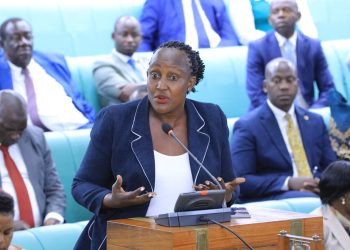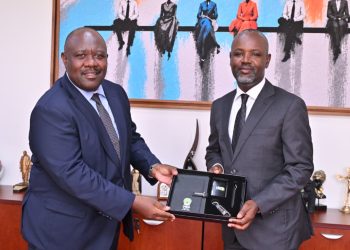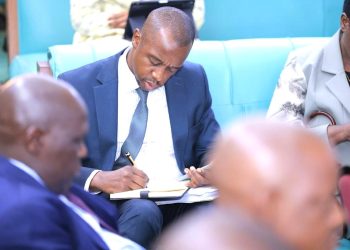


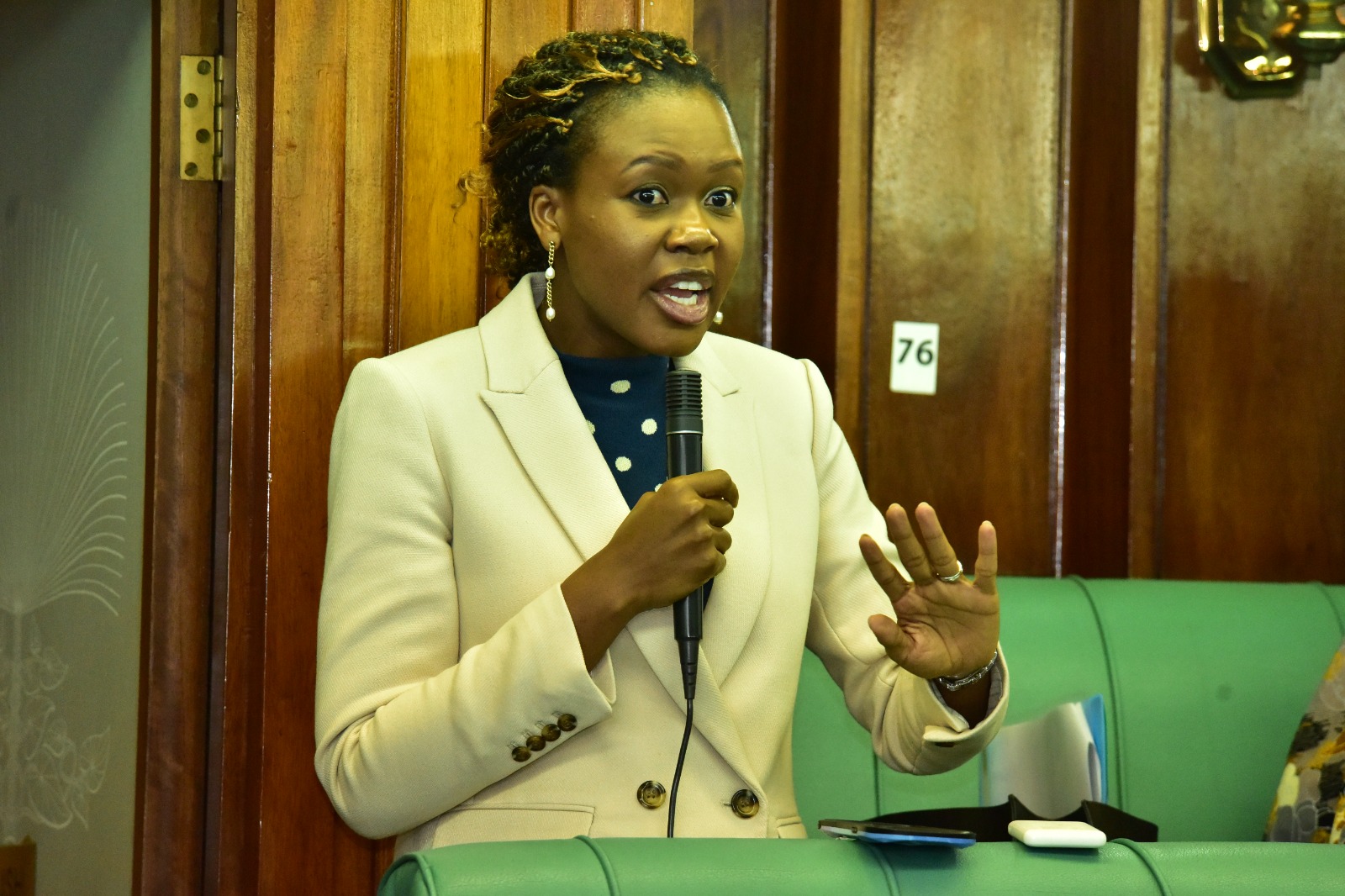
 MP Anna Adeke.
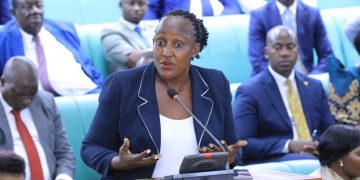
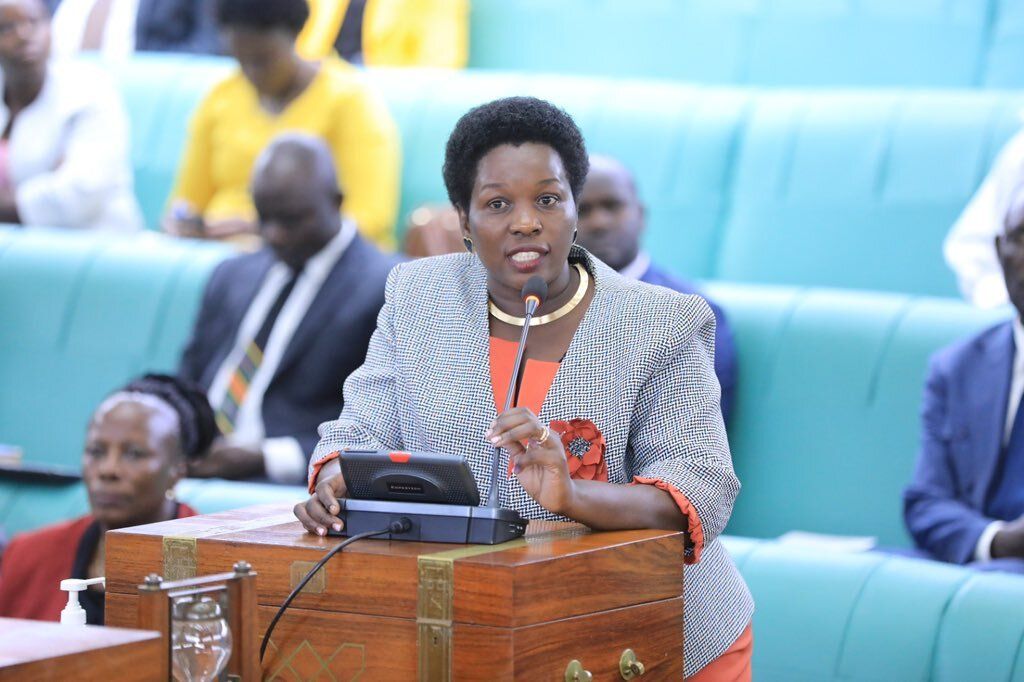 UWOPA Chairperson Auma Linda Agnes.
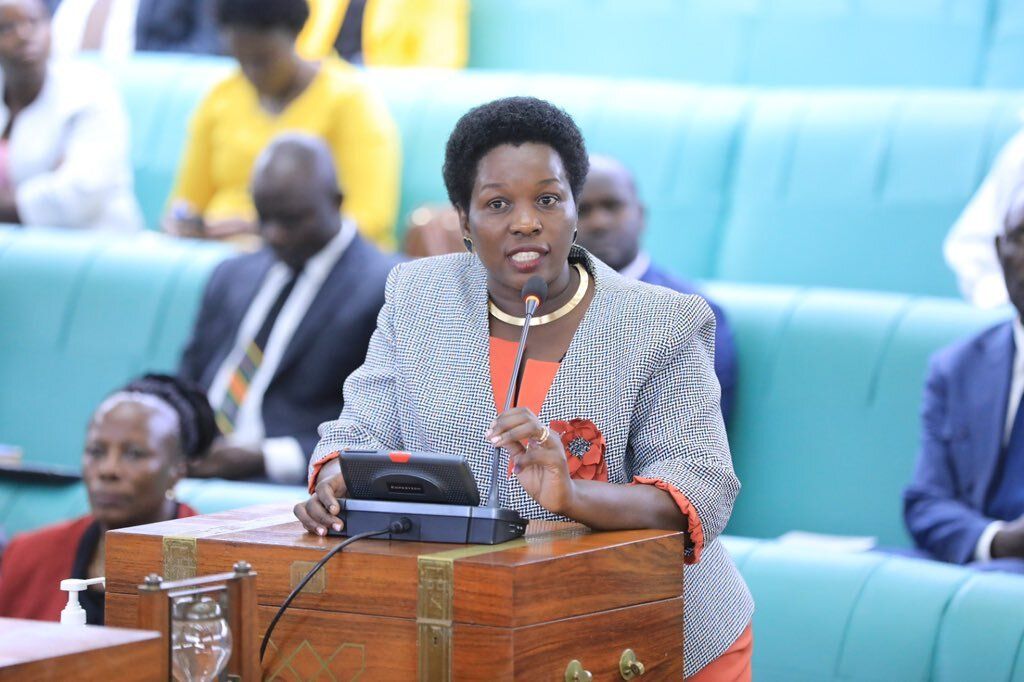
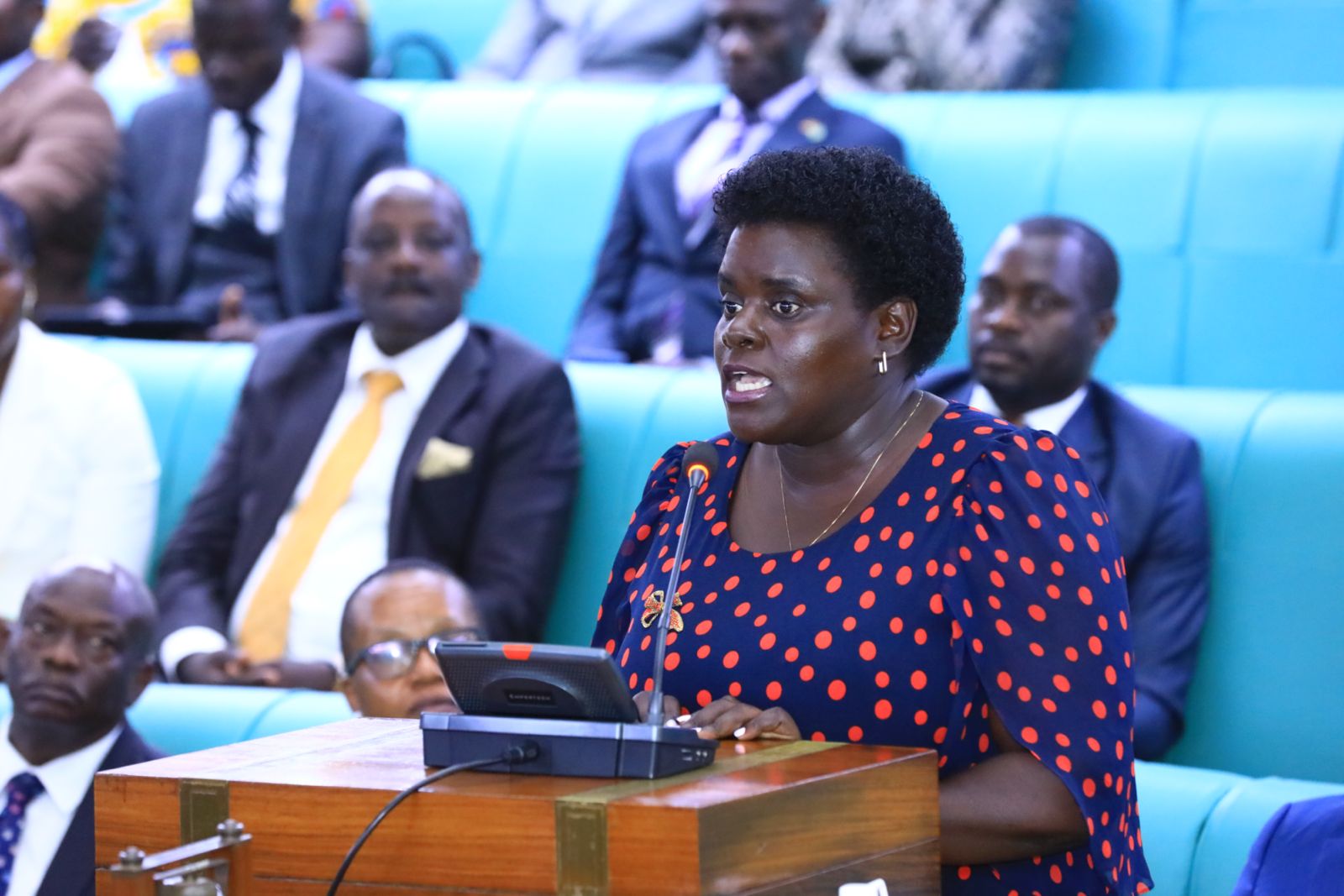 Bernadette Kodili Chandia.

Women leaders and rights activists have challenged the government to translate Uganda’s legal protections for women and girls into effective action, demanding stronger enforcement, increased financing for survivor support and reforms to address persistent barriers to justice.
They say domestic violence, rape, defilement, sexual exploitation and emerging forms of technology-facilitated abuse continue to undermine women’s safety and participation in public life, despite the existence of several laws and national policy commitments intended to protect them.
The concerns were raised on Monday during the launch of the 16 Days of Activism Against Gender-Based Violence at Parliament, where the Domestic Violence Act Coalition called for a coordinated national response involving government, Parliament, the judiciary, law enforcement agencies, local governments and civil society organisations.
The campaign, observed annually from November 25 to December 10, is intended to mobilise action against violence against women and girls. This year’s global campaign theme is Unite to End Violence Against Women and Girls: Ensure Justice, Protect Survivors, End Impunity.
At the centre of the coalition’s demands is what activists describe as a widening implementation gap between Uganda’s legal commitments and the experiences of women and girls seeking protection and justice.
Lira District Woman MP and Uganda Women’s Parliamentary Association (UWOPA) Chairperson Auma Linda Agnes said the country must also confront the growing threat of technology-facilitated gender-based violence, including cyberstalking, online harassment, impersonation, threats and the non-consensual distribution of intimate images.
She warned that digital abuse was increasingly being used to intimidate women, damage their reputations and discourage their participation in public and civic affairs.
Auma called on government agencies, telecommunications companies, technology platforms, educational institutions and civil society organisations to strengthen digital safety mechanisms, improve reporting channels and ensure that perpetrators are held accountable.
Her concerns highlight an increasingly important dimension of gender-based violence: the extension of abuse into digital spaces, where anonymity, rapid information sharing and the circulation of harmful content can intensify harassment and expose survivors to further victimisation.
Uganda’s legal framework includes the Computer Misuse Act, 2011, as amended, alongside constitutional guarantees of equality and women’s rights. However, effective responses to online abuse also require accessible reporting mechanisms, appropriate digital investigations and protection of survivors’ privacy.
The coalition urged government and Parliament to prioritise implementation of the Domestic Violence Act, 2010, which provides for protection and relief for victims, punishment of perpetrators, protection orders and compensation.
The Act, which commenced in April 2011, provides an established legal basis for addressing violence within domestic relationships. Its existence, however, does not automatically guarantee that survivors can obtain timely protection or that perpetrators will be prosecuted.
Other relevant legislation includes the Constitution, particularly Article 21 on equality and freedom from discrimination, Article 33 on the rights of women and Article 34 on the rights of children.
The Prevention of Trafficking in Persons Act, 2009, the Prohibition of Female Genital Mutilation Act, 2010, the Children Act and the Penal Code Act also provide protections against different forms of exploitation and abuse.
The coalition nevertheless wants Parliament and government to address legislative gaps through reforms to marriage, sexual offences, legal aid and witness protection laws.
Among the proposed measures are the Marriage Bill, 2024, the Sexual Offences Bill, 2024, a National Legal Aid Bill and a Witness Protection Bill.
However, the legislative history illustrates the challenges facing some of these reforms.
The Marriage Bill, 2024, sponsored by Tororo Municipality MP Sarah Opendi, was introduced in October 2024 and remains an important proposed reform concerning marriage rights, obligations, property rights, separation and dissolution of marriage.
The Sexual Offences Bill, 2024, sponsored by Soroti City Woman MP Anna Adeke, was reintroduced in October 2024 following the failure of the previous Parliament to complete its consideration after the President returned an earlier version in 2021. Its subsequent withdrawal from Parliament in March 2026 further complicated efforts to consolidate and update the law on sexual offences.
The National Legal Aid Bill, 2022, which sought to establish a clearer framework for providing legal assistance to indigent and vulnerable people, was also withdrawn in March 2026 following discussions about government taking over the process.
These developments raise questions about the pace of legislative reform and the government’s commitment to ensuring that vulnerable citizens can access legal representation.
For survivors who cannot afford lawyers, transport, medical examinations and other costs associated with pursuing justice, the absence of a comprehensive and adequately funded legal aid framework can become a significant obstacle.
Moyo District Woman MP and UWOPA General Secretary Bernadette Kodili Chandia said gender-based violence should not be treated exclusively as a social or human rights concern because its economic consequences extend across households, communities and the national economy.
She cited estimates attributed to the Forum for Women in Democracy (FOWODE), which place the annual economic cost of gender-based violence in Uganda at approximately Shs31.3 trillion.
Chandia also referred to an Economic Policy Research Centre (EPRC) analysis estimating that inaction against gender-based violence costs Uganda approximately Shs3.76 trillion annually, equivalent to 2.31 per cent of the country’s 2024 Gross Domestic Product.
According to EPRC, the economic burden includes healthcare expenses, lost income, reduced productivity, legal and justice sector expenditure and the longer-term consequences of interrupted education and limited economic participation.
The research also indicates that households shoulder approximately 92 per cent of the financial burden, illustrating how violence can push already vulnerable families deeper into economic insecurity.
The figures strengthen the argument that preventing violence is not merely an expenditure on social protection but an investment in human capital, productivity and national development.
For women whose livelihoods are disrupted by abuse, the consequences can include loss of employment, reduced business activity, financial dependence and diminished opportunities to participate in economic decision-making.
Chandia called for gender-based violence prevention and response to be integrated into national development planning and public financing rather than being treated as an occasional campaign activity.
The coalition’s concerns are reinforced by findings from the Uganda Demographic and Health Survey (UDHS) and Uganda Police Force crime statistics.
Joan Amito, a programmes and advocacy officer at FIDA Uganda, cited the 2022 UDHS findings, which show that 43.7 per cent of women aged 15–49 had experienced physical violence since the age of 15.
The survey also found that 19.8 per cent of women had experienced sexual violence during their lifetime.
Among ever-married women, 58.3 per cent had experienced at least one form of spousal violence, physical, sexual or emotional, during their lifetime.
The figures are contained in the Uganda Bureau of Statistics’ Gender-Based Violence Thematic Report, published in October 2025 using data from the 2022 UDHS.
The findings demonstrate that violence is not confined to isolated incidents or particular communities but remains a widespread challenge affecting women’s health, security and dignity.
Police records provide another indication of the scale of the problem, although reported cases capture only incidents brought to the attention of law enforcement.
Hope Nankunda of Raising Teenagers Uganda cited the Uganda Police Force Annual Crime Report 2025, which recorded 12,361 domestic violence cases, 10,492 defilement cases, 1,675 rape cases and 447 human trafficking cases.
She said 10,328 of the 10,493 defilement victims reflected in the figures were female children, underscoring the disproportionate exposure of girls to sexual violence.
The difference between the 10,492 defilement cases and 10,493 victims should be retained as a reporting distinction rather than treated as interchangeable figures.
More concerning, according to Nankunda, is the gap between reported cases and those that progress through the justice system.
She reported that only 1,761 domestic violence cases proceeded to court, resulting in 614 convictions.
In defilement cases, 4,886 were taken to court, leading to 713 convictions, while 719 rape cases reached court and resulted in 22 convictions.
The figures raise questions about the effectiveness of investigations, evidence collection, prosecution, witness protection and the management of sexual and domestic violence cases.
However, the distinction between cases reported, cases taken to court and convictions is important. Cases may remain under investigation or pending trial, while others may be discontinued, dismissed or result in acquittals. The figures therefore should not automatically be interpreted as a complete measure of prosecutorial failure.
Nevertheless, the low number of convictions relative to reported cases points to a justice system that needs stronger investigative capacity, better coordination and more effective survivor support.
The barriers begin long before a case reaches court.
Survivors may be discouraged from reporting abuse by stigma, fear of retaliation, economic dependence on perpetrators, family pressure, social expectations and limited confidence in the police and judicial institutions.
For children, the situation can be particularly difficult where alleged perpetrators are relatives, guardians, teachers or other people in positions of authority.
Tororo District Woman MP and UWOPA Vice Chairperson Angela Akoth called for increased government and development partner financing for gender-based violence prevention and response programmes.
She identified shelters, legal aid, specialised investigations, psychosocial support and accessible healthcare as essential services requiring sustained investment.
She also called for stronger referral systems linking police, healthcare providers, local governments, courts and civil society organisations to ensure that survivors receive timely, confidential and appropriate assistance.
The demand reflects a persistent weakness in the response to gender-based violence: the availability of legal protection does not necessarily mean that survivors have access to the practical services required to escape abuse and pursue justice.
A survivor may need emergency accommodation, medical treatment, counselling, legal representation and protection from intimidation. Without coordinated support, pursuing a case can become an additional source of trauma.
The coalition also called for greater investment in community-based interventions to challenge harmful gender norms, promote positive masculinities and involve men and boys in preventing violence.
Josephine Kamisya, Executive Director of the Centre for Domestic Violence Prevention, said eliminating violence against women and girls required more than passing laws.
She emphasised the need for political commitment, institutional coordination and adequate financing, noting that violence was rooted in unequal power relations, discrimination, harmful social norms and structural inequalities.
Kamisya said this year’s regional theme, Renewing Our Power: Collective Action to Prevent Violence Against Women, was intended to reinforce the importance of sustained collaboration between government, civil society, communities and other stakeholders.
The coalition also called for targeted interventions for women and girls living with disabilities, adolescent girls, rural women, elderly women and refugees, who often face additional barriers in accessing justice and support services.
Ian Kikomeko, representing Touch the Heart Uganda and the National Coalition on Ending Child Marriage, urged government to close the gap between legal protections and the actual experiences of women and girls through stronger enforcement, institutional accountability and survivor-centred services.
The 16 Days of Activism campaign provides an opportunity to renew national commitments, but activists argue that its impact should be measured by improvements in the lives of survivors rather than the number of public awareness events organised.
The coalition wants government, Parliament, religious and cultural leaders, development partners and communities to move beyond declarations towards measurable action.
That includes dedicated budget allocations for prevention and response services, adequately staffed specialised investigation units, accessible legal aid, functioning shelters, timely prosecution and stronger protection for witnesses and survivors.
It also requires better data collection and public reporting to establish how many cases are reported, investigated, prosecuted and concluded, including the reasons cases fail to progress through the justice system.
The government must also strengthen accountability among institutions responsible for implementing existing laws, particularly at district and community levels, where survivors often encounter their first point of contact with public authorities.
Ultimately, the challenge is not simply whether Uganda has enough laws to protect women and girls. It is whether those laws can deliver protection when abuse occurs, justice when crimes are committed and meaningful support when survivors seek help. The coalition’s central message was unequivocal: “Justice must be accessible. Survivors must be protected.”-Parliament Watch Ug. Give us feedback on this story through our email: kamwokyatimes@gmail.com