

Uganda, a cotton-producing country, continues to import textiles, concerning legislators on the Committee on Tourism, Trade and Industry, who proposed strategic interventions to revitalise the cotton sector.
The Commissioner for Industry at the Ministry of Trade, Industry and Cooperatives, Denis Ainebyona, revealed that Uganda’s cotton subsector continues to experience a significant decline in production.
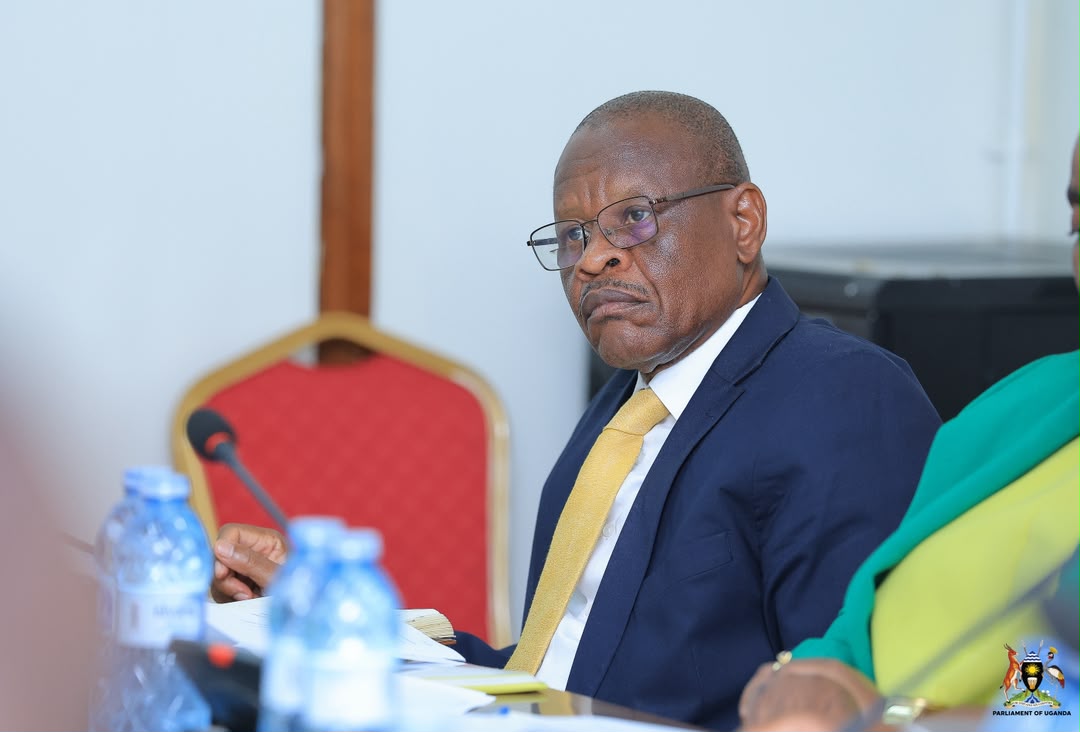
This was during a committee interaction with officials from the Ministry of Trade, Industry and Cooperatives on Wednesday, 11 November 2026.

According to Ainebyona, statistics from the Ministry of Agriculture, Animal Industry and Fisheries show that cotton production increased from 50,708 bales in financial year 2020/2021 to a peak of 115,975 bales in financial year 2022/2023 before drastically declining to 64,338 bales in 2023/2024 and further to 54,883 bales in 2024/2025.
“The fluctuations present a significant challenge to the development of a sustainable textile manufacturing industry. The decline also highlights the need for interventions aimed at increasing cotton production and productivity to support existing processing facilities and proposed investments in additional spinning capacity,” Ainebyona said.
Uganda has historically been one of the biggest producers of high-quality cotton, contributing greatly to agricultural export earnings and providing raw materials for domestic textile manufacturing.
However, Ainebyona said that the sector continues to face challenges, including declining cotton production, inadequate raw material supply, underutilization of processing facilities, high production costs and increasing competition from imported textiles and apparel.
“While Uganda continues to export cotton lint, the country remains heavily dependent on imported textiles and apparel, reflecting the limited domestic value addition within the sector,” he said.
Data from the Uganda Revenue Authority (URA) show that textile and apparel imports increased from about Shs715 billion in financial year 2020/2021 to Shs779 billion in financial year 2024/2025, with second-hand clothing accounting for over 55.3 per cent of total imports.
Committee Vice Chairperson, Hon. Patrick Aeku (NRM, Soroti County), said all government efforts to revitalise the cotton industry will amount to nothing if cooperatives are not revived.
“The ministry needs to come out with a study on the revival of cooperatives if the sector is to be revamped, but also the reliance on cotton out-growers will not increase production. You need a well-equipped nucleus farm to produce cotton,” Aeku said.
The ministry is assessing the feasibility of establishing a 10,000-hectare nucleus farm to support cotton production by reducing reliance on out-growers.
The ministry also proposes the implementation of a ban on second-hand clothing in a phased approach, starting with undergarments, to protect local textile manufacturing industries.
Committee Chairperson, Hon. Boniface Okot, urged the ministry to first conduct a study on the impact of the ban on second-hand clothing on jobs, saying many Ugandans earn a living from it.
State Minister for Trade, Gen. Wilson Mbadi called for coordinated interventions to address the declining cotton production, underscoring the immense opportunity that the cotton and textile value chain presents in accelerating industrialisation, enhancing domestic value addition, and employment, among others-Ug. Parliament. Give us feedback on this story through our email: kamwokyatimes@gmail.com