

The recent auction of government securities by the Central Bank has re-attracted offshore investors, who had previously withdrawn from the country’s market and slightly improved the value of the Shilling, the Governor Dr. Michael Atingi-Ego has revealed.
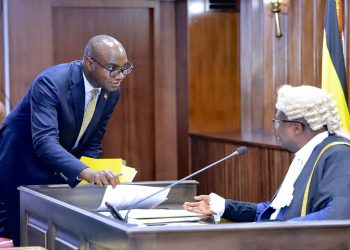
The revelation follows a query by the Chairperson of the Committee on Commissions, Statutory Authorities and State Enterprises, Hon. Muwada Nkunyingi, on the state of the economy and rising dollar rate.
“One of the challenges we are seeing in this country is with the economy. The dollar rate has gone high and things have become expensive. It is the Bank of Uganda that can assist us to understand whether there is hope of managing the inflation and the commodity prices among others,” Nkunyingi said.

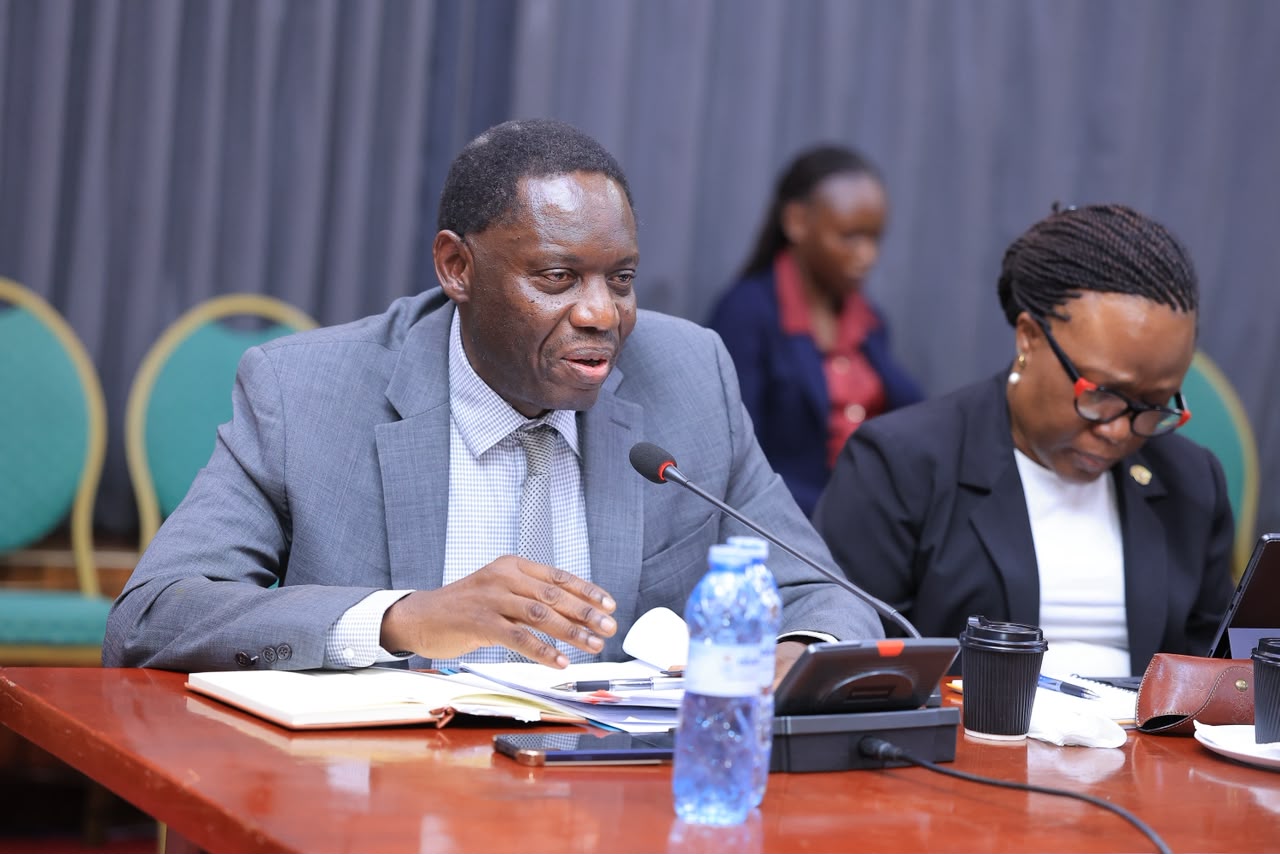
Appearing before the committee on COSASE on Tuesday, 10 November 2026, Atingi-Ego said the recent decision by the U.S. Federal Reserve to increase its Federal Reserve policy rate also impacted on the decline of the shilling against the dollar, where the return in terms of holding U.S. dollar assets compared to Uganda, became more favorable for investors.
“We saw a number of non-residents who are holding Uganda government securities beginning to sell off these securities to buy dollars in the market. This added depreciation pressures on the currency, where we saw it move up to nearly Shs4,500,” Atingi-Ego said.
The Central Bank Governor told MPs that a move was then taken to raise cash reserve ratio (CRR) from 11 per cent to 13.5 per cent, the minimum percentage of total customer deposits and liabilities that commercial banks must hold as liquid reserves within the Central Bank.
“We were able to pull in close to Shs1.3 trillion. We also made it expensive for commercial banks to access the liquidity facilities from the central bank by raising the central bank rate on 14 October 2026, from 9.75 per cent to the current 12 per cent by 225 basis points,” he added.
He said these actions positively impacted on the government securities by increasing their value, which in turn brought the dollar down to Shs4,050 per dollar, up from almost Shs4,500.
“We had an auction the other week where government had offered Shs1.4 trillion, and because of the upward shift in the yield curve, we saw a return of the offshore players into our market to buy government securities. They bought in excess of Shs200 billion and as a result, we saw some dollar inflow in the market,” Atingi-Ego told MPs.
He, however, noted that these efforts by the Central Bank are short term interventions, and are not sustainable, and urged legislators to press government towards implementation of the country’s tenfold growth strategy, in a bid to promote aspects like value addition which he said will enhance the economy.
“We need to increase the export of goods and services. The key pillars of the tenfold growth strategy include agro-industrialization, tourism development, mineral development, science, technology and innovation, all of which support value addition on our raw materials,” Atingi-Ego noted.
Hon. Julius Nakiyi (NRM, Budadiri County East) reiterated the proposal by the Governor on value addition of raw materials, particularly agricultural produce like coffee.
“I read a report by the Uganda Coffee Association which said that if we do not increase coffee production but rather maintain the same amount being produced today coupled with value addition, Uganda’s income can multiply by three times from the current Shs2.4 billion to about Shs6 billion,” Nakiyi said. He also urged government to increase sector funding to coffee development, to enable its exponential growth-Ug. Parliament. Give us feedback on this story through our email: kamwokyatimes@gmail.com