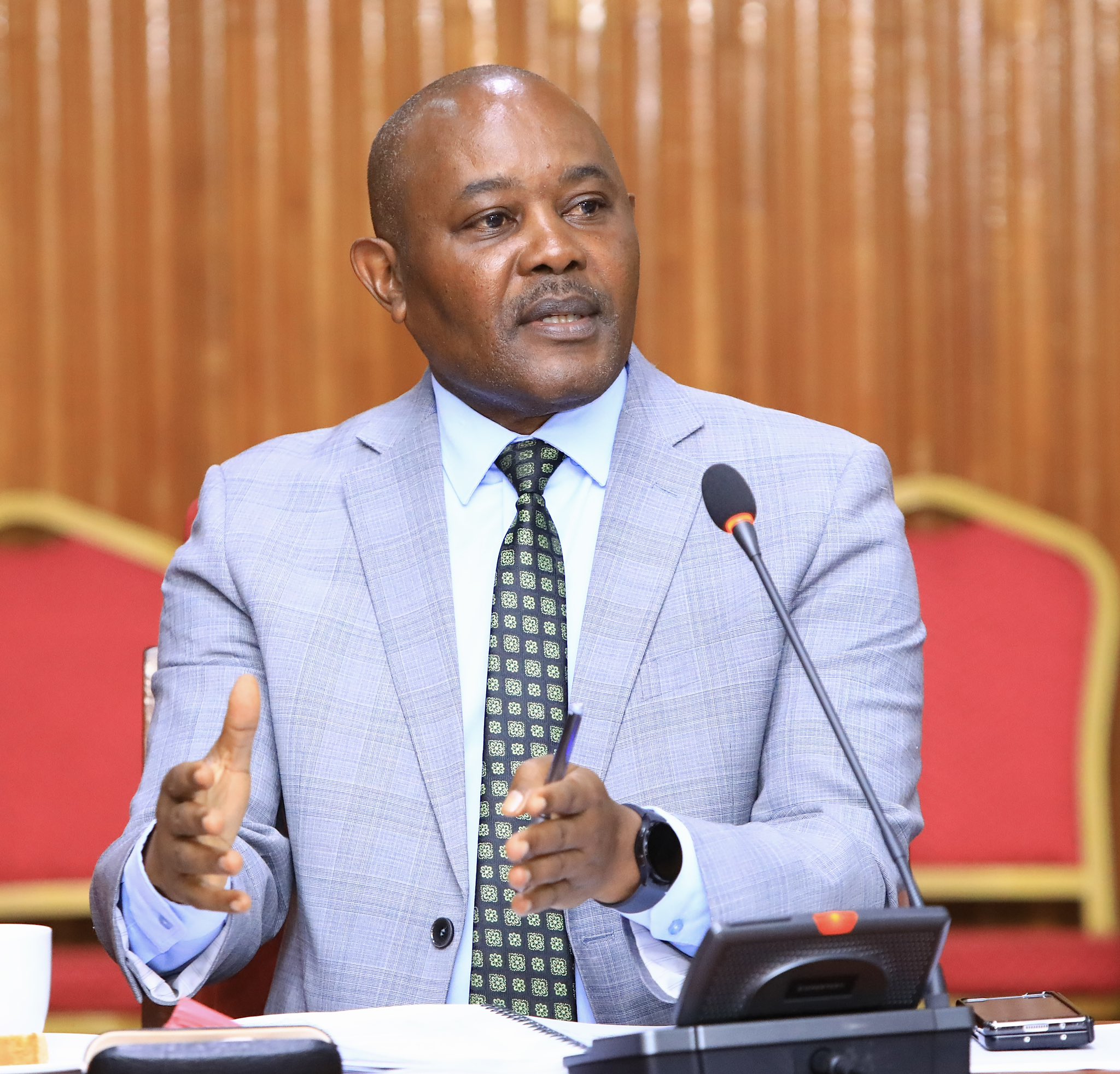
 Dr Charles Kabugo appearing before Public Accounts Committee (Central) on Tuesday.
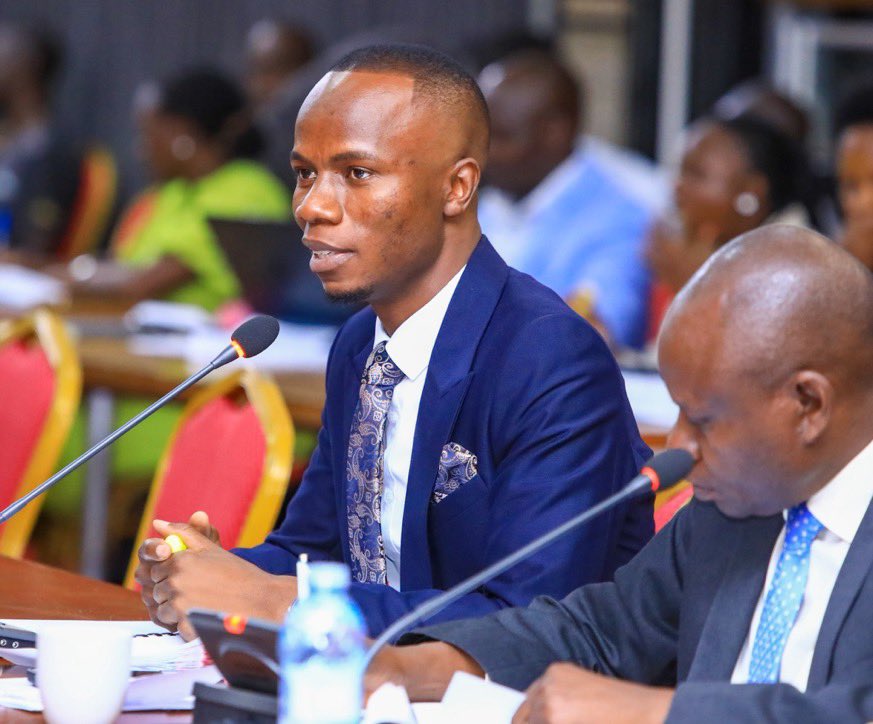 MPs on Parliament’s Public Accounts Committee (Central Government)
The executive director of Kiruddu National Referral Hospital has linked the rising burden of kidney disease and cancer in Uganda to shifting lifestyles, dietary habits and environmental pollution, while highlighting severe underfunding that has forced the facility to cut dialysis sessions for some patients.

Dr Charles Kabugo made the remarks on Tuesday while appearing before Parliament’s Public Accounts Committee (Central) to respond to findings in the Auditor General’s report for the 2024/2025 financial year.
The report showed that only Shs10.677 billion of the Shs48.967 billion required annually for dialysis consumables was provided, creating a shortfall of Shs38.289 billion.
As a result, the hospital reduced the frequency of dialysis for a number of patients from the clinically recommended three sessions per week to two. Legislators expressed concern about the impact on patients with end-stage kidney failure, for whom adequate dialysis is essential to survival and quality of life.
Dr Kabugo told the committee that demand for dialysis continues to grow as more Ugandans present with kidney disease whose causes are not always clear.
“We have so many patients who are coming to us and they have kidney disease. We don’t know what is causing the kidney disease. We think it’s what they have eaten. Yes, diabetes is contributing, but there are people who are not diabetic and they have kidney disease. We have young people, 20-year-olds. Why should a 20-year-old get a kidney disease?” he asked.
He pointed to food handling practices, chemical use in agriculture and environmental pollution as contributing factors requiring stronger regulation and prevention. Among the issues he raised were the use of antibiotics in poultry production, chemical treatment of stored maize, and pollution from vehicles and factories.
He also referenced findings by the Uganda National Bureau of Standards (UNBS) that detected aflatoxin contamination in food commodities including beans and groundnuts.
“Boiling them does not kill the toxin. And we are seeing a lot of cancers. Every family has been hit with a cancer case,” Dr Kabugo said.
He connected the rising cancer burden to wider food-safety and environmental-health concerns, though he did not present hospital-specific data quantifying the contribution of aflatoxins or other contaminants to individual cases.
Independent studies and official assessments have previously linked chronic aflatoxin exposure in Uganda to elevated rates of liver cancer, with estimates of thousands of related cases annually and significant economic losses.
Dr Kabugo further warned that many patients reach specialised facilities too late. He said approximately 90 per cent of deaths at tertiary and national referral hospitals occur within 48 hours of admission, indicating that people often arrive in critical condition.
“Our patients are taking too long to be referred for appropriate care. By the time sometimes when they come to us, it is a lost attempt,” he said, urging communities to seek care earlier and health workers to strengthen referral pathways.
Some patients, he noted, first exhaust their resources at private facilities before turning to public hospitals. He encouraged greater use of regional referral hospitals, which increasingly possess diagnostic capacity including CT scanners and echocardiography machines.
Complications from childbirth, accidents and infections also contribute to acute kidney injury, which can often be reversed if detected promptly.
Kiruddu has introduced a waiver policy allowing mothers who develop kidney complications during childbirth and accident victims with kidney injury to receive treatment free of charge. Early intervention for acute kidney injury can lead to recovery within about one month; delayed care frequently progresses to chronic disease that is far harder to manage.
On costs, Dr Kabugo said a single dialysis kit costs approximately Shs350,000 while the hospital charges patients a contribution of Shs60,000 per session. The fee is not intended to recover full costs, and patients unable to pay are not turned away.
The hospital has accumulated millions of shillings in unpaid bills as a result. Kiruddu currently conducts between 80 and 90 dialysis sessions daily, including overnight operations.
Its annual dialysis budget has risen from about Shs2.5 billion to Shs10.2 billion, yet the hospital has already exhausted its November allocation for consumables and is ordering December supplies early. Management is engaging the Ministry of Finance on additional resources.
To ease pressure on the Kampala facility, Kiruddu is supporting the decentralisation of dialysis services to regional referral hospitals including Mbale, Lira, Mbarara and Hoima, with plans to extend support to Jinja and Arua.
The national hospital trains staff, helps establish units and provides temporary support for roughly one year before handing operations over. Dr Kabugo urged MPs to ensure regional hospitals budget for dialysis consumables, so patients no longer need to travel to the capital.
The Auditor General’s findings and the hospital’s testimony underscore a broader challenge: non-communicable diseases are rising even as specialised services remain concentrated and under-resourced.
Uganda’s health policy framework emphasises prevention, early detection and equitable access, including cost-sharing arrangements and progressive expansion of services beyond Kampala.
Stronger enforcement of food-safety standards by UNBS, improved post-harvest handling, environmental safeguards and timely referral systems will be essential if the country is to contain the growing burden of kidney disease and cancer while protecting the most vulnerable patients-Parliament Watch Ug. Give us feedback on this story through our email: kamwokyatimes@gmail.com