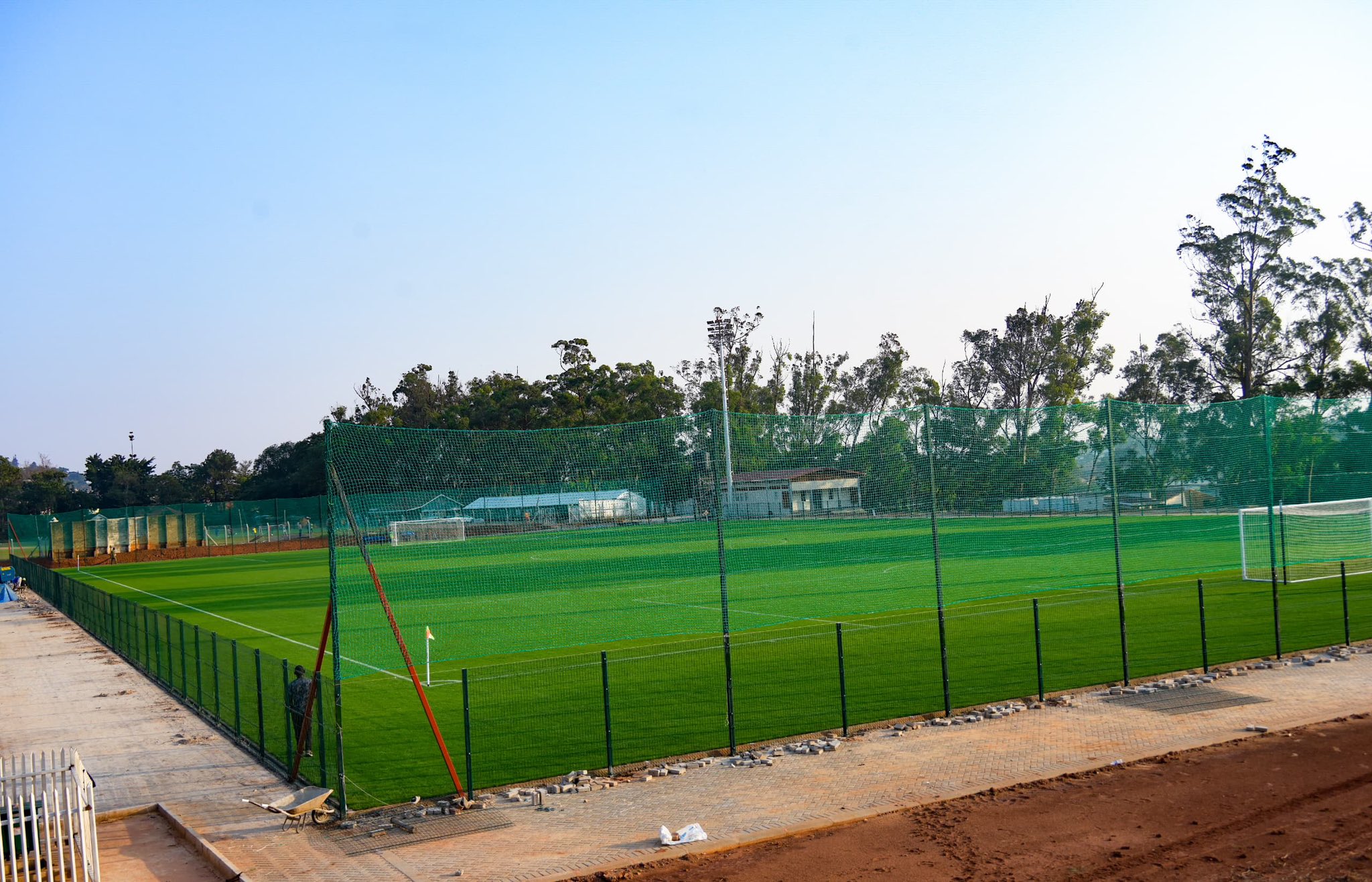
 Kyambogo Training Facility
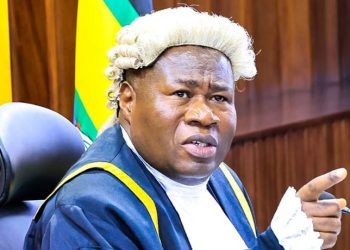
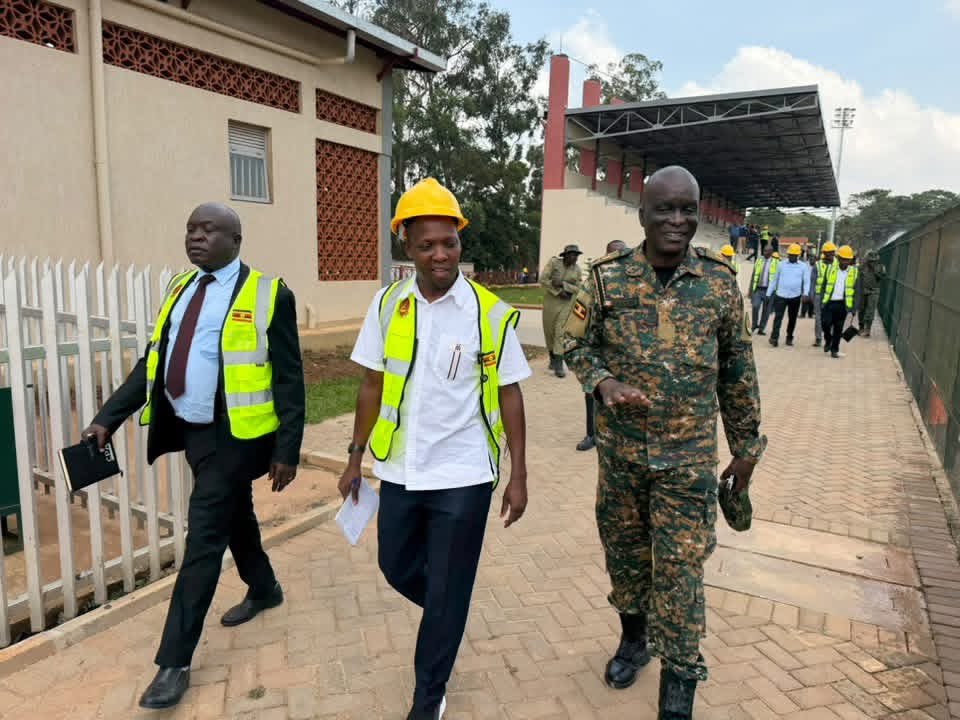 Lt. Col. Eng. Peter Seku Kidemuka with COSASE Chairperson Muwada Nkunyingi
Members of Parliament have demanded a comprehensive account of expenditure on the Shs20.2 billion Kyambogo Training Facility, questioning discrepancies between approved construction specifications and works delivered, as well as the payment and supervision arrangements involving the National Council of Sports (NCS), Ministry of Works and UPDF Engineering Brigade.

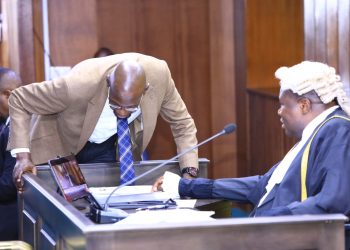
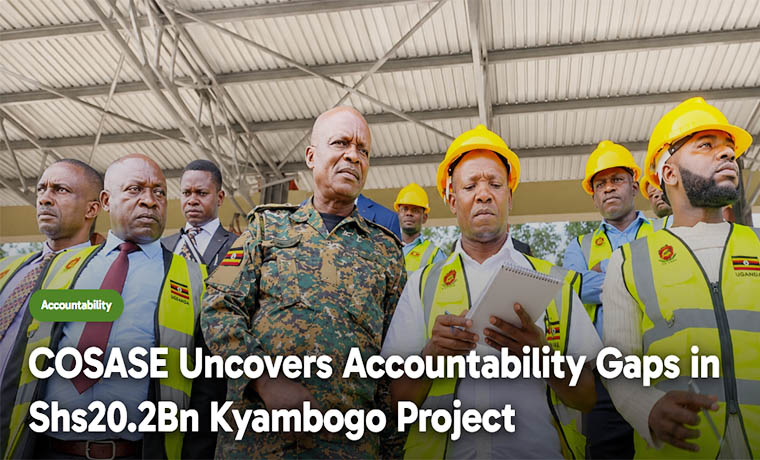
The concerns emerged during an inspection by Parliament’s Committee on Commissions, Statutory Authorities and State Enterprises (COSASE), chaired by Kyadondo East MP Muwada Nkunyingi, following queries raised by the Auditor General in the 2024/2025 financial year audit.
The inspection exposed significant differences in the quantities of construction materials and facilities recorded in the project’s Bills of Quantities (BoQs) and those physically identified by auditors and legislators. MPs also questioned the procurement of maintenance equipment, the cost of changing-room facilities and the reported payment of the project sum before all works had been completed.
At the centre of the inquiry is whether the implementing agencies can demonstrate that public expenditure was matched by the agreed scope, quality and quantity of works, and that any subsequent changes were properly authorised and accounted for.
One of the concerns was the absence of a gatehouse reportedly provided for in the original BoQs at a cost of Shs15 million.
The committee also identified discrepancies in the number of windows and doors installed. According to Nkunyingi, the original BoQs provided for 28 windows, but the Auditor General counted only 17. During the committee’s inspection, MPs also counted 17, although the project architect disputed the figure, maintaining that there were 19.
The discrepancies extended to doors. The original specifications provided for 22, but MPs counted 11 wooden doors and one metallic door. The architect subsequently reported 12 timber doors and one metallic door.
Nkunyingi questioned what had happened to the money allocated to the missing items and whether the changes had been approved through the appropriate technical and administrative procedures.
“What happens to the money made for the other windows? And what occasioned the change from 28 windows to 17 windows? If it is not disputed that the BoQ provided for 28, what happened to the other windows?” he asked.
The committee also questioned the reported Shs390 million expenditure on 25 changing-room seats, raising concerns about their unit cost and whether the expenditure represented value for money.
The architect, Maj. Eng. Patrick Asiimwe, told MPs that a December 2025 cost appraisal had remeasured the works and reduced their assessed value from Shs390 million to Shs377.9 million. He further said the appraisal reflected 19 windows and 13 doors, rather than the original provisions of 28 windows and 22 doors.
However, the revised figures did not resolve the committee’s concerns about the basis for the changes, the approval process or the treatment of funds initially allocated to the original specifications.
Other items placed under scrutiny included a perimeter fence reportedly costing Shs278 million, a transformer valued at Shs135 million, a borehole costing Shs30 million and maintenance equipment worth Shs1.2 billion.
MPs questioned why the transformer and borehole had not been identified during the Auditor General’s inspection and demanded evidence of their installation, functionality and compliance with the approved specifications.
Budadiri East MP Julius Nakiyi demanded a detailed inventory of the maintenance equipment, including its specifications, procurement records and physical location, arguing that the committee needed to establish whether the equipment supplied corresponded with the quantities and standards contained in the BoQs.
The disagreement over the project’s implementation arrangements further complicated the inquiry.
UPDF Engineering Brigade project engineer Lt. Col. Eng. Peter Seku Kidemuka told the committee that the project had not been contractually divided into phases but was implemented through administrative arrangements influenced by the availability of government funding.
He explained that although the original Memorandum of Understanding (MoU) provided for one project, government released funds in instalments, forcing the implementing team to prioritise selected works.
Kidemuka said the first release amounted to Shs6 billion, which was directed towards essential facilities intended to make the venue usable for sporting activities.
He maintained that activities not undertaken during the initial implementation period were deferred to subsequent stages rather than abandoned.
However, the Auditor General’s representative maintained that the project had been implemented in phases, with Shs13.5 billion allocated to the first phase out of the approximately Shs20.2 billion total project funding. The representative presented a BoQ detailing the first-phase works and indicated that the outstanding activities were expected to be undertaken in the current financial year.
The conflicting accounts raised questions about the approved project structure, the distinction between funding releases and contractual phases, and whether the implementing agencies had obtained the necessary approvals before altering the scope of works.
Lugazi Municipality MP Richard Ssalongo Senteza questioned the rationale behind prioritising certain facilities over others, insisting that the implementing agencies needed to demonstrate that their decisions were consistent with the original contract and approved project requirements.
He also questioned the proposed conversion of dressing-room areas into toilets, asking whether the modifications were driven by legitimate technical requirements or were adjustments made after implementation challenges emerged.
Buzaaya County MP Martin Muzaale raised another critical accountability concern over reports that the contractor had received the full contract sum before completing the works.
He questioned the payment arrangements, arguing that if the project operated under an admeasurement arrangement, payments should be supported by verified quantities of work executed and certified by the supervising engineers.
Muzaale demanded an explanation from the Ministry of Works on the basis for the reported full payment, whether the completed works had undergone a technical audit and how the final expenditure had been reconciled with the original contract.
The issue is particularly important because payment certification is a key control mechanism in public infrastructure projects. A payment certificate should provide an auditable record of the work measured, verified and approved, rather than simply reflect the amount of money released to an implementing agency.
The Ministry of Works representatives told the committee that their responsibility was to supervise construction, verify completed works and certify expenditure to ensure value for money. They maintained that the UPDF Engineering Brigade could not access project funds without certification of completed activities.
However, MPs insisted that the ministry’s assurances needed to be substantiated by measurement records, payment certificates, inspection reports and the relevant contractual documents.
The accountability questions also carry implications for Uganda’s preparations to co-host the 2027 Africa Cup of Nations (AFCON) alongside Kenya and Tanzania.
Elgon North MP Gerald Nangoli questioned whether the facility would be ready for an anticipated Confederation of African Football (CAF) inspection in December, arguing that the outstanding works and unresolved discrepancies raised doubts about its preparedness.
Uganda’s AFCON preparations involve upgrading several stadiums and designated training facilities to meet CAF requirements. Kyambogo University Training Ground was among the facilities included in CAF’s February 2026 inspection programme, which assessed infrastructure, safety, pitch quality, security and team amenities.
Kidemuka maintained that the implementing team had prioritised the football pitch, floodlights and dressing rooms to meet tournament requirements. He also insisted that the transformer and borehole were available, although supporting documentation was still required to verify their installation and delivery.
The architect attributed some of the changes to redesigns and adjustments intended to accommodate requirements arising from the African Nations Championship (CHAN), including the conversion of some dressing-room areas into toilets.
Nevertheless, the explanations raise a wider question about the relationship between changing tournament requirements and the management of public infrastructure contracts. Where design changes are necessary, the implementing agencies must demonstrate that they were technically justified, properly approved and reflected in revised cost estimates and contractual documentation.
Uganda’s public financial management framework places clear responsibilities on public officials managing government resources. Section 45 of the Public Finance Management Act, 2015, requires accounting officers to ensure the regular and proper use of appropriated funds, maintain effective internal controls and remain personally accountable to Parliament for the activities of their votes.
Similarly, Article 163 of the Constitution mandates the Auditor General to audit public accounts and conduct financial and value-for-money audits of projects involving public funds. Article 164 further establishes accountability for public funds and Parliament’s responsibility to monitor government expenditure.
These provisions make the committee’s inquiry more than a technical disagreement over construction measurements. They place the burden on the responsible institutions to demonstrate that public resources were properly committed, disbursed, supervised and converted into functional public assets.
The National Sports Act, 2023, also assigns the National Council of Sports responsibilities that include providing sports facilities and equipment, as well as developing, managing, operating and maintaining public sports facilities vested in the Council.
For the Kyambogo project, this means accountability should extend beyond the construction phase to whether the completed facility is properly equipped, maintained and capable of delivering the intended sporting services.
Concluding the inspection, Nkunyingi directed the implementing agencies to submit the original MoU, BoQs, cost appraisals, instructions authorising design changes and records showing how funds allocated to incomplete or modified works had been utilised-Parliament Watch Ug. Give us feedback on this story through our email: kamwokyatimes@gmail.com