Institutions of higher education in Uganda have been challenged to strengthen specialised postgraduate training in science-related fields to help the country address critical human resource gaps and build its technical capacity.
The Ministry of Education and Sports observes that the country continues to face a shortage of specialised science professionals needed to drive its technological development agenda, despite a significant increase in university science graduates.
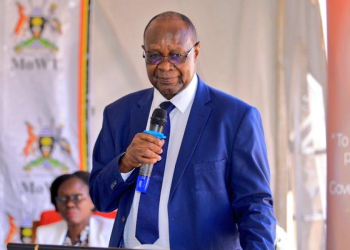
Doctor John Chrysostom Muyingo, the Acting Minister of Education and Sports, observes that there is need for universities to prioritise postgraduate science programs and encourage more graduates to pursue specialised courses to support the country’s aspirations of strengthening its healthcare systems.

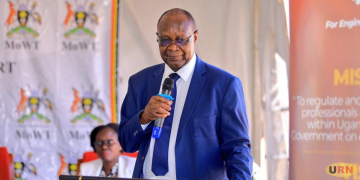
In a speech delivered by Engineer Elly Turyatemba, the Assistant Commissioner for Technical and Vocational Education and Training, at the maiden graduation ceremony of Equator University of Science and Technology, Muyingo called on universities to create an enabling environment for training more science specialists.
Muyingo noted that Uganda and the wider region continue to face a shortage of specialists in key medical fields such as dentistry and surgery, limiting their capacity to meet the growing healthcare needs of communities, hence widening the disease burden.
Dr Muyingo reaffirmed the government’s commitment to enforce the broader education reforms that emphasize the Competence-Based Education and Training (CBET) framework in the higher education system.
According to him, the Ministry is committed to its set timelines for the 2027/28 academic year, thereby challenging university administrators to undertake the required preparation for the scheduled transition.
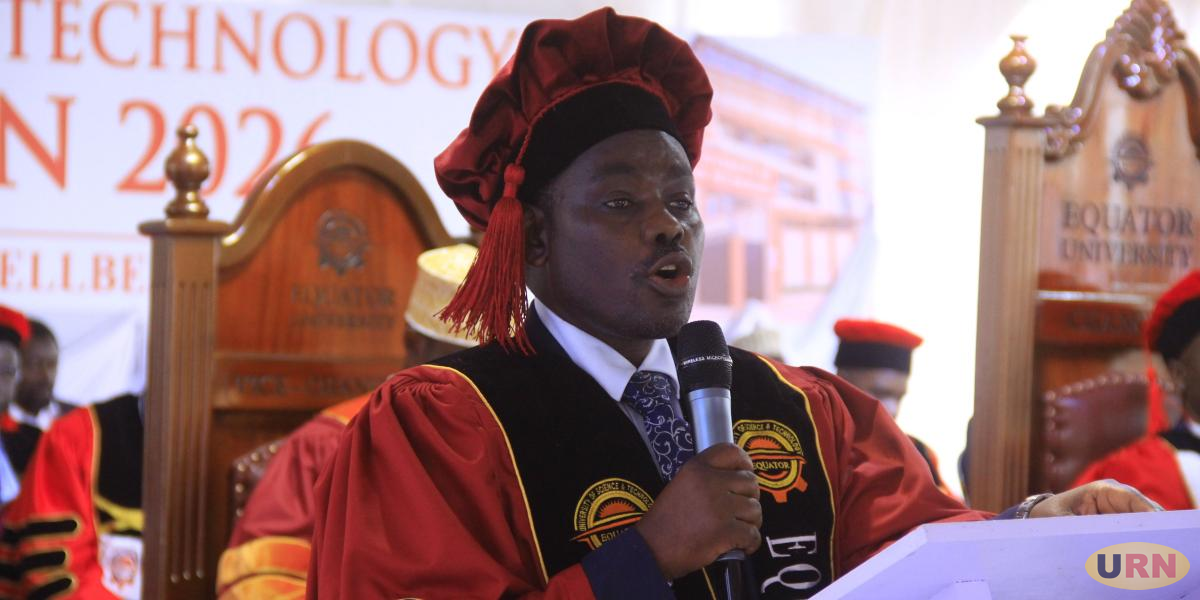
Professor Mouhamad Mpezamihigo, the Vice Chancellor of Equator University of Science and Technology, says the university is already well-equipped with qualified personnel and modern facilities to implement the education reforms and ensure effective transfer of knowledge and skills to graduates.
He says since its establishment in 2021, the university has invested in advanced medical training facilities to train both students and practising health professionals at Masaka Regional Referral Hospital, with the aim of increasing the number of medical specialists needed in the health sector.
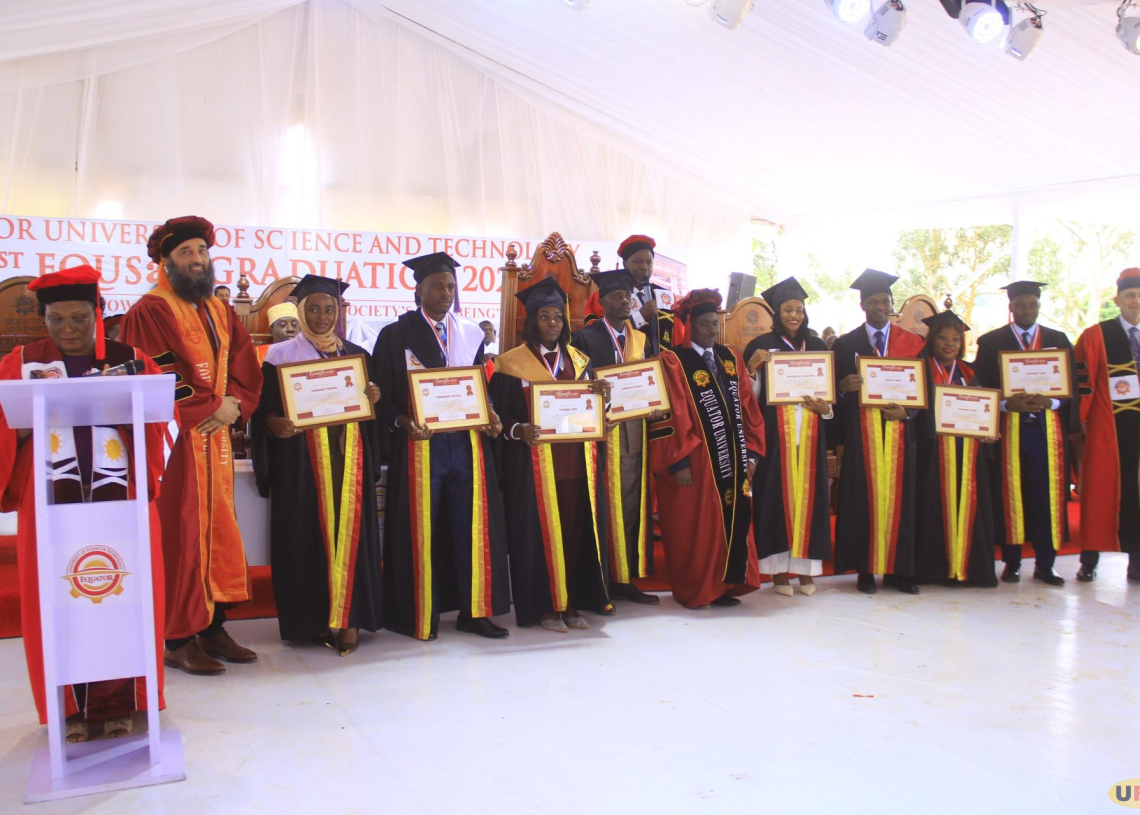
At its maiden graduation ceremony, the university awarded degrees to 38 students in Medicine and Surgery, 10 in Dental Surgery, 10 in Information Technology and 8 in Business Administration. Four other students received diplomas in Information Technology.
“We are confident that we have produced a competent team of professionals equipped with the knowledge and skills to contribute to Uganda’s development agenda. The university will continue to strengthen its academic programmes to respond effectively to the needs of the country and the region,” Professor Mpezamihigohe noted.
The titular head of the Muslim community in Uganda, Prince Khasim Nakibinge Kakungulu, has commended the partnerships that led to the establishment of the university, which he says supports the country’s efforts to expand access to quality education. He urged the graduates to uphold high standards of professionalism and integrity in the practice of their respective professions-URN. Give us feedback on this story through our email: kamwokyatimes@gmail.com