African business leaders are prioritising artificial intelligence (AI) investment, but few believe their organisations are keeping pace with technological developments, according to the 2026 KPMG Africa CEO Outlook.
The report finds that 72% of African CEOs identify AI as a top investment priority, compared with 79% globally. However, only 14% believe their organisations are moving at the right pace or ahead of AI developments, compared with 66% of global CEOs.
The findings point to a gap between ambition and the capacity to implement AI effectively. Businesses face challenges including skills shortages, staff training, data capabilities and the integration of new technology into existing systems.

The report also raises questions about the returns on AI investment. While 48% of African CEOs expect returns within one to three years, 42% expect to wait more than three years. Globally, 71% expect returns within one to three years, while 12% anticipate a longer wait.
The findings are contained in the third edition of the KPMG Africa CEO Outlook, which examines business growth expectations, economic uncertainty, technology, workforce development and sustainability. Revenue growth outpaces earnings expectations.
Despite confidence in their businesses, African CEOs are less optimistic about sustained earnings growth.
The report says 86% of African CEOs recorded revenue growth in their latest financial year. However, only 58% expect annual earnings growth of at least 2.5% over the next three years, compared with 68% of CEOs globally.
The figures suggest that increasing sales have not necessarily translated into expectations of stronger, sustained earnings growth.
Overall, 79% of African CEOs are confident in their organisations’ growth prospects, while 72% are confident in their domestic economies. Confidence in the global economy stands at 66%, broadly in line with the global figure of 65%.
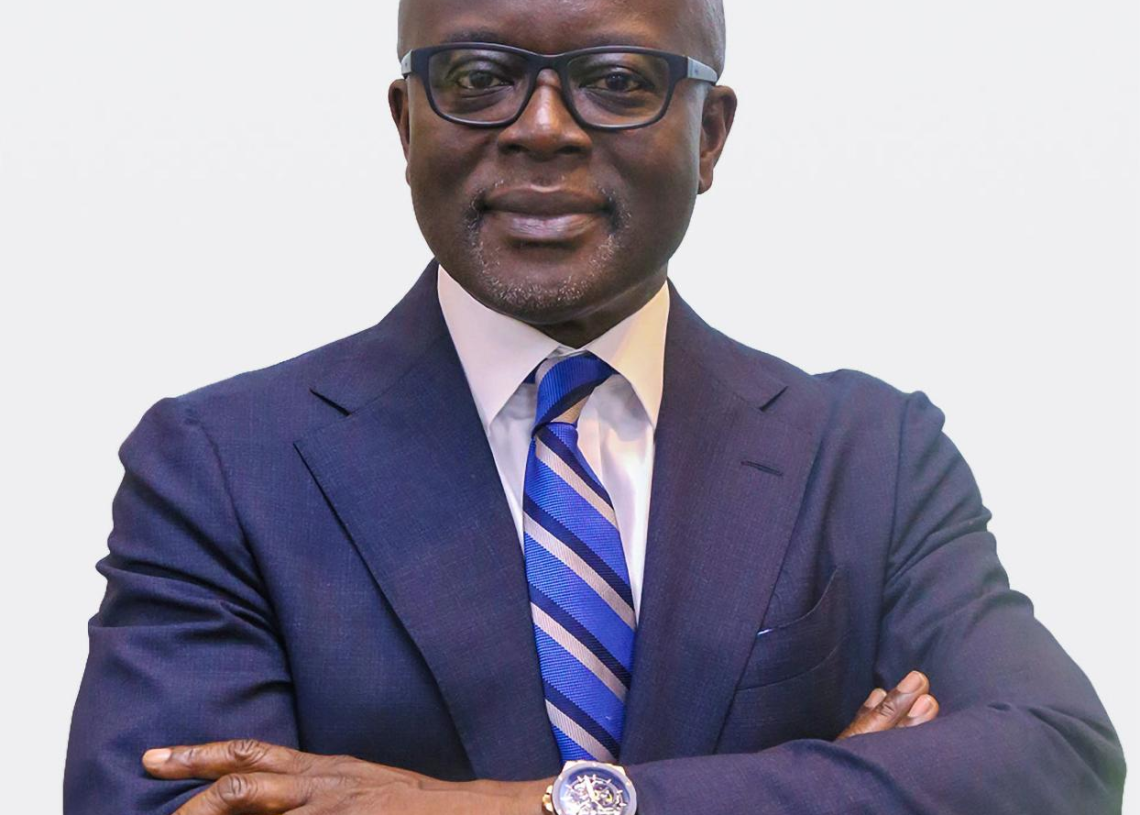
Tola Adeyemi, Senior Partner and CEO of KPMG One Africa, said businesses would need to make deliberate investment decisions and strengthen their ability to respond to disruption.
“African businesses are demonstrating confidence in their ability to grow, but the next phase of growth will require more than ambition,” Adeyemi said.
“Leaders must make deliberate choices about where to invest, how to strengthen resilience and how to build organisations that can adapt to disruption.”
The report identifies cybersecurity and data security, alongside supply-chain resilience, as the leading threats to growth among African CEOs.
Each was cited by 31% of respondents, followed by the integration of AI into business operations at 27%.To address these risks, 45% of African CEOs are increasing investment in cybersecurity and digital-risk resilience. Another 36% are investing in regulatory compliance and reporting, while 31% are increasing investment in AI integration.
The findings come amid geopolitical tensions, energy-market volatility, supply-chain disruptions and changing trade relationships, which can affect business costs and investment decisions.
The report notes that Africa has opportunities to attract investment through its energy resources, critical minerals and growing consumer markets. However, taking advantage of these opportunities will depend on infrastructure, reliable energy, skills, connectivity and predictable regulation.Despite increasing investment in AI, most African CEOs expect their workforces to grow rather than shrink.
The report says 84% expect their organisations’ headcount to increase over the next three years, compared with 89% globally.
Meanwhile, 86% plan to retain and retrain high-potential employees, 82% are redesigning jobs and career paths to support collaboration between people and AI, and 74% are hiring AI and technology specialists.
However, skills shortages remain a concern. Some 59% of African CEOs identify workforce skills gaps as a challenge, while 58% cite AI training and upskilling and 52% point to difficulties attracting and retaining talent.
The findings indicate that businesses will need to invest in workforce development alongside technology if they are to improve productivity and benefit from digital transformation.
The report also points to progress in businesses’ preparation for sustainability reporting requirements.
The proportion of African CEOs who say their organisations have the capacity to meet new sustainability reporting requirements rose from 55% in the previous year to 65% in 2026.
Almost half, or 48%, say they are embedding sustainability more deeply into their core business strategies, compared with 63% globally. Another 40% are narrowing their focus to sustainability issues they consider most important to business performance.
On energy, 41% of African CEOs prioritise reducing energy demand, while 40% plan to diversify towards renewable or lower-carbon external energy supplies.
Adeyemi said Africa’s growth prospects would depend on how effectively businesses develop talent, work across markets and build the capacity to compete in a changing global economy.
The report concludes that confidence remains strong among African business leaders, but future performance will depend on their ability to turn investment into measurable results while managing economic uncertainty and technological change. The full report is available through KPMG’s 2026 Africa CEO Outlook.-URN. Give us feedback on this story through our email: kamwokyatimes@gmail.com