Meteorologists are working to correct a widespread belief that El Niño means rain every day, saying the misunderstanding is fuelling public anger over a forecast that many Ugandans have criticised. When the Ministry of Water and Environment, through its Department of Meteorological Services, and regional partners flagged a strong El Niño mid-year, many people expected near-constant downpours.
Instead, the June-to-August season remained largely dry in the eastern region, while the October-to-December rains have been slow to start. “Where is the El Niño?” and “Where are the rains they promised?” have become common questions in communities. The criticism also reached Parliament. Deputy Speaker Thomas Tayebwa noted that the forecast had been inaccurate and suggested that traditional rainmakers appeared more reliable than professional meteorologists.
“We lobbied for about Shs12 billion for UNMA to have the latest equipment. But now, with the equipment that we have, I rather trust my rainmaker,” Tayebwa said. He added: “I think they are also predicting manually. They tell us rain is coming this time; you wait for rain, zero.” Kalema Abubakar and George William Omony, both principal meteorologists at the department, say the frustration stems from a basic misunderstanding of what El Niño is and how it behaves in East Africa.

“El Niño doesn’t mean that it will rain every day,” Abubakar says. “To many people, El Niño just means floods and constant rains. No, please.”
What El Niño Is
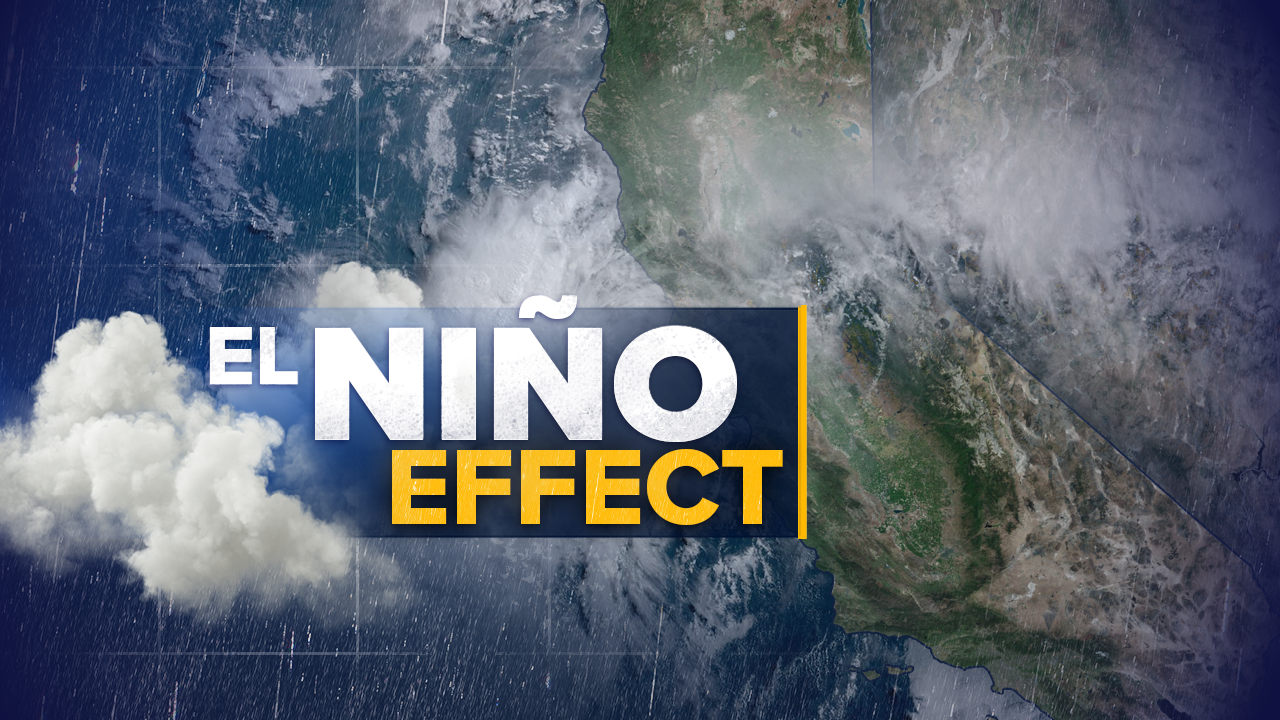
El Niño refers to warmer-than-normal sea surface temperatures over the central equatorial Pacific Ocean, thousands of kilometres from Uganda. Omony says forecasters begin to detect the signal in March and monitor it closely. If the warming persists until June, the World Meteorological Organization (WMO), the global body that coordinates national weather services, can officially declare an El Niño. This year’s declaration came in June.
Meteorologists describe the current event as the warmest on record, at +2.78°C, placing it among the strongest on record alongside those of 1997, 2015, 1982, 2006 and 1972. Omony says El Niño does not bring rain everywhere at once. Across much of Uganda, it initially suppresses rainfall.
“When the signals emerge in March, they suppress the June–July rains completely, and this is exactly what happened,” he says. The dry spell hit Karamoja hardest, bringing drought at a time when the region would normally be receiving its main rains. The delayed start of the September-to-December (SOND) rainy season also mirrors 1997, another powerful El Niño year, when the rains started late, and September rainfall was suppressed.
The heavier rains associated with El Niño typically arrive in October, November and December, especially when the Indian Ocean Dipole, another ocean temperature pattern, is in a favourable phase. Meteorologists expect more rainfall in the coming months. They say the public has equated the declaration of El Niño with the immediate onset of daily rain, yet it is a multi-phase climate pattern that can bring dry conditions first, followed by above-normal rainfall later.
What “Onset” Means
Kalema says people also confuse the onset of a rainy season with the arrival of daily rain. Meteorologists declare the onset after a five-day period during which it rains on at least two days, with a cumulative total of at least 20 millimetres, followed by no dry spell lasting longer than seven days in the next 21 days. “We are currently on the onset,” he says, stressing that this does not mean continuous rain from day one.
Heat Ahead
Beyond rainfall, El Niño can also raise temperatures. Kalema says night-time temperatures have remained unusually high. “Even at night, it is not as cool as it normally is. Many people have noticed they no longer need to cover up when sleeping. That is El Niño at work, and it is also part of the story,” Kalema said.
Omony warns that the effects will extend into early 2027, with abnormally high temperatures expected from late January to early March. “People should not think that once the rains come, El Niño is over. From late January to early March, we expect abnormally high temperatures, so the public should prepare for a hot spell,” Omony said.
Both officers stress that the current El Niño is real and is already influencing weather across the region. The challenge, they say, is communicating its complex, phased impacts so that an El Niño announcement is no longer interpreted as a promise of daily rain-URN. Give us feedback on this story through our email: kamwokyatimes@gmail.com