Fish traders, particularly women and youth, are facing corruption, sexual exploitation, intimidation, and costly clearance procedures along cross-border trade routes, prompting calls for urgent government intervention to protect their businesses and livelihoods.
The traders say the challenges are forcing some of their colleagues out of the fish trade while others continue to incur losses from unofficial payments and other barriers along the supply chain.
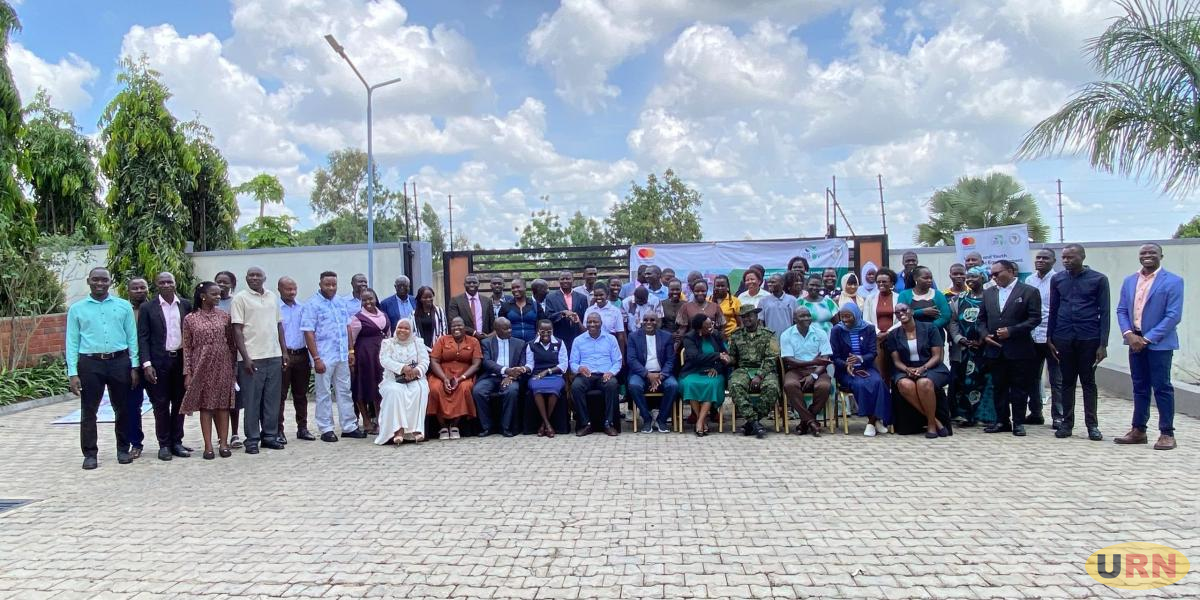
They raised the concerns during the third National Women and Youth Dialogue on Cross-Border Fish Trade, convened by Wakili Trust and partners in Arua, where they urged authorities to address the barriers and ensure safer movement of traders and their products across borders.

Rachel Ajambo, the Country Team Leader at Wakili Trust, said the challenges affect women and youth traders across East Africa, disrupting their businesses and the wider fisheries value chain.
The traders said corruption and difficulties in licensing and clearance procedures increase the cost of doing business, while sexual exploitation and intimidation expose women to additional risks.
One female fish trader, who requested anonymity, said women in the sector face sexual exploitation by men at different stages of the fish value chain. She called for urgent intervention to protect traders from abuse.
Tonny Mathew, chairperson of the Leudier and Goi Fish Traders Union, which supplies Arua Main Market with fish from South Sudan, said traders lose nearly 3,000 US dollars to multiple roadblocks along the Bor-Nimule route while transporting fish to Uganda.
The traders said such costs, particularly payments that contradict established policies, undermine their businesses and make cross-border trade increasingly difficult. They called on policymakers, regulators, security agencies, local leaders and development partners to prioritise measures to address the barriers.
They also urged Uganda to strengthen engagement with neighbouring countries, including the Democratic Republic of Congo (DR Congo) and South Sudan, to facilitate the movement of traders and goods once the required clearance procedures have been completed.
Rugadya Richard, the Principal Fisheries Officer at the Ministry of Agriculture, Animal Industry and Fisheries, said the Ugandan and DR Congo governments had established a framework to facilitate fish trade between the two countries and protect traders.
He added that the Lakes Edward and Albert Fisheries and Aquaculture Organisation (LEAFAO), which operates across the two countries, was engaging communities to help address challenges affecting the fisheries sector.
Rugadya urged traders to comply with established policies and guidelines and report cases of misconduct to the relevant authorities so that they can be addressed.
The dialogue is being held under the five-year Women and Youth Economic Empowerment in Fisheries through Inclusive Market Access project, worth 5.1 million US dollars. The project is funded by the Mastercard Foundation through Trademark Africa (TMA) and the African Continental Free Trade Area (AfCFTA).
The first dialogue was held in Jinja, followed by a second in Kasese, before the latest meeting in Arua. The engagements aim to identify barriers to cross-border fish trade and encourage authorities to respond with practical guidance and solutions.
The project is being implemented in Uganda, Kenya and Tanzania by Kilimo Trust, LATTICE, the Eastern African Sub-Regional Support Initiative for the Advancement of Women (EASSI), WorldFish and MicroSave Consulting.
It seeks to strengthen market linkages, fish aggregation, and logistics while addressing systemic barriers, including gender-based discrimination, that limit women’s and young people’s participation in the fisheries value chain-URN. Give us feedback on this story through our email: kamwokyatimes@gmail.com