An exceptionally strong El Niño could push about 50 million people into increased hunger and deepen humanitarian needs across Africa and other vulnerable regions. The United Nations is calling for urgent action before extreme weather impacts intensify.
Tom Fletcher, the UN Under-Secretary-General for Humanitarian Affairs and Emergency Relief Coordinator, said the next two weeks were critical for delivering cash assistance, protecting agricultural livelihoods and moving relief supplies ahead of anticipated heavy rains and other weather-related shocks.
Speaking alongside World Meteorological Organization (WMO) Secretary-General Celeste Saulo, Fletcher warned that the climate phenomenon would compound existing crises, including conflict, displacement, rising food and fuel prices and cuts in humanitarian assistance.

“This El Niño is a behemoth. It is a wrecking ball,” Fletcher said, warning of extreme heat, droughts and flooding across Latin America, Eastern and Southern Africa, Asia and the Pacific.
He said the African Development Bank estimates that El Niño could cost African countries between 10 billion and 20 billion US dollars and reduce gross domestic product by between one and two per cent.
Fletcher said the impacts would extend beyond countries directly affected by extreme weather, potentially triggering economic shocks, further displacement and migration.
Saulo said the WMO’s latest seasonal climate outlook indicates that the current El Niño could be unprecedented in strength, with sea-surface temperatures in the tropical Pacific potentially reaching 3.8 degrees Celsius above average between November 2026 and January 2027.
She said the forecast would place the event beyond the levels recorded in the past four decades, raising concerns about disruptions to rainfall and temperature patterns across the world.
Saulo explained that El Niño can bring severe drought to some regions while causing heavy rainfall and flooding in others, alongside increased heat in large parts of the world.
However, she said the availability of scientific forecasts and early-warning systems provides an opportunity to reduce the human cost of the phenomenon if governments and humanitarian agencies act in time.
“We cannot stop El Niño, but we can prevent many of its worst human consequences,” Saulo said.
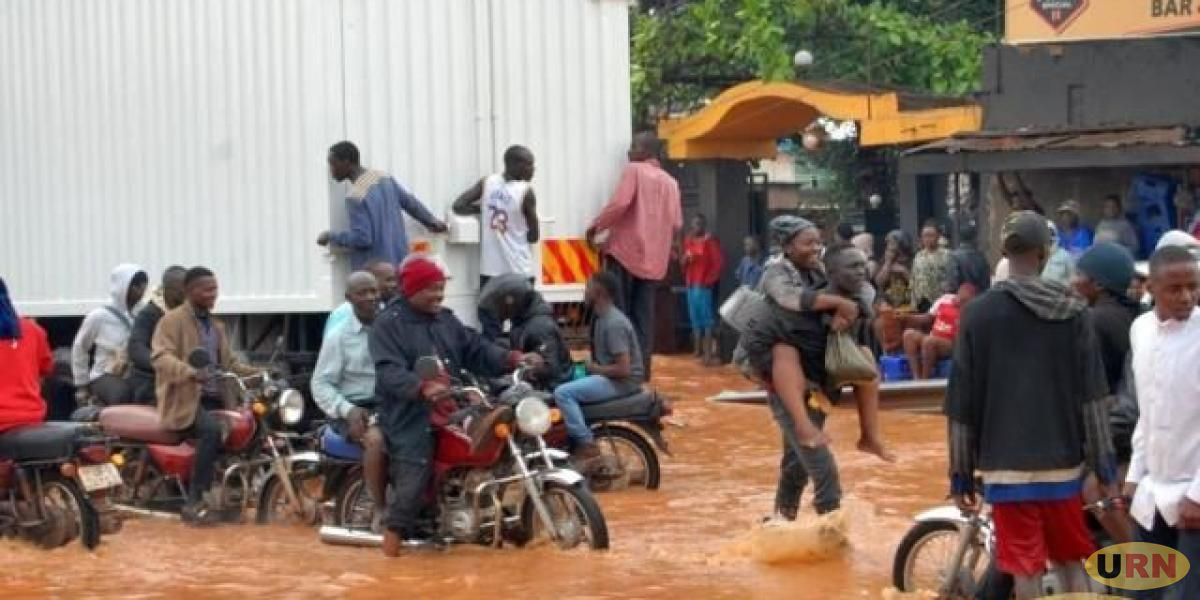
For East Africa, the WMO outlook indicates a higher likelihood of wetter-than-normal conditions in parts of the region during the October to December rainy season, raising concerns about heavy rainfall and flooding.
Fletcher specifically identified Somalia, Ethiopia and Kenya as countries needing cash assistance and supplies ahead of the anticipated heavy rains.
He said humanitarian agencies were preparing to support communities before roads become impassable, crops fail and families lose their livestock.
The UN humanitarian chief said more than 50 million US dollars had been released from the Central Emergency Response Fund to support 11 countries on the front line of the crisis, including Ethiopia, Somalia, South Sudan, Chad and El Salvador.
The preparations include providing cash to vulnerable families before the onset of severe impacts, helping farmers and herders protect crops and livestock, and moving supplies to locations where they can be accessed if flooding cuts off roads.
Fletcher urged governments, development banks and international financial institutions to release funding before disasters occur rather than waiting until communities require emergency relief.
He also called on countries with disaster-response capacity, the scientific community and private companies to contribute expertise, technology and resources to preparations.
The humanitarian chief warned that the consequences could last for months or years because El Niño would compound existing humanitarian emergencies and economic pressures. He noted that more than 250 million people already require humanitarian assistance globally.
Saulo stressed that regional and seasonal forecasts do not predict individual weather events, making national and regional forecasting essential for determining where and when assistance is needed.
She said WMO was working with the UN Office for the Coordination of Humanitarian Affairs and other partners to translate climate forecasts into practical decisions that protect vulnerable communities. Both officials said the opportunity to prepare remains open but warned that delays in funding and action could leave communities exposed to preventable losses-URN. Give us feedback on this story through our email: kamwokyatimes@gmail.com