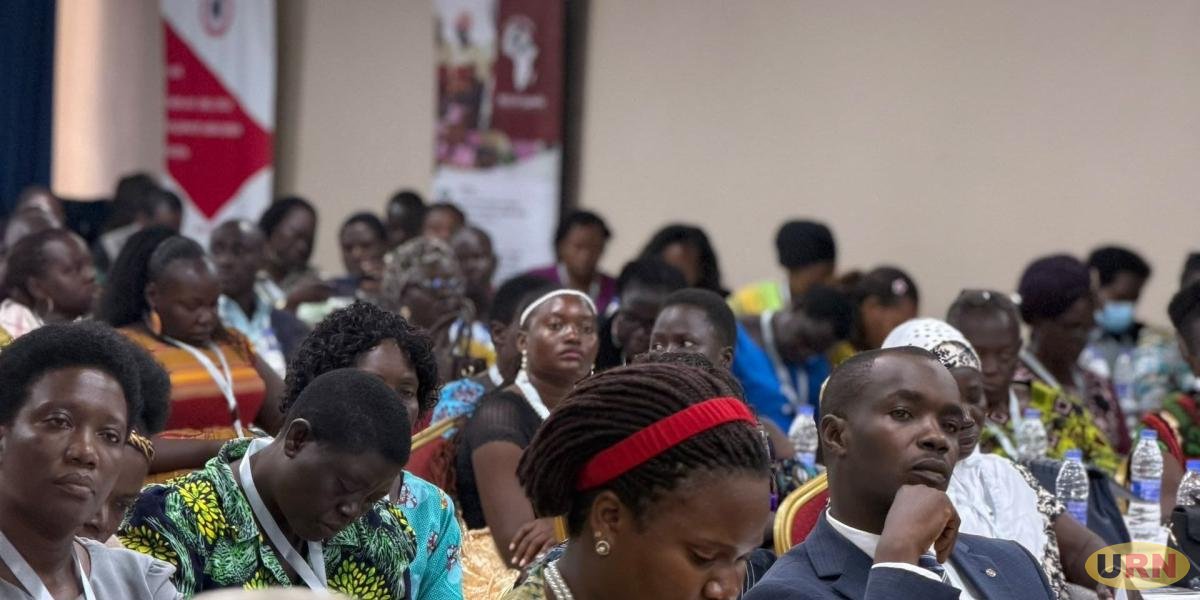
Women land rights advocates have called for greater involvement of men in campaigns for equal land ownership, arguing that efforts to empower women will have limited impact if men, who often control family land, are excluded.
The 2024 National Population and Housing Census found that 24.4 percent of adult women owned land, compared with 36.7 percent of adult men, highlighting a persistent gender gap in access to one of the country’s most important economic assets.
The census also found that 57 percent of female landowners had legal documentation, compared with 58.8 percent of male landowners.

The figures suggest that the challenge involves not only securing land but also documenting ownership.
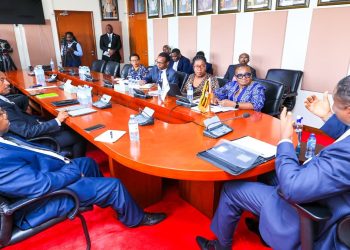
The findings come as grassroots advocates convened in Kampala for the fourth Women Land Rights Conference, a two-day meeting organised by the Stand for Her Land movement, the Uganda Community Based Association for Women and Children (UCOBAC) and other organisations.
The conference is addressing legal and policy reforms, women’s land documentation, access to justice, harmful customary practices, climate change and environmental concerns.
Fosta Nuwagaba, a grassroots women’s land rights advocate from Kabale District, told Uganda Radio Network on the sidelines of the conference that men must be involved in discussions about women’s land rights if communities are to change discriminatory practices.
“I wish that in this conference, my brothers were also invited so that they know exactly what I am talking about. They can then go and speak to fellow men in their communities,” she said.
Nuwagaba said women are increasingly learning about their rights, but resistance from men within families and communities continues to undermine efforts to secure equal ownership and inheritance.
She argued that involving men would help challenge discriminatory attitudes, encourage acceptance of women’s property rights and reduce resistance to women owning land.
Nuwagaba said that when her father died, she and her sisters were given a piece of land but were expected to leave, while the rest of the family property was reserved for their brothers.
“When my father died, they gave us that piece of land and expected us to leave. The rest of the properties belonged to the sons,” she said.
After receiving land rights education from UCOBAC, she challenged the arrangement and began advocating for equal inheritance among her siblings. She subsequently educated her mother about women’s rights to own and inherit land.
Nuwagaba said her mother eventually wrote a will providing for a more equitable distribution of the family estate.
“As I speak now, the land is distributed equally among us. I have four sisters, and I am the fifth, while my brothers are four. Through my advocacy and speaking to my mother, we also got land, and we shared it equally,” she said.
She added that owning land had given her greater security and economic independence, including the ability to use the property for productive activities and potentially as collateral when seeking a bank loan.
The difference between women reporting that they own land and having their names on ownership documents has also been documented in research by the International Food Policy Research Institute (IFPRI).
In a study titled Who Owns the Land? Perspectives from Rural Ugandans and Implications for Land Acquisitions, Allan Bomuhangi, Cheryl Doss and Ruth Meinzen-Dick examined land ownership in 11 communities across three districts.
The research drew on a 2009 survey of 770 individuals from 381 households and examined ownership claims, documentation, decision-making over land use and the right to sell, rent out or bequeath land.
The researchers found that 69 percent of the male respondents reported owning land, compared with 57 percent of the female respondents.
However, when ownership was assessed through documents bearing the individuals’ names, the proportions fell to 52 percent for men and 18 percent for women.
The study also found that 46 percent of women surveyed reported jointly owning land with their spouses, compared with 53 percent of men. Yet wives were much less likely to be named on ownership documents.
The researchers cautioned that household claims of joint ownership can present a different picture from documentary evidence and the rights individuals exercise over land.
The findings, based on research conducted in 2008 and 2009, are not a measure of current national ownership. However, they illustrate why women may have access to family land without having the same documented rights or authority over its disposal.
Nuwagaba also linked women’s limited control over land to household food security and nutrition, arguing that women cannot adequately provide food for their families when they lack authority over the land on which crops are grown.
“The women who are supposed to produce food do not access family land. The land is controlled by men, and you find children at home who are malnourished because the woman wants to plant vegetables while the man wants to plant trees,” she said.
She urged women who purchase land to register it in their own names, saying documented ownership strengthens their security and ability to decide how the property is used.
Dr. Margaret Rugadya, the chief programme officer of the Tenure Facility Fund, said more women had come forward to claim their land rights over the past five years, partly through support from the Stand for Her Land campaign.
However, she said some women had secured ownership by taking advantage of opportunities during land registration rather than through consistent enforcement of their rights.
“For example, many women got a chance to register their land under customary tenure as certificates of occupancy or freehold titles because they had national IDs and the men didn’t have national IDs,” Rugadya said.
She said social and cultural arrangements remained major obstacles because men have traditionally controlled land ownership and use in many communities.
Women seeking to secure their rights often have to negotiate with family members, clans and individual relatives, making it difficult to challenge customary arrangements without creating tensions.
Rugadya said women’s rights could be recognised while maintaining cooperation among families and clans, adding that securing land ownership did not necessarily have to result in community divisions.
The Land Act provides for spouses’ security of occupancy on family land and requires spousal consent for specified transactions involving such land.
However, these protections do not automatically give women equal ownership of every family property.
While the law provides an important safeguard, its existence alone does not resolve the challenges women face in inheriting land, registering ownership or exercising control over its use.
Frances Birungi Odong, the executive director of UCOBAC, said the priority should now be translating existing laws and policies into meaningful changes in women’s lives, particularly in rural communities.
“For a long time, we have been talking about the good laws that we have in place and the gap between these laws and what women actually experience in their lives. We are tired of talking and making demands. It is time for action,” Birungi said.
She said women continued to face discrimination in accessing, inheriting, and owning land despite legal protections.
Birungi added that cultural practices should not be used to justify discrimination, noting that Uganda already has legal provisions intended to protect women. She called for increased community sensitisation to help women understand their rights and the remedies available when those rights are violated-URN. Give us feedback on this story through our email: kamwokyatimes@gmail.com