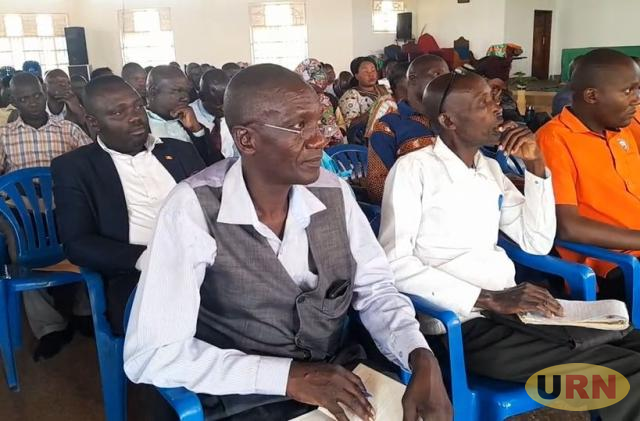
Primary school headteachers in Busia District have asked the government to increase funding for HIV/AIDS awareness and support services in schools, saying the current allocation under the Universal Primary Education (UPE) grant is inadequate to meet the needs of learners and teachers living with the virus.
The headteachers say the 0.1 per cent of the school capitation grant allocated to HIV/AIDS activities cannot adequately support awareness campaigns, counselling, and the welfare of affected learners and staff.
They also want schools to receive additional resources to provide balanced diets for learners and teachers living with HIV, arguing that inadequate support, stigma and illness are affecting attendance and academic performance.

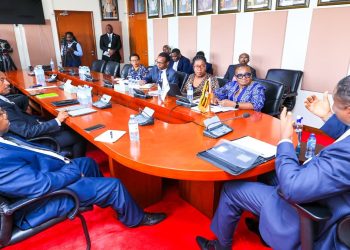
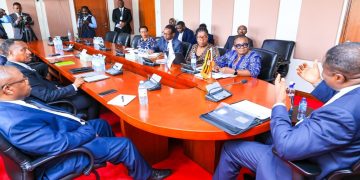
The concerns were raised during a meeting on HIV/AIDS awareness in schools held in Busia town.
According to statistics from the Uganda Population-based HIV Impact Assessment (UPHIA), cited in information obtained from the Busia District Health Department, the district has an HIV prevalence rate of 3.9 per cent, compared with the national rate of 5.1 per cent.
Lam Mayende, the Busia District HIV/AIDS focal person, said the district continues to face challenges in controlling the spread of the virus, which he partly attributed to its location along the Uganda-Kenya border and the growth of gold mining activities.
Mayende said Busia attracts long-distance truck drivers and sex workers, creating conditions that increase the risk of HIV transmission.
Mayende said HIV prevention activities have also been affected by funding shortages, condom stockouts and the withdrawal of support from the United States Agency for International Development (USAID), which he said had disrupted the work of implementing partners.
He added that the district is struggling to build the capacity of health workers to manage HIV cases because of limited resources.
Charles Okumu, the Busia District Senior Education Officer, said headteachers should use the 0.1 per cent allocation to support HIV/AIDS awareness and assist learners and teachers living with the virus.
Okumu said the effects of HIV/AIDS extend beyond health, with absenteeism among affected teachers and learners disrupting teaching and learning.
He added that some learners and teachers require additional support to manage their condition while remaining in school.
Catherine Adongo, the headteacher of Mawero Primary School, said stigma remains a major challenge for teachers living with HIV, with some afraid to sit with their colleagues or attend classes.
She appealed to the government to increase funding so that schools can engage counsellors to support both learners and teachers.
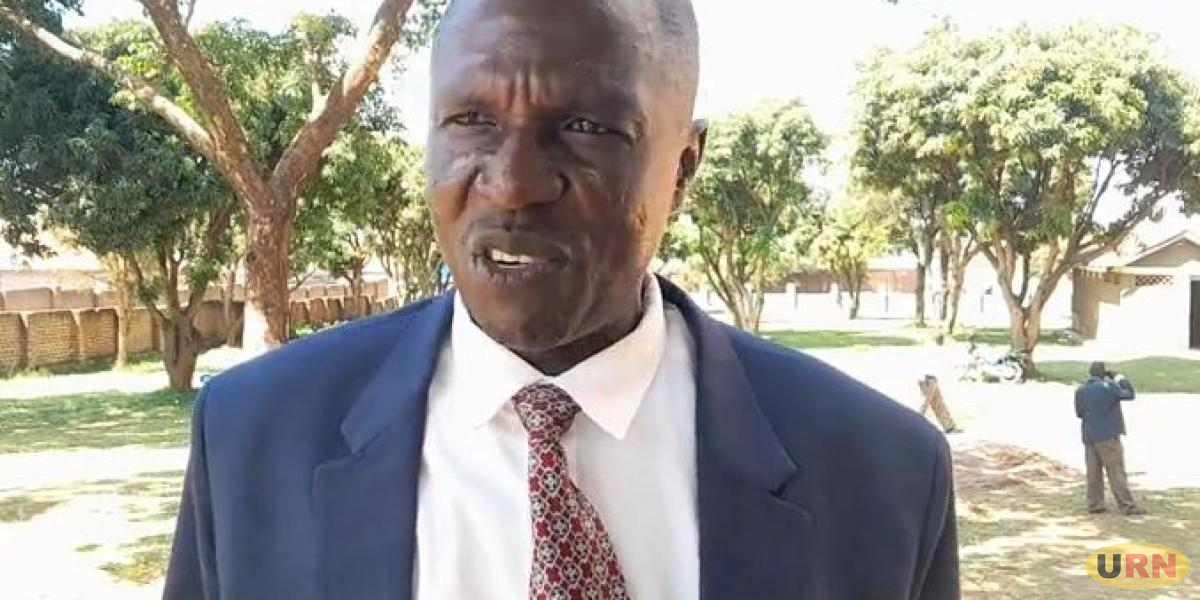
John Ojambo, the headteacher of Bulwande Primary School, said the school had established an HIV/AIDS committee, but it was largely inactive because of inadequate funding.
Ojambo said the 0.1 per cent allocation from the UPE grant was insufficient even to provide basic refreshments for committee activities.
The school, located at Majanji landing site, has learners and staff living with HIV who require additional attention and support.
Speaking in Luganda, Ojambo said efforts to support affected children had been difficult, leaving some without the assistance they need.
Geoffrey Ojambo Adika, the headteacher of Bukwekwe Primary School, said learners and staff living with HIV face stigma and inadequate nutrition, which can undermine their participation and performance at school.
He said increasing funding would help schools provide better nutritional support and reduce the burden on affected learners and teachers.
The headteachers want the government to review the current allocation and provide adequate funding for school-based HIV prevention, counselling and support programmes, particularly in communities where learners and staff face additional challenges accessing services-URN. Give us feedback on this story through our email: kamwokyatimes@gmail.com