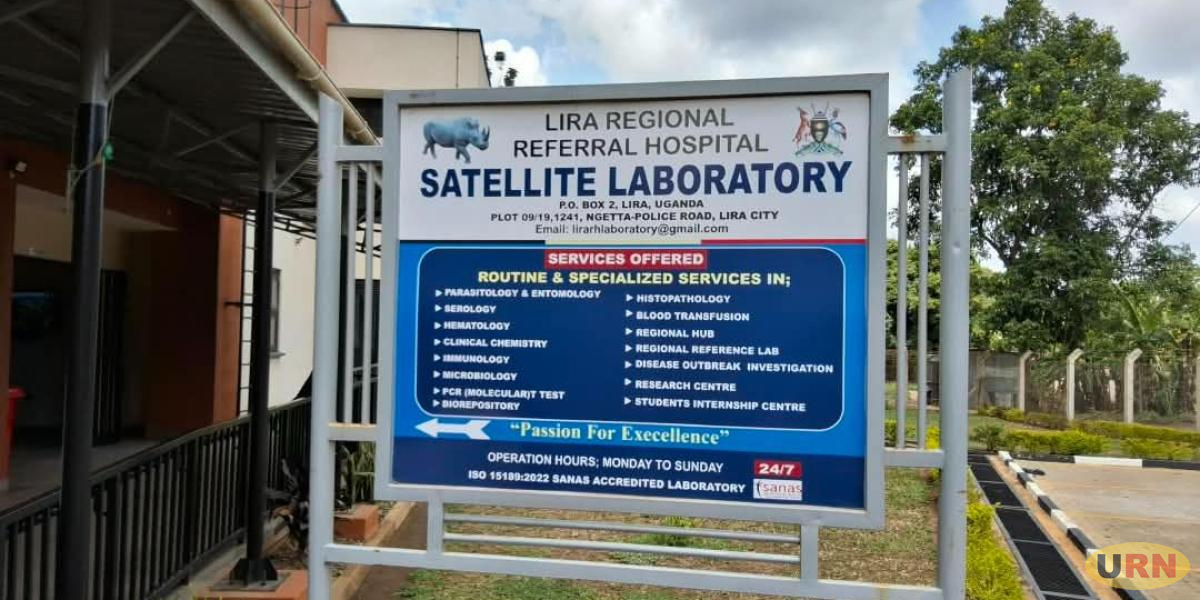
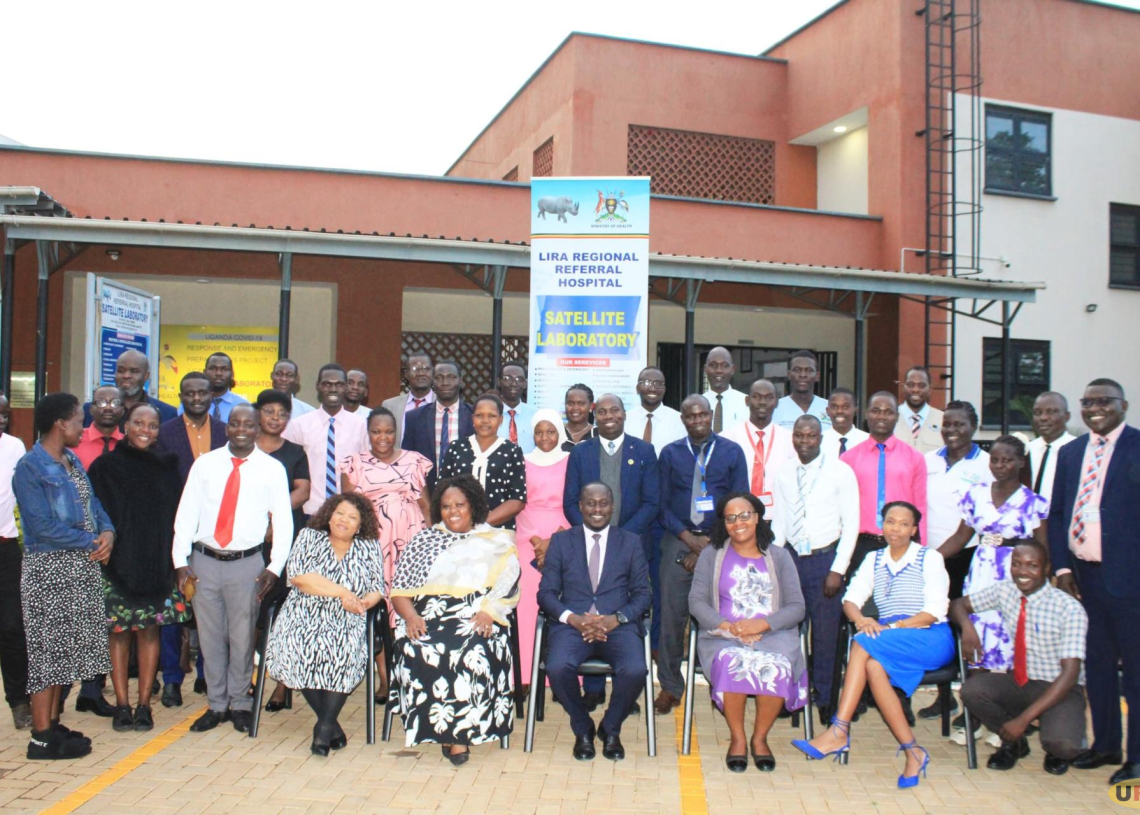
Lira Regional Referral Hospital has expanded its internationally accredited laboratory tests from 14 to 51. It has strengthened its capacity to provide reliable diagnostic services and reduce the need for patients to seek specialized testing abroad.
The expansion follows the accreditation of 37 additional tests by the South African National Accreditation System (SANAS) after a reassessment conducted on October 6 and 7, 2026.
The newly accredited tests cover several areas, including urinalysis chemistry, tuberculosis urine LAM testing, blood glucose, urea, creatinine and liver function tests. They also include blood cell measurements such as white blood cell count, red blood cell count, haemoglobin and immature granulocytes.

Nontando Glacia Moeketsi, the head of the SANAS assessment delegation, said the accreditation process was conducted in accordance with ISO 15189:2022, an international standard that sets requirements for the quality and competence of medical laboratories.
Moeketsi attributed the expanded accreditation to the laboratory’s use of appropriate technology, skilled personnel and sustained implementation of quality management systems.
“The accreditation demonstrates that the laboratory has the appropriate systems, technology and expertise to provide reliable diagnostic services that meet international standards,” Moeketsi said.
This recognition, she said, should give patients and healthcare providers confidence in test results generated at the facility, eliminating the need to send samples abroad for investigations covered by the laboratory’s accredited scope.
Senior Executive Consultant Dr. Andrew Odur said the expanded accreditation reflected the facility’s growing capacity to provide laboratory services that meet international standards, adding that the achievement would strengthen the hospital’s role in providing dependable diagnostic services and support preparations for Uganda’s hosting of the 2027 Africa Cup of Nations (AFCON).
According to Dr. Odur, the recognition demonstrates the hospital’s commitment to improving the quality of patient care by providing internationally recognized laboratory tests locally.
The development raises the total number of internationally accredited tests at the hospital’s satellite laboratory to 51, up from the previous 14.
Bernard Ongora, the laboratory manager, said the facility would continue strengthening its quality assurance systems and professional capacity to maintain the accreditation.
Ongora also credited hospital management for providing the resources and institutional support that enabled the laboratory to expand its accredited services.
He pledged continued emphasis on the accuracy, reliability and timely delivery of laboratory results to support clinical decisions and improve patient care.
The Ministry of Health (MoH), with funding from the World Bank under the Uganda COVID-19 Response and Preparedness Project (UCREPP) constricted the Biosafety Level II laboratory at LRRH for 3.9 billion shillings. The facility was then equipped with ultra-modern laboratory equipment worth 700 million shillings.
Back then, it was able to do tests such as liver and renal function tests, prostate-specific antigen, hematology, thyroid function tests, histopathology, and other specialized tests, including sections for parasitology, cancer markers, cardiac markers, biochemistry, and many others-URN. Give us feedback on this story through our email: kamwokyatimes@gmail.com