

Leaders from the Ankole and Kigezi sub-regions have raised concerns over the implementation of the GROW Project, citing difficulties in accessing funds, limited transparency and challenges in identifying beneficiaries.
The project seeks to address longstanding barriers facing women-owned enterprises by improving access to affordable finance and entrepreneurial services, enabling micro and small businesses to grow into medium-sized enterprises.
But the leaders say that stringent commercial bank requirements were preventing women from accessing the loans and that beneficiaries were instead being encouraged to take commercial bank loans instead of accessing financing under the project.

The concerns were raised during a one-day stakeholder workshop held at Riverside Hotel in Rukungiri Municipality on Thursday. The meeting brought together Resident District Commissioners (RDCs), LCV chairpersons, mayors, town clerks, Chief Administrative Officers, District Community Development Officers, women leaders and other stakeholders.
Peace Musiime, the NRM Women’s League chairperson for Ntungamo District, cited her experience with a commercial bank, which offered her a loan of 18 million Shillings repayable within nine months at an interest rate of 20 per cent. She said the terms were inconsistent with the project’s guidelines.
Jasinta Musiime Kakururu, the Rukungiri District Women Entrepreneurship Programme chairperson, questioned claims that 285 individuals in the district had benefited from GROW. She said the figure was presented during an earlier workshop in Rubanda, but no supporting evidence was provided, making it difficult for her to verify the beneficiaries.
Faith Tumwebaze, the Kiruhura District Community Development Officer, and Bright Tukunda, the Ibanda District LCV chairperson, also raised concerns about barriers to accessing the funds. The leaders further said district officials struggled to trace beneficiaries because commercial banks were not sharing the relevant information.
Rukungiri RDC Bron Kikanshemeza said his office had limited information about the project’s implementation, including how beneficiaries were selected, how funds were allocated and how the programme was monitored.
Kabale District Principal Assistant Secretary Manzi Gordon said marginalised groups, including members of the Batwa community, faced additional barriers because some lacked established businesses and struggled with bureaucratic requirements.
Responding to the concerns, National GROW Project Coordinator John Ssengendo, who represented the Permanent Secretary of the Ministry of Gender, Labour and Social Development, said the government had chosen to channel funds through commercial banks to improve loan recovery and minimise defaults.
Meanwhile, Finance Minister Henry Musasizi said the government has spent 10.75 trillion Shillings on wealth-creation programmes over the past five years, with the GROW Project among the initiatives intended to improve access to affordable financing for women entrepreneurs.
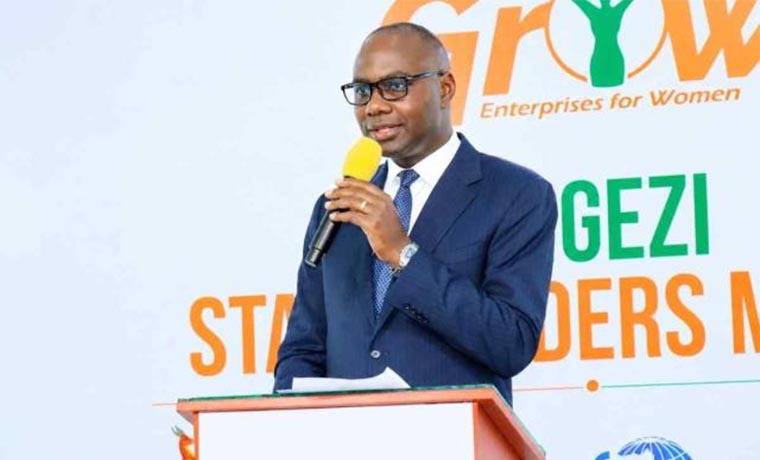
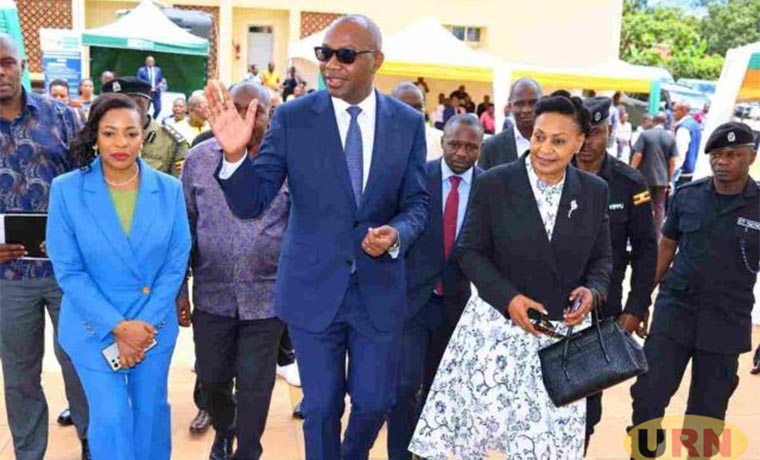
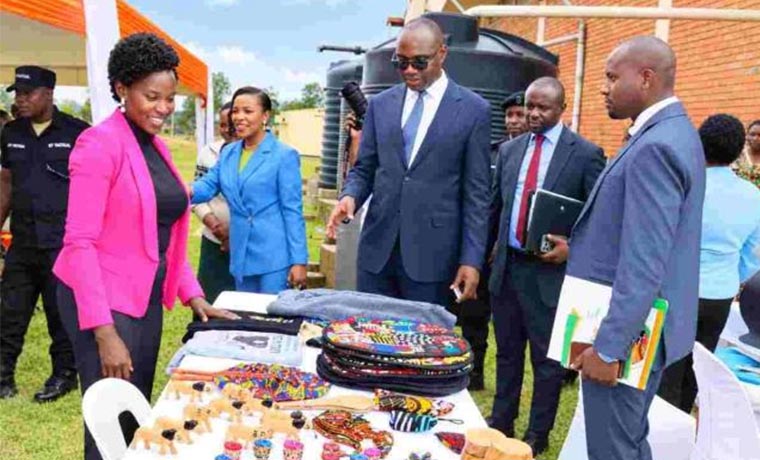
Musasizi disclosed the figures during a GROW stakeholder meeting for the Kigezi sub-region held at the Uganda National Institute for Teacher Education (UNITE), Kabale Campus. The meeting assessed the project’s implementation in the six districts of Kabale, Rubanda, Rukiga, Kisoro, Kanungu and Rukungiri.
Musasizi said the government remained committed to bringing households into the money economy through various wealth-creation initiatives. He said GROW had received up to USD 217 million in World Bank funding and offered loans ranging from 2 million to 200 million shillings with interest rates ranging from 5 to 10 per cent.
State Minister for Gender, Labour and Social Development in charge of the elderly, Jacqueline Mbabazi, said GROW specifically targeted women in business and sought to support up to 40 per cent of Uganda’s women-owned business enterprises. She said research had found that women-owned businesses generated profits up to 30 per cent lower than those owned by men, underscoring the need for targeted interventions.
National GROW Project Coordinator Dr Ruth Aisha Kasolo said the government has so far disbursed 11.3 billion Shillings in Kigezi sub-region. Rukungiri received the largest share at 3.5 billion shillings, followed by Kabale with2.2 billion Shillings. Nationally, she said, 160 billion shillings had been disbursed under the project.
Kasolo added that women accessing GROW loans would receive support to register their businesses and obtain Uganda National Bureau of Standards (UNBS) certification at no cost.
However, the Minister for Gender, Labour and Social Development, Lt. Gen. Henry Tumukunde, questioned whether the funding was translating into visible results, saying the beneficiaries identified on the ground appeared difficult to reconcile with records held by government offices-URN. Give us feedback on this story through our email: kamwokyatimes@gmail.com