Close to four thousand sex workers are reported to have benefitted from a social security scheme started partly to prevent children of sex workers from joining the trade but also to reduce on the health risks this vulnerable group of people face.
Macklean Kyomya, the Executive Director Alliance of Women Advocating for Change (AWAC) an NGO that brings together sex workers, says they started a savings group having realized that aging female sex workers were constantly have retirement with fears of their children ending up in the same trade.
Apart from the high risk of contracting diseases, Kyomya says aging in sex trade is extremely worrying as years of high earning are short and some sex workers line their children in same risky business being out of options since they can barely save and yet established social schemes exclude them.

When a group of sex workers hatched an idea of group saving for social security, the Social Innovations in Health initiative at Makerere University School of Public Health decided to helped them sustain it. The scientists assisted them formalize by registering the various saving groups and popularizing them across the country for more sex workers to trust and join.
Kyomya said the SIHI offered them a grant of twenty thousand dollars which helped them clean their house, opening up for more members who save from as little as five thousand shillings but can access funds to do agriculture as a side business along sex work or pay school fees. Members can also access health insurance through community schemes.
According to Dr Phyllis Awor, a Researcher at the School they considered social innovations that had potential of improving health outcomes for their grant and the sex workers were a fit in that category considering that they are a key population when it comes to HIV and other sexually transmitted diseases, and also regarding emerging infections.
Now, because the innovation, researchers say some of the sex workers have resigned from the trade to focus on other income generating activities that are safer.
In fact, Kyomya reveals that their innovation has been selected as a model by the Ministry of Health and another donor who offered them a grant of eight thousand dollars to see whether it yields bigger results if employed elsewhere in the country.
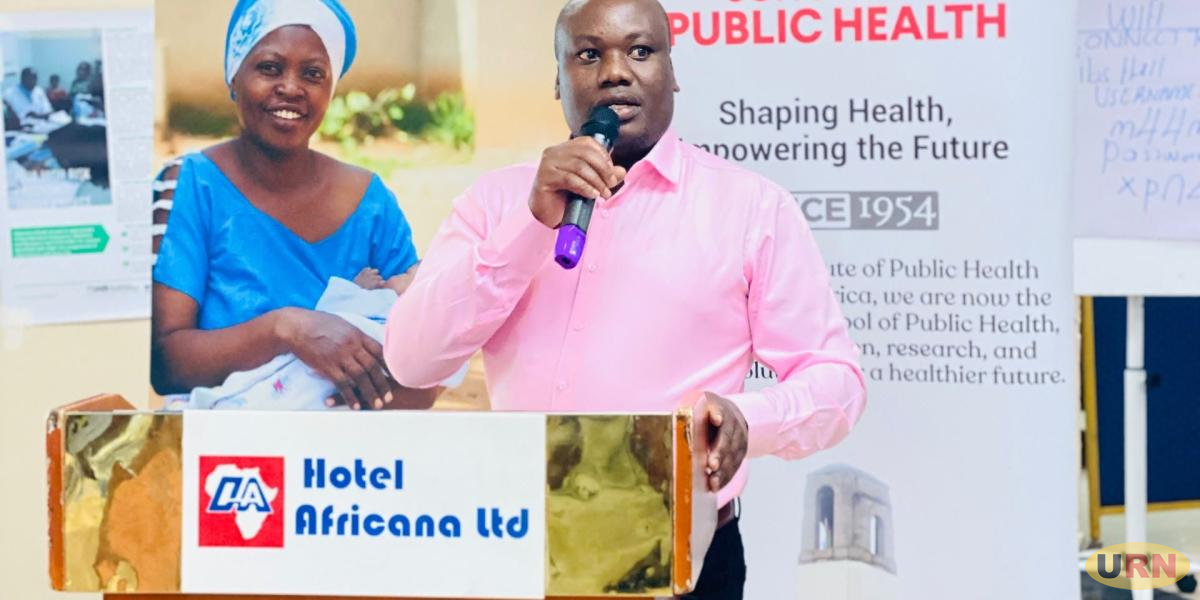
However, this is not the only social innovation that the programme is helping. Several other grantees showcased their activities including how they are helping teenagers in Busoga avoid repeat pregnancies, at an event where scientists discussed new social innovations to focus on to improve health in the next decade.
Dr Brenda Nakazibwe, the Team Leader Pathogen Economy at the Science, Technology and Innovations (STI) Ministry, said they are moving away from depending solely on science-based innovations to solve health related problems with evidence, showing them that if supported, simple interventions can help make strides in disease prevention. She gave an example how they are currently following up indigenous knowledge for value addition-URN. Give us feedback on this story through our email: kamwokyatimes@gmail.com