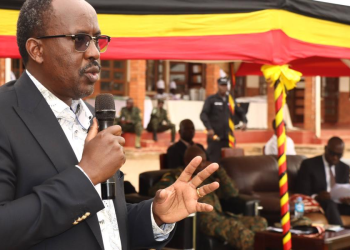
The NRM Deputy Secretary General, Rose Namayanja, has called for mandatory training of Parish Development Model (PDM) beneficiaries before they receive funds, saying poor enterprise selection and limited technical knowledge have led to losses.
Namayanja says beneficiaries should first be trained to assess the risks, profitability and suitability of different enterprises before choosing where to invest their one million shillings.
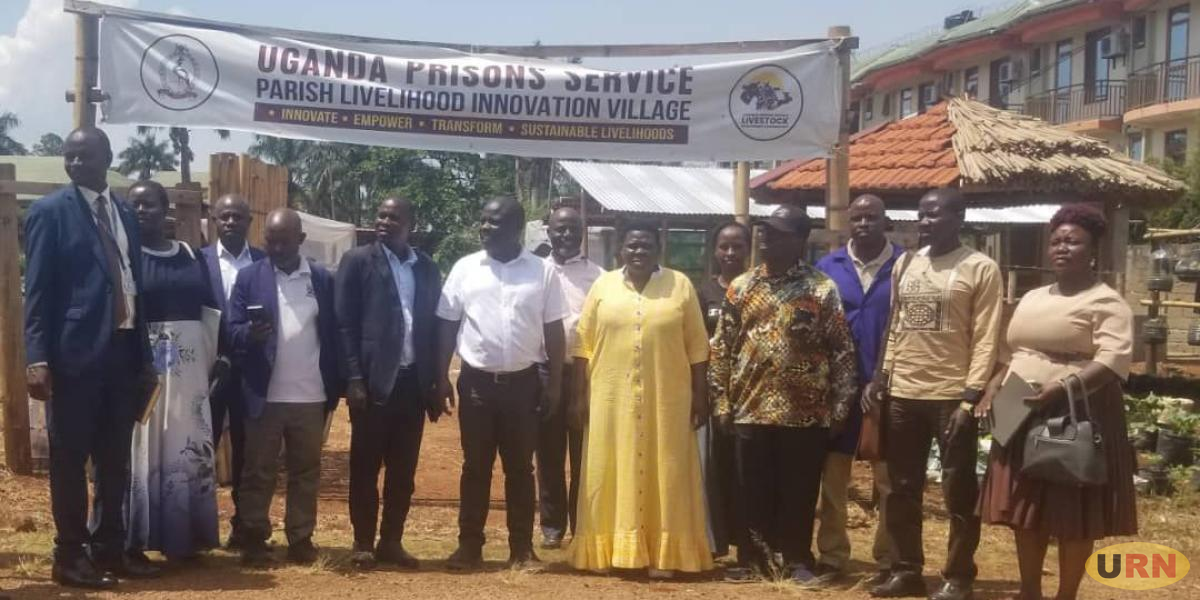
She was speaking to journalists during a benchmarking visit to the Uganda Prisons Service Practical Training Centre at the National Agricultural Showgrounds in Jinja City.

The centres are intended to provide practical demonstrations of enterprises supported under the PDM, including poultry, zero-grazing dairy farming, piggery, coffee, fruits, fish farming and food crops such as grain and cassava.
Namayanja says the training will help beneficiaries make informed investment decisions, improve productivity and earn better returns from small pieces of land.
She says Nakaseke District has 213 Practical Training Centres managed by farmers, with 96 having received technical support to improve their agricultural practices and serve as demonstration farms for other PDM beneficiaries.
However, Nakaseke Sub-county LCIII Chairperson Erick Migadde says many beneficiaries who received PDM funds over the past three years lacked the technical knowledge needed to select and manage enterprises.
He says some beneficiaries invested in piggery but bought poor-quality piglets that died within weeks, resulting in losses.
Migadde says banana farmers have also suffered losses because of inadequate knowledge about pest and disease control.
He says Nakaseke Sub-county has allocated two acres of land at its headquarters for a Practical Training Centre, and beneficiaries will be required to present training completion certificates before accessing PDM funds.
The Executive Director of the Uganda Development Foundation, Edward Katende, says the training centres will expose beneficiaries to about 10 enterprises before they make investment choices.
He says beneficiaries will also be trained in ecological suitability, return on investment and the risks associated with each enterprise.
Katende says the centres are designed to demonstrate how farmers can achieve maximum profitability through intensive agriculture on small pieces of land.
Meanwhile, Jinja PTC extension worker Joel Kiirya says the centre has 16 enterprises, including poultry, horticulture, piggery, fish, goat and rabbit farming.
He says the centre offers free training to individuals and farmer groups, while information on expected returns and risks is displayed alongside the different enterprises to help prospective investors make informed decisions.-URN. Give us feedback on this story through our email: kamwokyatimes@gmail.com