Researchers under the Uganda Climate-Smart Agriculture Transformation Project are assessing whether climate-smart agriculture technologies and practices being used by sorghum farmers in the Teso sub-region are effectively helping them cope with the effects of climate change.
The study, being implemented through the National Agricultural Research Organisation (NARO) under the Ministry of Agriculture, Animal Industry and Fisheries, focuses on the effectiveness of climate-smart agriculture technologies, innovations, management practices and strategies from the perspective of the farmers using them.
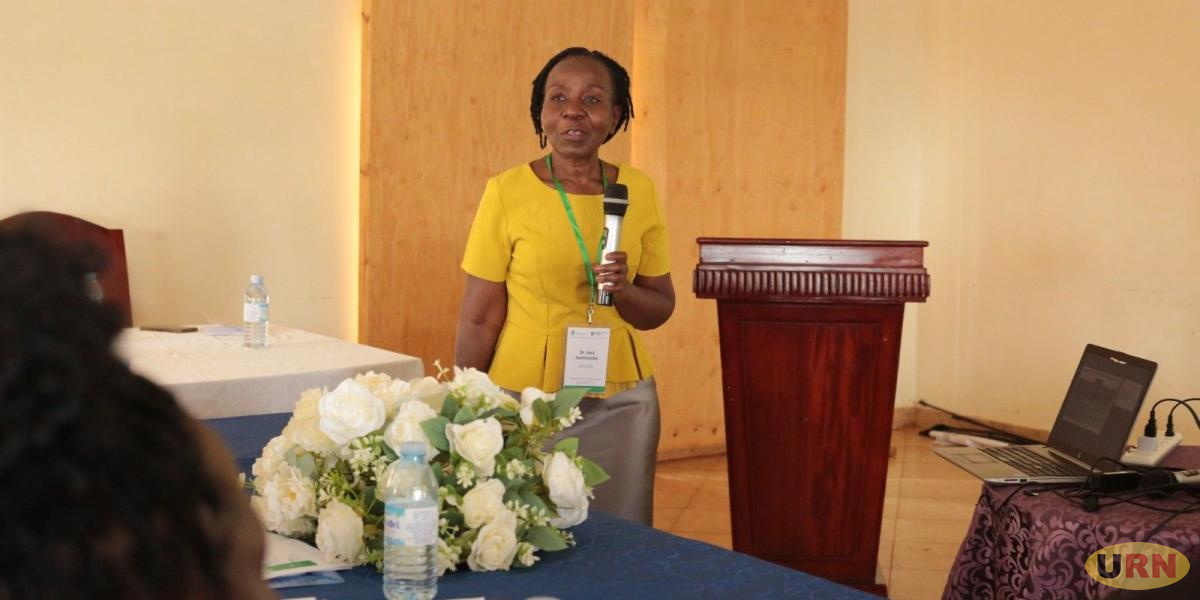
Dr Sarah Namirembe of Step Up Standard Limited, an organisation involved in mentoring young people in environmental sustainability, said the research is intended to establish whether the technologies being promoted to farmers are actually delivering the expected benefits.

She explained that the term “technology” is being used broadly in the study to include innovations, management practices and strategies, some of which are developed elsewhere and transferred to farmers through extension services, and others may have been adopted or copied from fellow farmers.
“We just want to know if these are helping them to be resilient to climate change,” Namirembe said. The researchers are interested in sorghum because of its reputation as a hardy and climate-resilient crop that can contribute to food security during difficult climatic conditions.
Namirembe said research will examine whether sorghum technologies are actually reducing farmers’ vulnerability to climate change, rather than assuming that their intended benefits are being realised.
The study will also examine technologies across the sorghum value chain, including improved seed varieties, production, processing and storage. For instance, drought-tolerant, pest-resistant and early maturing varieties developed through breeding will be assessed to determine whether they perform as expected under farmers’ conditions.
The researchers will also examine whether improved varieties meet farmers’ other needs, including taste and suitability for milling.
“Does it taste well? Does it mill well? You know, those sorts of things,” Namirembe said, explaining that the study will look beyond the ability of a variety to survive drought. The study will consider both locally developed and imported technologies and innovations used along the sorghum value chain.
Professor Charles Ssekyewa of Centre for Ecosystems Research and Development in Entebbe said climate change raises need for technologies that can help communities adapt to changing conditions. He said NARO has been researching and disseminating technologies designed to address the challenges associated with climate change, and the current study seeks to establish how such technologies have been taken up and performed in the Teso sub-region.
“We will work with young people as they engage communities to understand the technologies and practices currently being used by farmers.”
Ssekyewa said sorghum is naturally considered climate resilient, but prolonged droughts and other changes in climate are increasingly affecting its production, raising questions about whether existing technologies are sufficient to sustain production and food security.
The researchers said the study is being conducted within the wider Uganda Climate-Smart Agriculture Transformation Project, with the research component implemented through NARO. The wider project covers 69 districts, while the research team selected areas based partly on existing networks and ongoing work, while ensuring that the study fits within the districts targeted by the broader government project.
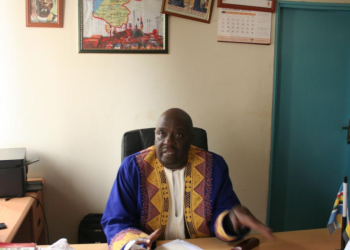
Osborne Ahinbisibwe, a research ethics manager at Uganda Christian University and head of its ethics centre, said researchers have a responsibility to protect people who provide information for studies.
He said research participants can be vulnerable because researchers often have greater access to information, funding and resources, making it important to ensure that participants are not exploited.
Ahinbisibwe said the young researchers being mentored through the project are being trained to understand their ethical responsibilities, including how research data should be handled and shared.
He added that researchers are required to have plans covering community engagement and risk management, including identifying potential risks to participants and explaining how those risks will be mitigated. Ahinbisibwe said the project has received support from NARO, the National Council for Science and Technology and research ethics committees, allowing implementation to proceed.
The project expected to run for three years and conclude in 2028. The researchers say findings from the study could help inform researchers, policymakers and development actors about whether existing climate-smart agriculture technologies are being effectively adopted and whether they are delivering the intended benefits to farmers-URN. Give us feedback on this story through our email: kamwokyatimes@gmail.com