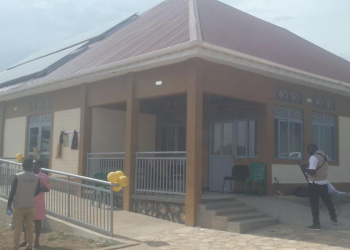

Kidney failure cases are rising in the Ankole sub-region, with Mbarara Regional Referral Hospital recording 450 cases last year, while patients requiring regular dialysis face high and sustained treatment costs. The hospital’s renal unit receives about 30 kidney failure patients every month, according to records from the facility.
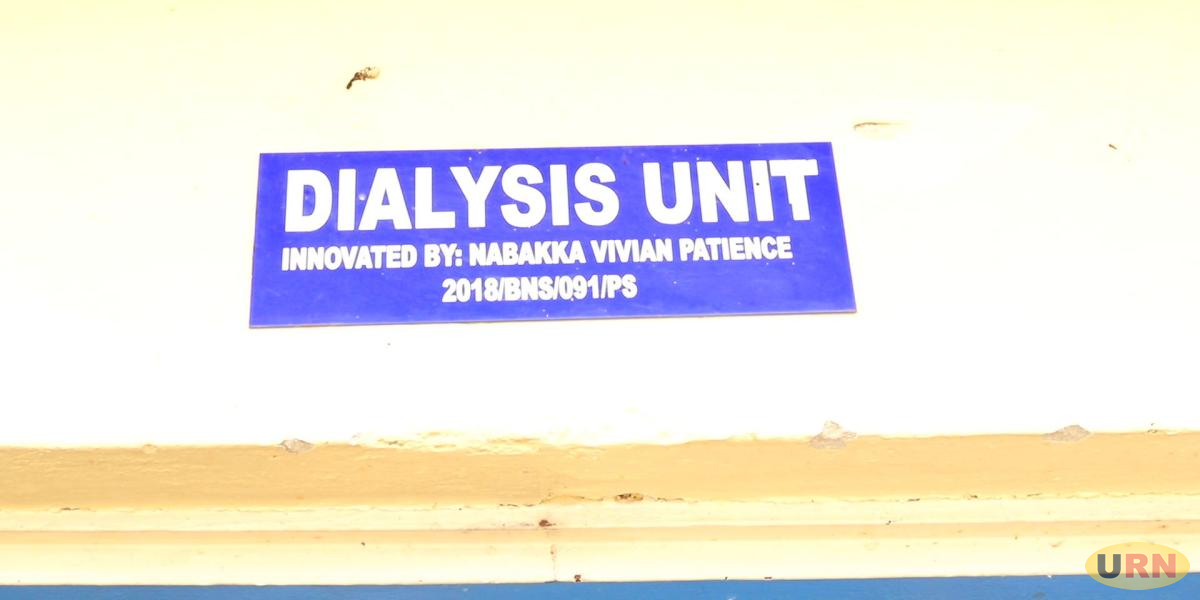
Dr Rose Muhindo, head of the Renal Ward, said the number of patients requiring specialised kidney care has continued to increase, while treatment services remain limited in the region. Muhindo said the dialysis unit currently has 30 patients undergoing treatment, with about 98 percent remaining hopeful of recovery.
She said fewer than five of the approximately 30 patients received each month are referred for further management, usually after being diagnosed with chronic kidney failure and requiring a kidney transplant. Most patients are referred to Mbarara from other health facilities because specialised kidney treatment remains scarce in the region.

Apart from Mbarara Regional Referral Hospital, similar services are available at Rugarama Hospital and Kabale Regional Referral Hospital in the neighbouring Kigezi region. The limited access to specialised care is compounded by the cost of treatment, particularly dialysis and kidney transplantation, which many patients struggle to afford because they largely pay out of pocket.
For some patients, dialysis has become a major weekly financial burden. Boaz Ainemugisha, a resident of Bujaga in Sheema District and one of the patients undergoing dialysis at Mbarara, said he spends about Shs360,000 every week on treatment.
Ainemugisha said he has been on dialysis for the past four years since he was diagnosed with kidney failure and that the treatment has drained his savings. Muhindo said many patients reach hospital after kidney disease has already advanced because early complications often go undetected. She said some patients come for routine medical check-ups and are diagnosed with kidney problems, while others only seek care after developing symptoms.
These include swelling that may begin around the face and stomach before spreading to other parts of the body, difficulty or inability to pass urine, exhaustion, dizziness, nausea, vomiting, and high blood pressure. Muhindo urged the public to undergo regular medical check-ups and adopt healthier lifestyles, including eating balanced diets and exercising regularly.
She also urged people to take precautions against conditions associated with kidney complications, including HIV, hepatitis and diabetes, and to maintain adequate water intake. The kidneys filter waste products, toxins and excess fluid from the blood and help maintain the body’s internal balance. Halson Kagure, the hospital communications manager, said the facility remains prepared to manage the growing number of renal patients, except for cases requiring kidney transplantation.
Kagure said the Ministry of Health continues to provide support to the renal unit to help it respond to the increasing demand for services. Health workers are calling for early screening, greater public awareness and expansion of specialised renal services in the region to help detect kidney disease earlier and reduce the number of patients progressing to advanced kidney failure-URN. Give us feedback on this story through our email: kamwokyatimes@gmail.com