Kumi District leaders have warned that the government’s directive discouraging schools from collecting additional charges from parents could disrupt teaching and learning, with some schools already laying off locally hired teachers and struggling to provide meals to learners.
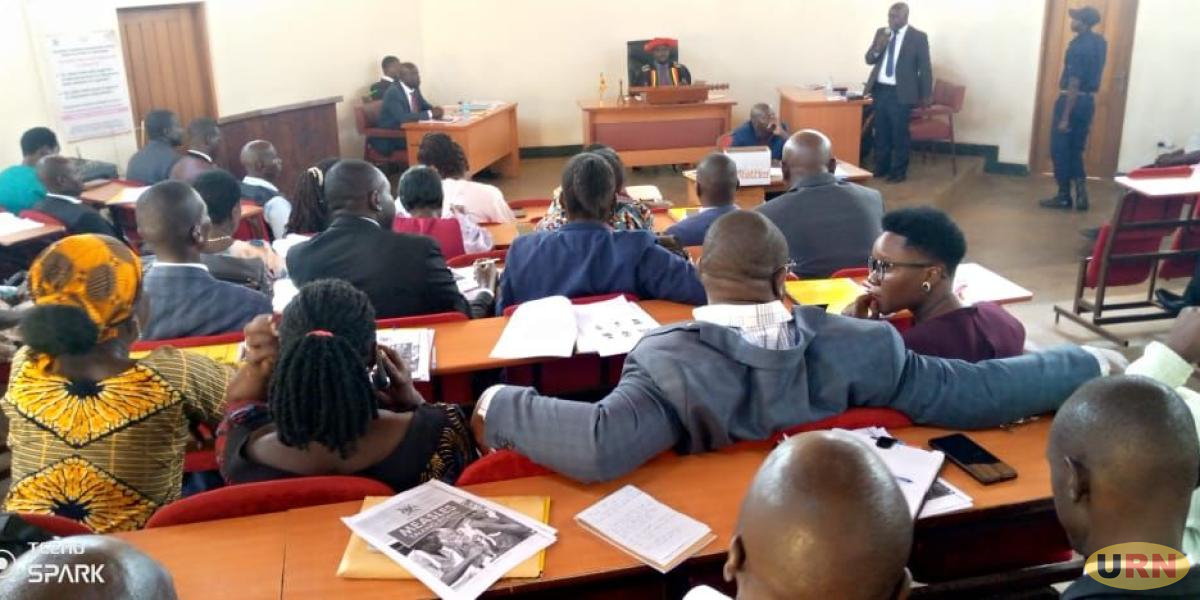
The leaders said the policy should be accompanied by increased government funding and measures to address staffing shortages before schools are prevented from relying on parent contributions to meet essential needs. The concerns were raised during a Kumi District council sitting on Friday, where leaders said many government schools have been relying on Parent-Teacher Association (PTA) contributions to pay teachers who are not on the government payroll, provide meals and support other school needs.
Samuel Akol, the district councillor representing Kanyum Town Council and a teacher by profession, described the policy as a serious threat to education in Kumi, the Teso sub-region and the country. Akol said government funding through Universal Primary Education and Universal Secondary Education was insufficient to meet all the operational needs of schools.

He said capitation grants do not cater for several essential expenses, including feeding learners and paying teachers employed outside the government payroll. According to Akol, schools have traditionally used contributions from parents to construct teachers’ accommodation and dormitories, provide meals and employ additional teachers. He said stopping such contributions without providing alternative funding could force schools to lay off teachers and stop feeding learners.
“Schools have already started laying off teachers who are being paid locally,” Akol said. He added that some learners were leaving school at lunchtime because they could no longer access meals. Akol warned that hungry learners would struggle to concentrate in class, which could eventually affect academic performance. “As a parent, as a leader, and as a concerned citizen, we should be very concerned,” he said.
He called for a balance between national education policies and the practical needs of schools. Kumi District Speaker David Tukei also acknowledged the challenges created by the new guidelines. He said some schools, particularly community schools, had already dismissed PTA-paid teachers and stopped providing boarding arrangements for some learners.
Tukei urged parents to continue taking responsibility for aspects of their children’s welfare, particularly feeding. He said parents could agree among themselves on ways of raising money to feed their children, provided such arrangements comply with government guidelines. “Those are your children,” Tukei said, urging parents not to use the government policy as a reason to neglect their responsibilities.
Kumi District LCV Chairperson Stephen Opolot said abolishing PTA contributions was difficult to implement without addressing the funding gap facing schools. He said many schools already have staff shortages and have depended on parent contributions to employ additional teachers.
Opolot warned that removing the funds could force headteachers to reduce the number of teachers, increasing workloads and potentially affecting learners’ academic performance. “As a leader, I support parents continuing to mobilize PTA support without affecting learners,” Opolot said. He said the district was preparing to engage the Permanent Secretary in the Ministry of Education and Sports over the challenges facing schools.
Opolot said the capitation grant of Shs160,000 per learner was insufficient to meet the needs of schools and asked authorities to consider the realities on the ground. Kumi District Chief Administrative Officer John Stephen Kasadha said the district had received reports of low school attendance at the beginning of the term amid uncertainty over whether schools were still allowed to collect money from parents.
Kasadha said the government was preparing to disburse capitation grants based on the number of learners enrolled and attending school, with officials expected to conduct physical headcounts before determining the amount each school would receive. However, he said schools were already struggling because PTA contributions had previously been used to employ teachers who were not on the government payroll.
“With no money coming in, the schools have also decided to release those teachers because they cannot afford to pay them,” Kasadha said. He warned that fewer teachers could increase workloads and leave learners without some lessons. Kasadha clarified that the capitation grant is intended to support scholastic materials and other school operational costs, rather than feeding learners.
He said responsibility for feeding remains with parents and encouraged them to organise individually or collectively to ensure their children have access to food at school. Kumi Resident District Commissioner Ismael Hamwada Pinto urged schools and parents to follow the existing government guidelines until further guidance is issued by the Ministry of Education and Sports.
Pinto said he would engage parents to explain the policy and ensure communities understand the guidelines. The debate over additional school charges comes amid broader concerns in Kumi about teacher shortages, school feeding, attendance and whether current government funding is sufficient to meet the operational needs of public schools-URN. Give us feedback on this story through our email: kamwokyatimes@gmail.com