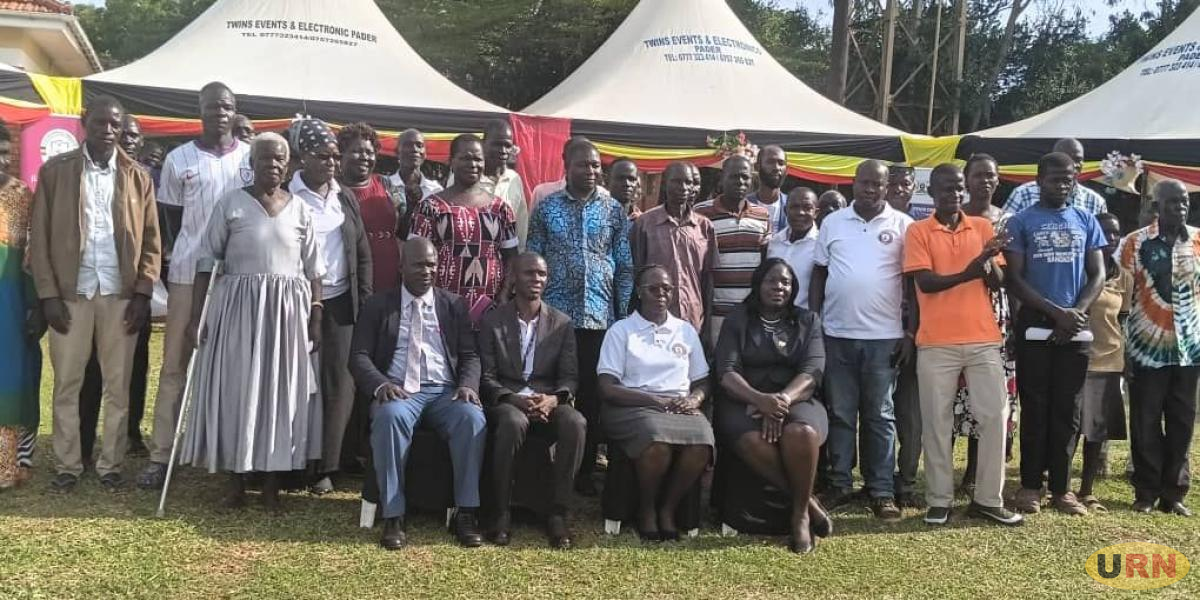
Pader residents have been urged to know their rights when dealing with courts and make use of available channels to seek information, lodge complaints and follow up on their cases. The call was made by the Chief Registrar of the Judiciary, Agnes Alum, on Friday, September 18, while presiding as Chief Guest at the Pader Chief Magistrate’s Court Open Day held under the theme, “Justice that Listens, Serves and Resolves.”
Alum said the Open Day was intended to allow residents to ask questions, understand court procedures and raise concerns about the services they receive. “The public comes to learn, but also for us to hear from the public on how we are serving,” Alum said.
She said the large number of questions raised during the event demonstrated that many court users still need more information about court procedures and services. Alum reminded the public of their rights under the Judiciary Client Charter, including access to information, a fair and speedy hearing, copies of court proceedings and judgments, and the right to lodge complaints and receive feedback.

She also addressed concerns about delays in criminal cases, particularly murder cases handled by the High Court. Alum explained that such cases often require resources to facilitate witnesses, serve documents and organise court sessions, which can affect the speed at which they are concluded.
She encouraged the use of plea bargaining in eligible criminal cases as one way of reducing delays. On bail refunds, Alum said people who have complied with court conditions are entitled to a refund after their cases have ended. She said claimants should present the original bail deposit slip and bail form, together with their bank account details or phone number, to facilitate the refund process.
Pader Chief Magistrate Martins Kirya said plea bargaining had become an important mechanism for disposing of criminal cases at the court. Kirya said the court had also received legal aid support and an additional State Attorney, which had strengthened the handling of criminal matters. He disclosed that Pajule Town Council had offered land to the Judiciary for the proposed construction of a Magistrates Court and remand home.
Pader District LCV Chairperson Alfred Akena said the Judiciary plays an important role in resolving conflicts extending beyond families and communities. “Justice is a character of God. God should have been here himself to judge, but he has given you the mandate to judge and provide justice,” Akena said. Akena asked the Judiciary to extend training for local leaders to all sub-counties and increase staffing at Atanga Court.
He said Atanga, Pajule and Puranga had been identified for expanded court services, but Atanga still lacked a State Prosecutor. Speaking on behalf of the Judicial Service Commission, Ivan Ndugwa said Open Days were not intended to find fault with justice institutions. Instead, he said, they provide an opportunity for justice-sector actors to hear directly from communities and identify practical solutions to challenges affecting access to justice.
However, former magistrate and Pader resident Beatrice Okot criticised the organisers for what she described as inadequate mobilisation and sensitisation ahead of the event. She said questions concerning pro bono legal services and witness protection were raised but remained unanswered. Christine Lanyero, a resident of Pader Town Council, called for improved interpretation services at the court.
She expressed concern that some court clerks may not be able to provide proper translation, which she said could affect both accused persons and complainants during proceedings. The Open Day brought together residents and representatives from the Judiciary, Uganda Police Force, Uganda Prisons Service, Office of the Director of Public Prosecutions and other justice-sector institutions.
Kirya said the Pader court currently has 214 cases, including 20 civil matters, with the remainder being criminal cases. He said the court is targeting to reduce the caseload to about 50 by the second quarter of next year. At the national level, the Judiciary recorded 260,189 cases by the halfway point of the 2025/26 financial year and had completed 124,824 cases, according to its 2026/27 performance statement-URN. Give us feedback on this story through our email: kamwokyatimes@gmail.com