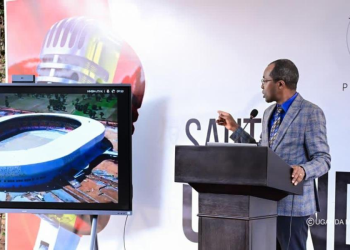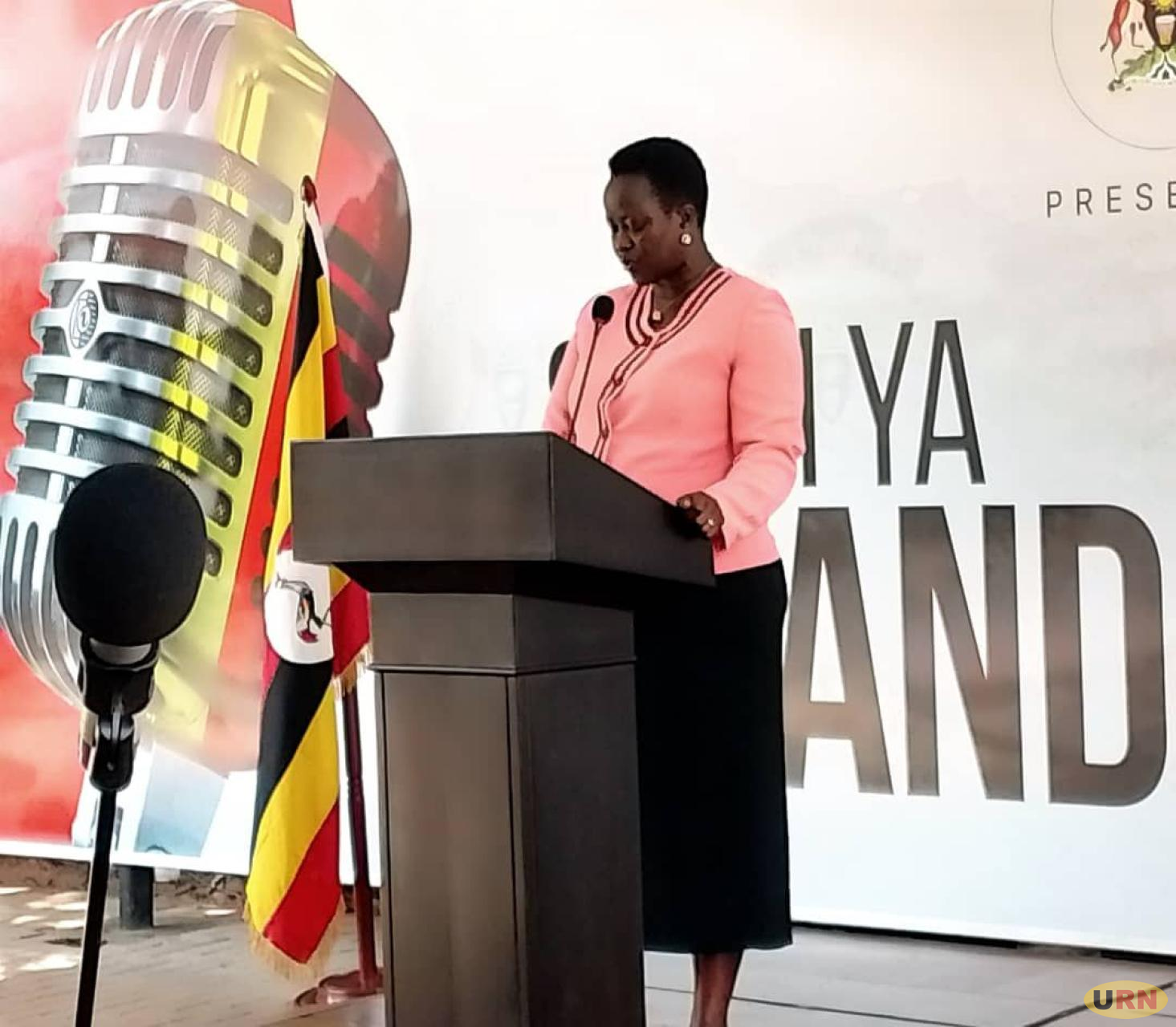
The Minister of State for Economic Monitoring in the Office of the President, Sandra Santa Alum, is set to lead a field inspection of the government’s cattle restocking and household wealth creation programmes in the Lango and Teso sub-regions.
The planned inspection comes amid longstanding concerns over the management of compensation for livestock and property lost during years of insurgency and cattle raids. She said she will examine whether government resources are reaching the intended beneficiaries and whether the interventions are translating into higher household incomes and productive assets. The team will review records, inspect enterprises and engage district leaders, technical officers and beneficiaries.
She said the team will specifically look out for irregular beneficiary selection, weak governance of Emyooga groups, poor record-keeping, delayed access to funds, failure to recover loans and diversion of public resources. The minister also defended the exercise against suggestions that it duplicates monitoring being undertaken by the Inspectorate of Government and the Ministry of Local Government.

She said while the Ministry of Local Government focuses on implementation and the Inspectorate of Government performs its statutory accountability role; her office is concerned with the broader outcomes and impact of government programmes. “My work is to see that there is impact. All these resources that government has put in place, is it translating into increasing household incomes? Is it transforming the lives of the people?” Alum said.
She said the team would establish how many households had so far benefited from the restocking programme and whether the intervention was improving their livelihoods. The government allocated Shs80 billion for restocking during the current financial year, while a further Shs100 billion has been provided for the programme in the next financial year.
At the end of the exercise, the monitoring team will meet local governments and relevant ministries, departments and agencies to validate its findings and agree on corrective measures before submitting a consolidated report to President Museveni.
Alum’s monitoring team will visit Kapelebyong, Kalaki, Bukedea and Soroti City in Teso, and Apac, Otuke, Dokolo and Lira districts in Lango to assess the implementation and impact of the Parish Development Model (PDM), Emyooga and the cattle restocking programme.
The cattle compensation programme traces its roots to claims arising from livestock and property losses suffered during insurgencies and cattle raids from the 1980s through the early 2000s.
Several groups of victims went to court seeking compensation, with some claimants obtaining court judgments against the government.The government subsequently opted to resolve many of the claims through out-of-court negotiations and an administrative verification process rather than pursue prolonged litigation.
The Auditor General has previously raised concerns about weaknesses in the management of compensation claims, including inadequate documentation, lack of clear criteria for determining eligible beneficiaries, and payments made before completion of verification processes. Parliament has also raised concerns over discrepancies in verified livestock numbers and compensation rates.
The compensation process has involved substantial public expenditure. The government reported that by 2025, Shs159.5 billion had been released for compensation of 28,281 claimants and beneficiaries across Acholi, Lango and Teso. Of these, 4,836 were from Acholi, 12,389 from Lango and 11,056 from Teso.
However, thousands of claimants remained unpaid, with government records indicating an outstanding liability of Shs472.72 billion as of January 2025. Parliament consequently called for further scrutiny of the programme. It is this history that gives the current cattle restocking programme added significance.
Under the new restocking programme, the government is providing Shs5 million to each selected household to acquire five animals—three heifers and two bulls. The Office of the Prime Minister allocated Shs80 billion for the 2025/26 financial year, targeting 16,000 households across the three sub-regions. The programme is intended to restore productive assets and livelihoods in communities affected by decades of conflict and cattle losses.
But implementation has already attracted scrutiny. Recent reports have highlighted allegations of irregular beneficiary selection, manipulation of beneficiary information and diversion of funds. In Lango, for example, concerns have been raised over changes to beneficiaries’ telephone numbers, potentially diverting payments intended for selected households.