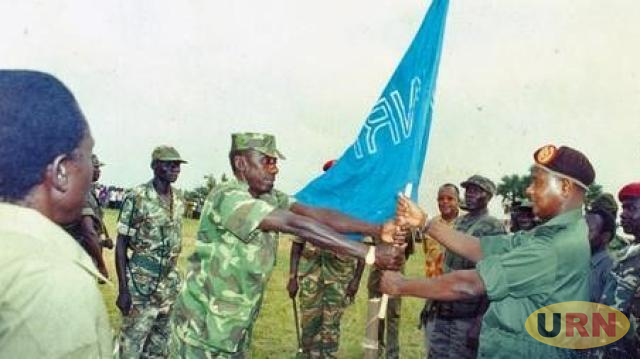
A section of political leaders, elders and close associates of the late Second Deputy Prime Minister, Gen. Moses Ali, have criticized President Yoweri Museveni and the National Resistance Movement (NRM) government for allegedly failing to honour commitments made under the peace agreement signed with the Uganda National Rescue Front (UNRF.
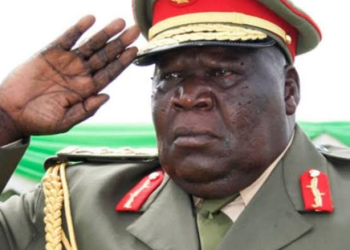
They said the unfulfilled promises have left many people in West Nile feeling marginalized for decades. The leaders made the remarks as Uganda and the West Nile sub-region continue to mourn Gen. Moses Ali, one of the country’s longest-serving political figures, who died on Saturday at Nakasero Hospital after a period of illness.
Gen. Moses Ali led the Uganda National Rescue Front (UNRF I), a rebel movement formed in 1980 by former officials and loyalists of the Idi Amin government. The group emerged following Amin’s overthrow, with the stated aim of protecting the people of West Nile and fighting the government of Milton Obote.

At the same time, Yoweri Museveni’s National Resistance Army (NRA) was waging a guerrilla war against the governments of Milton Obote and later Gen. Tito Okello Lutwa before capturing power in January 1986. Following the NRA’s takeover, the government and the UNRF signed what became known as the Yumbe Peace Agreement, committing both sides to peace, stability and development in West Nile and Uganda.
The agreement also provided for the dissolution of the rebel force and the demobilization, reintegration and resettlement of former combatants. However, several leaders in West Nile say many of the commitments contained in the agreement remain unfulfilled.
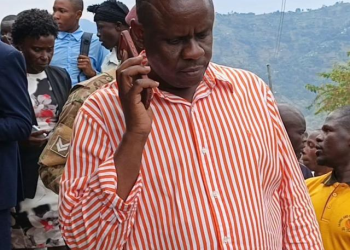
Veteran politician Kassiano Wadri, a former Member of Parliament for Terego County and Arua Municipality, said President Museveni’s successful rise to power was made possible by the support of Gen. Moses Ali and the UNRF, but claimed the peace agreement has never been fully implemented.
Wadri recalled raising the matter during the Seventh Parliament, arguing that under the understanding reached between the UNRF and the NRA, Gen. Moses Ali was expected to occupy either the presidency or the vice presidency. He said the late general’s contribution to bringing peace and supporting the NRA had not been adequately recognized.
Wadri further claimed that despite serving in government for many years, Gen. Moses Ali died a frustrated man because key aspects of the agreement remained unresolved.
Fadhil Lemeriga, the Prime Minister of Aringa Kingdom, also expressed disappointment over what he described as the government’s failure to fulfil commitments made to former UNRF fighters and the people of West Nile.
According to Lemeriga, Gen. Moses Ali played a significant role in facilitating the political transition that brought President Museveni to power in 1986, and the government should now honour the promises made during the peace negotiations.
Richard Andama, the leader of the West Nile Compensation Advocacy Network and a former Resident District Commissioner for Yumbe, echoed similar concerns.
Andama, who worked closely with Gen. Moses Ali, appealed to President Museveni to revisit the commitments contained in the peace agreement, saying their implementation would address longstanding grievances among the people of West Nile.
Meanwhile, some residents and leaders also expressed disappointment over the government’s decision not to allow Gen. Moses Ali’s body to be taken to Arua City and Yumbe District for public viewing before burial.
They argued that the two areas were historically significant as the headquarters of the UNRF I and later UNRF II rebel movements and should have been included in the official funeral programme. The government has not publicly responded to the claims regarding the alleged unfulfilled provisions of the Yumbe Peace Agreement-URN. Give us feedback on this story through our email: kamwokyatimes@gmail.com