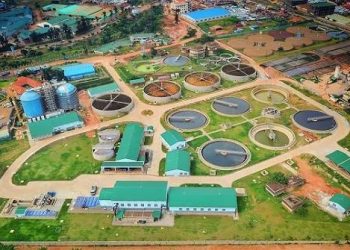
The government has completed the installation of major equipment for the long-awaited Gulu Regional Medical Waste Incinerator, a significant step towards improving healthcare waste management in the Acholi Sub-region.
The state-of-the-art incineration system, valued at more than 3 billion Shillings, has been installed at Angaya Parish in Unyama Sub-county, Gulu District, with funding from the Global Fund.
Gloria Namboira, the Treatment Facility Manager, said on Tuesday that the facility has been fitted with advanced technology capable of safely destroying almost all categories of hazardous healthcare waste, including infectious waste, pharmaceutical waste and sharps. Only empty glass vials will not be incinerated.

According to Namboira, the plant will process approximately 450 kilograms of medical waste per hour, a substantial increase from the capacities of incinerators currently used by most health facilities.
She explained that the incineration system has been designed to minimise ash production while protecting the environment through an advanced filtration system that removes toxic substances from emissions before they are released into the atmosphere.
Construction of the incinerator building began in October 2022 under a contract awarded to Bygon Enterprises Ltd. The project was initially scheduled for completion within three months, followed by equipment installation and commissioning by late 2023.
However, Uganda Radio Network has established that construction stalled for several months due to delays in compensating affected landlords, significantly pushing back the project’s completion.
Emmanuel Ainebyoona, the Senior Communications Officer at the Ministry of Health, said installation of most components has now been completed, with the facility expected to be officially commissioned in November.
He said the remaining delay is due to the procurement of two critical components: a standby power backup system and a generator, which are being acquired by the Global Fund to ensure uninterrupted operation of the plant.
Speaking during a site visit on Tuesday, Ainebyoona said the regional incinerator will address longstanding gaps in healthcare waste management across northern Uganda.
The Gulu facility is one of five regional medical waste treatment centres being established by the government. Similar facilities are under development in Mukono, Lira, Mbarara and Fort Portal.
Suzan Namukose, a Public Health Specialist at the Ministry of Health, said the new facility will eliminate the practice of open burning of infectious medical waste at lower health facilities, reducing environmental pollution and the risk of disease transmission to surrounding communities.
She explained that once the incinerator becomes operational, health facilities across the region will transport hazardous waste to the regional treatment centre instead of disposing of it on-site.
“Open burning will completely stop because this plant will now handle the waste. That means the risk to communities will greatly reduce since improper disposal exposes people to different infections,” Namukose said.
Uganda’s healthcare waste management challenges intensified over the past year following the closure of USAID-funded projects, which forced private waste collectors, including Green Label, to suspend waste collection services in many health facilities. The disruption left hospitals with growing stockpiles of untreated medical waste.
However, Namukose said the Ministry of Health has since contracted Green Label, Biohaz Waste Solutions and Stintie Innovations Ltd to support the collection, transportation and treatment of healthcare waste across the country.
Officials at Gulu Regional Referral Hospital welcomed the installation of the new regional incinerator, saying it will resolve years of inadequate waste disposal capacity.
Walter Urye-Wun, the hospital’s Principal Administrator, said the hospital’s existing incinerator burns only between eight and 15 kilograms of medical waste per hour despite serving health facilities across Gulu City. He said the new regional facility will significantly improve waste disposal, reduce pollution and strengthen public health protection.
Once commissioned, the Gulu Regional Medical Waste Incinerator will serve as the central treatment facility for infectious healthcare waste generated by health facilities across the Acholi Sub-region, easing pressure on hospitals and health centres that have struggled with safe waste disposal for years.
According to the Ministry of Health, Uganda’s 3,484 government health facilities generate an estimated 75 million kilograms of healthcare waste annually.
However, a 2022 ministry assessment found that only 23.4 per cent of health facilities had comprehensive healthcare waste management systems in place, including proper waste segregation, secure storage, treatment and safe disposal of hazardous waste-URN. Give us feedback on this story through our email: kamwokyatimes@gmail.com