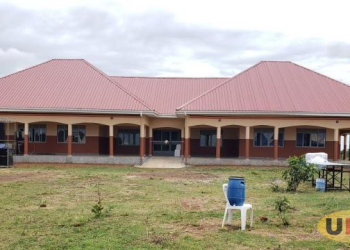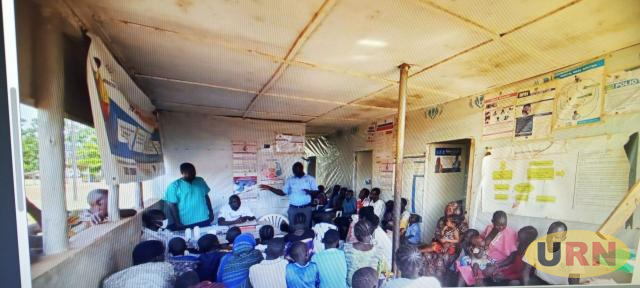
A total of 47 asylum seekers have been admitted to a refugee settlement in Adjumani District after completing the government’s mandatory 21-day Ebola quarantine.
The group, comprising 16 Sudanese and 31 South Sudan nationals, had been quarantined at the Elegu Border Reception Centre in Amuru District since mid-June after entering Uganda through the busy Elegu border crossing.
They were placed under quarantine following a government directive suspending the admission of new asylum seekers through major border entry points amid concerns over the Ebola outbreak in the neighbouring Democratic Republic of Congo (DRC).

Pauline Irene Abina, the Refugee Desk Officer for Adjumani District in the Office of the Prime Minister (OPM), confirmed on Tuesday that the asylum seekers have now been resettled at Nyumanzi Refugee Settlement. She said the group completed the mandatory quarantine period and was medically cleared before being transferred to the settlement.
Uganda currently hosts about two million refugees and asylum seekers. Since last year, the government has suspended the granting of refugee status to nationals from Eritrea, Somalia and Ethiopia, citing funding cuts by humanitarian agencies.
Addressing questions about whether the 47 asylum seekers had been granted a special waiver despite the suspension of new admissions, Abina clarified that they had entered Uganda before the formal directive took effect.
According to her, the group began quarantine on June 12 after being cleared to enter the country on the recommendation of the district Ebola task force, while the directive restricting admissions was issued later.
“The instruction came in on the 4th, but they started quarantining on June 12. From June 12, no one was admitted as an asylum seeker, and they were already in the country based on the recommendation of the district task force,” she explained.
In a directive issued on June 2, 2026, the Office of the Prime Minister suspended the admission of new asylum seekers through 28 high-risk districts bordering the Democratic Republic of Congo and South Sudan as part of measures to prevent the spread of Ebola.
Although the Elegu border crossing in Amuru District was initially not among the affected entry points, a subsequent OPM circular dated June 12 ordered the immediate suspension of asylum admissions through the crossing.
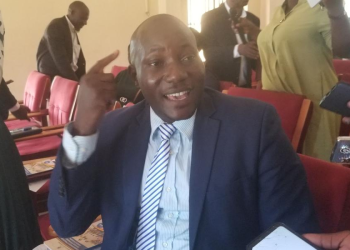
Amuru Resident District Commissioner Geoffrey Osborn Oceng said the district continues to enforce the directive and is not admitting new asylum seekers.
“We are not receiving any asylum seekers. Those were people who were already in the country. They went through the Refugee Eligibility Committee, which verified them, and after completing the 21 days of quarantine, they were resettled in the refugee settlement in Adjumani,” Oceng said.
He added that Amuru and Adjumani districts have established a joint monitoring committee to strengthen coordination and disease surveillance along the border following the Ebola outbreak.
Louis Patrick Lamot, the Cross-Border Focal Point Person at Elegu, said none of the asylum seekers developed signs or symptoms of Ebola during the 21-day quarantine period.
Amuru District hosts the strategic Elegu border crossing, one of Uganda’s busiest gateways to South Sudan, were thousands of travellers cross daily. Health officials say the high volume of cross-border movement continues to present significant public health challenges, particularly for disease surveillance and the early detection of infectious diseases.
Uganda has so far recorded 20 cumulative Ebola cases linked to the outbreak in the neighbouring Democratic Republic of Congo. According to health authorities, 15 of the cases are imported, while five have resulted from local transmission-URN. Give us feedback on this story through our email: kamwokyatimes@gmail.com