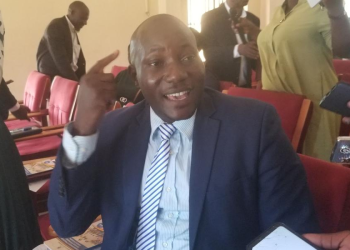
Non-governmental organizations (NGOs) operating in the Karamoja sub-region have been urged to explore alternative sources of funding to sustain their operations amid shrinking donor support and the withdrawal of major development partners. The call was made by Dr. Stephen Okello, Secretary of the National NGO Bureau, during an engagement with civil society organizations in Karamoja.
Okello noted that the global decline in donor funding has left many NGOs struggling to survive, warning that organizations that fail to diversify their income sources risk closure. He said the Non-Governmental Organisations Act, 2016, allows NGOs to establish income-generating ventures alongside their core programmes to improve sustainability. “Unfortunately, many organizations did not embrace the idea, and now they are struggling with the funding crisis,” he said.
Okello urged NGOs to identify viable commercial activities that could generate income to sustain their operations even when projects end or donors withdraw. “The profits would help sustain the organization’s operations as they continue writing funding proposals,” he said.

The call comes as many NGOs struggle to remain operational following significant donor funding cuts, particularly after the withdrawal of support from the United States Agency for International Development (USAID). According to a 2021 mapping report, Karamoja had 84 registered NGOs. However, many have since scaled down operations or closed due to the loss of USAID funding and the absence of alternative financial resources. Only a few organizations have managed to secure support through the Promoting Accountability, Civic Engagement and Rights (PACER) project, funded by the Embassies of Ireland, Denmark, the Netherlands, and Sweden.
Richard Omoding, Executive Director of the RiamRiam Civil Society Network, said nearly 70 percent of NGOs in Karamoja had relied on USAID funding, making the impact of its withdrawal particularly severe. “There was a trickle-down effect on the community, who are the ultimate beneficiaries,” Omoding said. “Interventions in health, education, food security, and peace and conflict resolution were all affected, and it has been challenging.”
Omoding noted that the remaining development partners are placing greater emphasis on legal and regulatory compliance before extending funding. He said RiamRiam, with support from the four embassies, is helping member organizations strengthen compliance with legal and regulatory requirements to improve their eligibility for donor support. However, he expressed concern over the high costs associated with compliance.
“Fees vary across agencies, and those seeking to reserve a company name have to pay not less than Shs400,000 before transitioning to an NGO,” he said. Omoding also appealed to the National NGO Bureau to harmonize reporting requirements among regulatory institutions, arguing that NGOs should submit returns to one agency, which can then share the information with other government bodies.
He further called for the digitalization of the compliance process to enable organizations to file returns online instead of traveling to Kampala. Omoding added that limited awareness of laws and policies governing NGO operations remains another major challenge. “Many people have established organizations without fully understanding the legal and operational requirements,” he said.
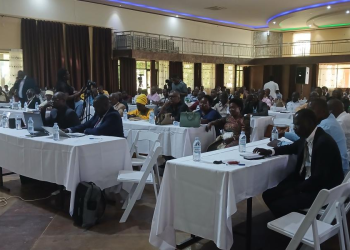
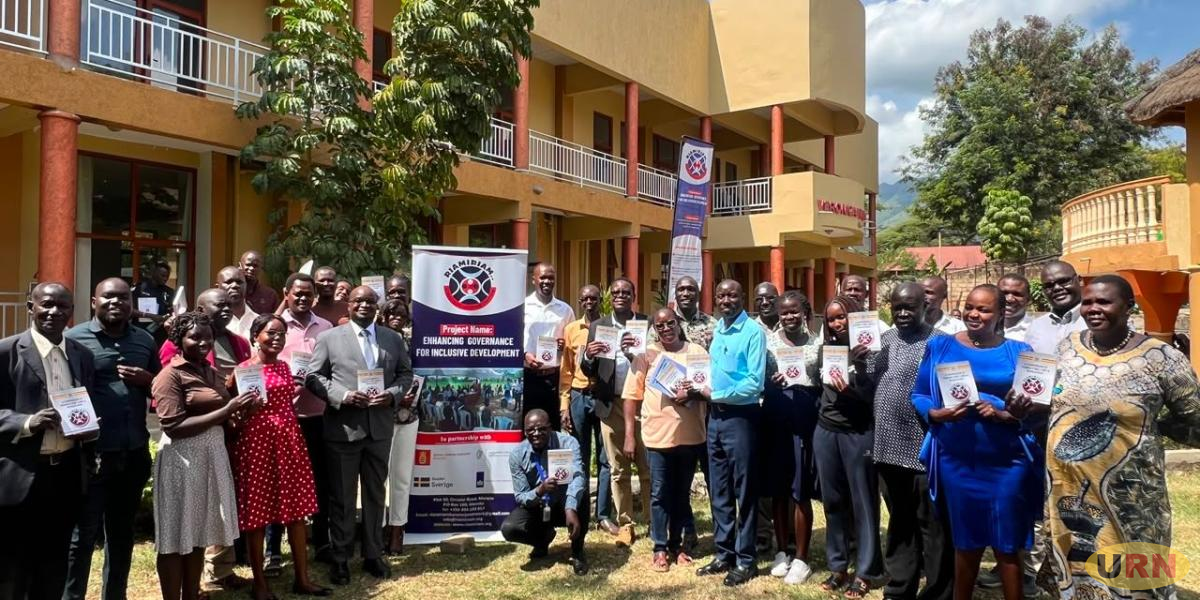
The remarks were made during an interface meeting organized by the RiamRiam Civil Society Network–Karamoja, which brought together civil society organizations and key regulatory agencies, including the National NGO Bureau, the Civic Advisory Hub, the Uganda Revenue Authority (URA), the Uganda Registration Services Bureau (URSB), and the National Social Security Fund (NSSF).
The meeting focused on strengthening compliance and accountability, providing updates on the National NGO Policy, the Sovereignty Act 2026, tax obligations, registration requirements, information sharing within the civil society sector, and social security compliance, while promoting constructive dialogue between regulators and NGOs-URN. Give us feedback on this story through our email: kamwokyatimes@gmail.com