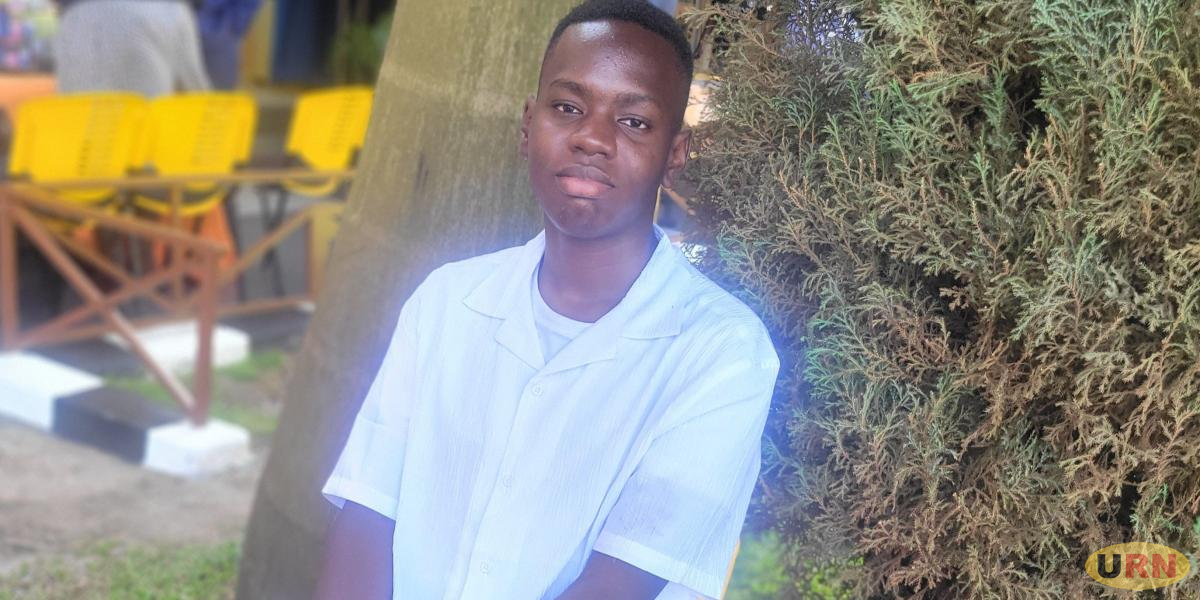
Nineteen-year-old Jeremy Darling enjoys sharing photos of himself swimming in open water. Six years ago, such a scene would have been unimaginable, not only because it terrified his family, but because his battle with sickle cell disease left him physically incapable of living such an active life. For much of his childhood, Jeremy’s life revolved around painful sickle cell crises, fractures, blood transfusions and the constant threat of stroke.
As Uganda joins the rest of the world on Friday to commemorate World Sickle Cell Day, Jeremy shared a story of pain, resilience and renewed hope. The annual observance raises awareness about sickle cell disease and provides an opportunity for patients to speak about the challenges of living with a condition many still regard as a death sentence.
In Uganda, an estimated 80 per cent of children born with sickle cell disease do not live beyond their fifth birthday. Those who survive face a lifetime of recurring pain and complications, as the only known cure, a stem cell transplant, remains financially inaccessible for most of the approximately 25,000 children born with the condition each year.

Jeremy is among the few who have overcome the disease. Five years ago, he underwent a successful stem cell transplant. While the physical pain has disappeared, the emotional scars remain. He says he still experiences painful episodes at night, not from the disease itself, but through vivid nightmares that bring back memories of his suffering.
Jeremy’s mother, Evelyn Mwesigwa, who donated the stem cells used in the transplant, says she is often awakened by her son’s screams and cries, only to realise he is reliving past experiences in his sleep. She says his fears are understandable, given the complications that nearly cost him his life even after the surgery.
At one point, Jeremy’s engraftment, the process through which transplanted stem cells migrate to the bone marrow and begin producing healthy blood cells, had reached about 98 per cent. However, it suddenly dropped to nearly 60 per cent, causing alarm among the medical team treating him in India.
Mwesigwa recalls that after doctors managed to stabilise his condition, they were discharged and returned to Uganda as countries around the world began imposing lockdowns due to the COVID-19 pandemic. Soon after returning home, Jeremy developed an infection that required specialised care. However, according to his mother, no hospital in Uganda had an adequately isolated admission facility to manage his condition.
Mwesigwa says the doctors overseeing Jeremy’s post-transplant care were uncertain about how to manage the complications he developed. She fears this may partly explain why some children who undergo the procedure abroad die shortly after returning home. The concerns were put to Dr Deogratius Munube, a Consultant Paediatrician at Mulago National Referral Hospital. He acknowledged that post-transplant mortality remains a challenge, largely because patients are highly vulnerable to infections.
Munube explains that the first 100 days after a stem cell transplant are critical. During this period, patients must strictly adhere to medication and medical guidance to ensure the transplanted cells successfully establish themselves in the body. However, the exact number of Ugandan patients who travel abroad for stem cell transplants remains unknown. Dr Miriam Ajambo, the National Coordinator for Sickle Cell Disease at the Ministry of Health, says the ministry lacks accurate data on how many patients undergo the procedure and how many survive afterwards.
She explains that while patients are cleared by the medical board to travel for treatment, there is often little or no follow-up information once they leave the country. Munube says patients typically remain on medication for at least two years after a transplant. Beyond that period, most are considered fully recovered. For Jeremy, who is now five years post-surgery, doctors believe the transplant has been successful. However, Munube notes that patients who continue to struggle after being medically cured may require mental health support to help them cope with the psychological impact of years spent battling the disease-URN. Give us feedback on this story through our email: kamwokyatimes@gmail.com