A sharp rise in mob murders across Lango Sub-region has raised concerns about public safety, with at least seven people killed in separate incidents recorded in only five days. The killings, reported between June 10 and June 15 in the districts of Oyam, Apac, Alebtong and Kole, have prompted police to call for urgent community action against mob justice, domestic violence and other malpractices they say are fuelling violent crime.
The North Kyoga Regional Police Spokesperson, Patrick Jimmy Okema, described the trend as alarming, noting that mob action was responsible for most of the deaths. “The level of violence we are witnessing is worrying. Communities are increasingly taking the law into their own hands instead of reporting suspects to the police,” Okema said.
A most disturbing incident occurred in Kole District, where two people died following a traditional ritual linked to the search for stolen cattle. Police said a traditional healer identified as Mary Oming had been invited by a resident to help trace two cows that had allegedly been stolen weeks earlier.

During the ritual, a 22-year-old man identified as Ivan Ekom reportedly began exhibiting unusual behaviour before collapsing and dying. His death sparked outrage among relatives and community members who accused the healer of causing it. The mob allegedly chased Oming into a grass-thatched house, set the structure ablaze and assaulted her to death when she attempted to escape. A motorcycle that had transported her to the scene was also burned.
Police later transported both bodies to Lira Regional Referral Hospital mortuary as investigations commenced. In Oyam District, another suspected thief lost his life after being attacked by an angry mob. Police had earlier rescued Stephen Ocen, also known as Boy, and Monica Aneno from residents of Abar Lee Village who accused them of repeatedly stealing properties from the area.
The two were rushed to Anyeke Health Centre IV for treatment, but Ocen succumbed to severe injuries the following day. No arrests had been made by press time.
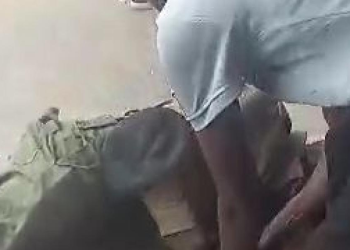
A similar incident was reported in Apac District, where an unidentified man was beaten to death at Ayago Market after a vendor accused him of stealing 150,000 shillings. Police said marketgoers descended on the suspect before he could be formally investigated, killing him on the spot. Meanwhile, in Alebtong District, police are holding a 56-year-old woman, Adero Santa, to assist with investigations into the death of 66-year-old Ogwal Mikele.
According to police, Ogwal, who reportedly suffered from mental illness, was found unconscious with severe injuries after allegedly being assaulted. He later died while receiving treatment at Alanyi Health Centre III. Investigators suspect he may have been attacked after repeatedly disturbing residents in the area.
The latest killings come amid broader concerns about violent crime in North Kyoga Police Region, which was ranked fourth among Uganda’s police regions for reported crime in the 2025 Annual Crime Report.
Okema attributed the growing number of murders to several underlying social and cultural factors. Top among them, he said, is the continued practice of informal blood compensation arrangements in murder cases, where families negotiate settlements outside the justice system.
According to him, such practices undermine police investigations and court processes because suspects often expect relatives to negotiate their release rather than face prosecution.
He also cited domestic violence as a major contributor to murder cases, blaming persistent family conflicts, alcohol abuse and economic pressures within households. Police further linked the violence to increasing school dropout rates, arguing that idle youth are becoming more vulnerable to criminal activities. Okema challenged parents to take advantage of free government education to keep children in school.
Other factors highlighted include persistent land disputes, misunderstandings at drinking places and growing intolerance within communities. To reverse the trend, police have appealed to local council leaders, cultural institutions, religious leaders and community members to intensify public sensitization campaigns against mob justice and other forms of violence.
Okema urged residents to report suspects to law enforcement agencies rather than taking matters into their own hands, warning that mob action not only results in loss of life but also denies victims and suspects their constitutional right to justice. Police investigations into all the reported murder cases are ongoing, with authorities promising to bring those responsible to justice-URN. Give us feedback on this story through our email: kamwokyatimes@gmail.com