By KT Reporter
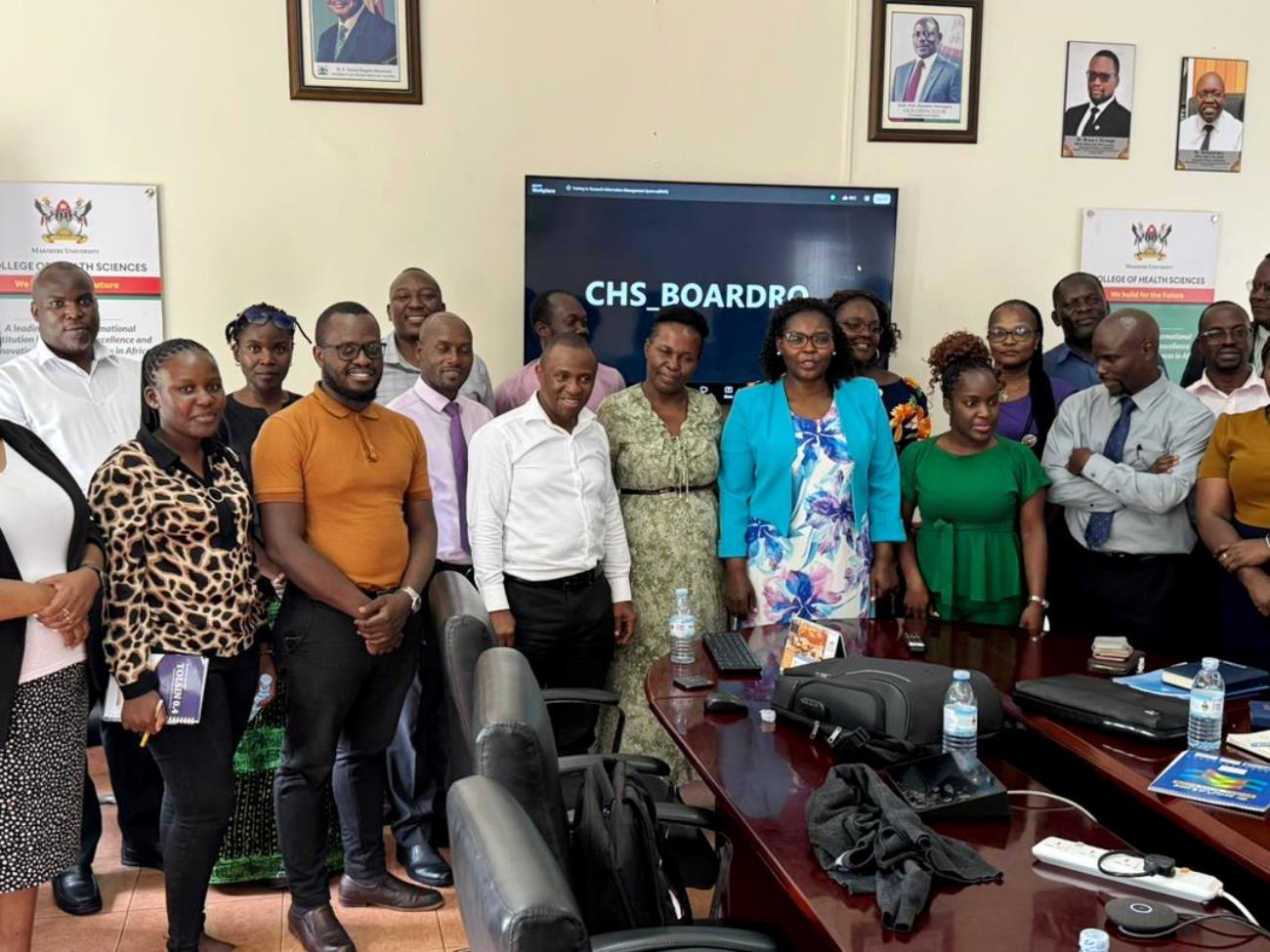
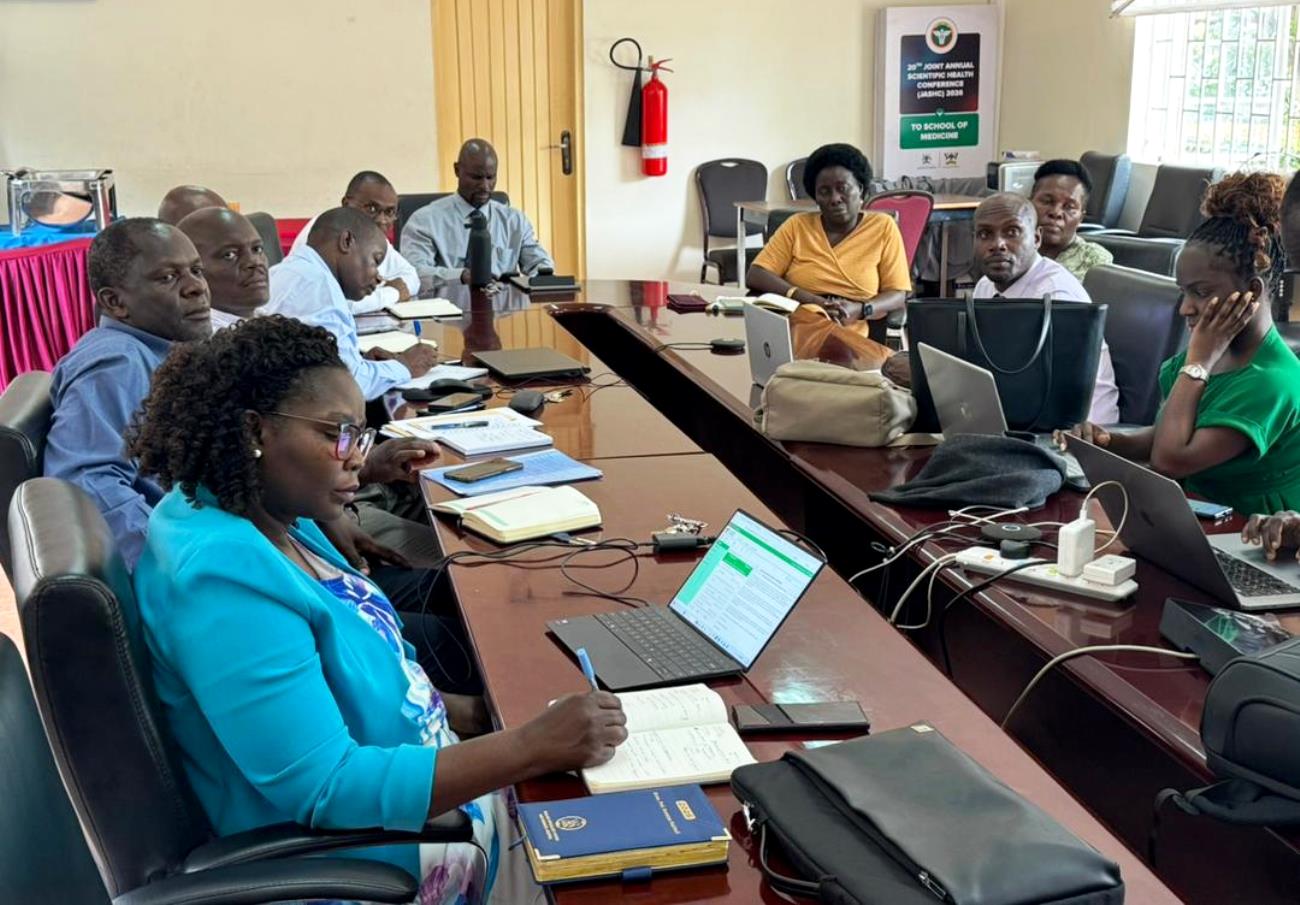
The College of Health Sciences (CHS) at Makerere University has taken a significant step toward strengthening graduate training and research oversight following a hands-on training in the Research Information Management System (RIMS) held on Wednesday, April 15, 2026, at the CHS premises.
The training brought together over 25 Heads of Departments and College Registrars from the School of Medicine, School of Biomedical Sciences, School of Health Sciences, School of Dentistry, and School of Public Health, in a strategic push to digitize and streamline graduate supervision.

Leading the CHS team, Associate Professor Annettee Olivia Nakimuli, Dean of the School of Medicine, described RIMS as a transformative tool that will redefine how graduate students are tracked and supported.
“RIMS is definitely the way to go. It will help us track students in real time,” she said. “We have struggled to know how well students are progressing, and sometimes we are not even sure who needs help along the way.”
Prof. Nakimuli emphasized that the system will enhance accountability on both sides of the supervision divide.
“It will facilitate supervision for both the supervisor and the student. Supervisors will be more accountable, but students too will be more accountable. At any one time, we shall know exactly what is happening between student-supervisor pairs.”
Addressing concerns about possible resistance or tension arising from increased transparency, she noted that RIMS would instead clarify longstanding challenges affecting completion rates.
“Completion challenges are multifactorial—sometimes it is the supervisor, sometimes the student, and sometimes both. This system will make it clear where the problem is so it can be addressed,” she explained, adding that mindset change—not technical ability—remains the biggest hurdle for some staff transitioning from analog systems.
She further aligned RIMS with Makerere University’s broader agenda of becoming a research-led, graduate-focused institution.
“This is how we begin to walk the talk of being a graduate training university,” she added.
Representing the Director of Graduate Training, Mr. Nestor Mugabe underscored that RIMS is part of a larger, evolving digital ecosystem aimed at strengthening research management across the university.
“RIMS is a comprehensive system that captures the entire research process, but today we are focusing on the e-supervision component,” he said.
He noted that the system has been rolled out progressively across colleges, with CHS engagements tailored to accommodate the demanding schedules of health professionals.
“A student cannot progress if their supervisor is not on the system. That is why we are bringing everyone on board—supervisors, administrators, and students—so that the system works seamlessly,” Mugabe emphasized.
To ensure sustainability, he revealed that dedicated technical personnel have been deployed to provide on-site support.
“We now have resident technical staff who can support you directly in your offices, ensuring that no one is left behind in this transition.”
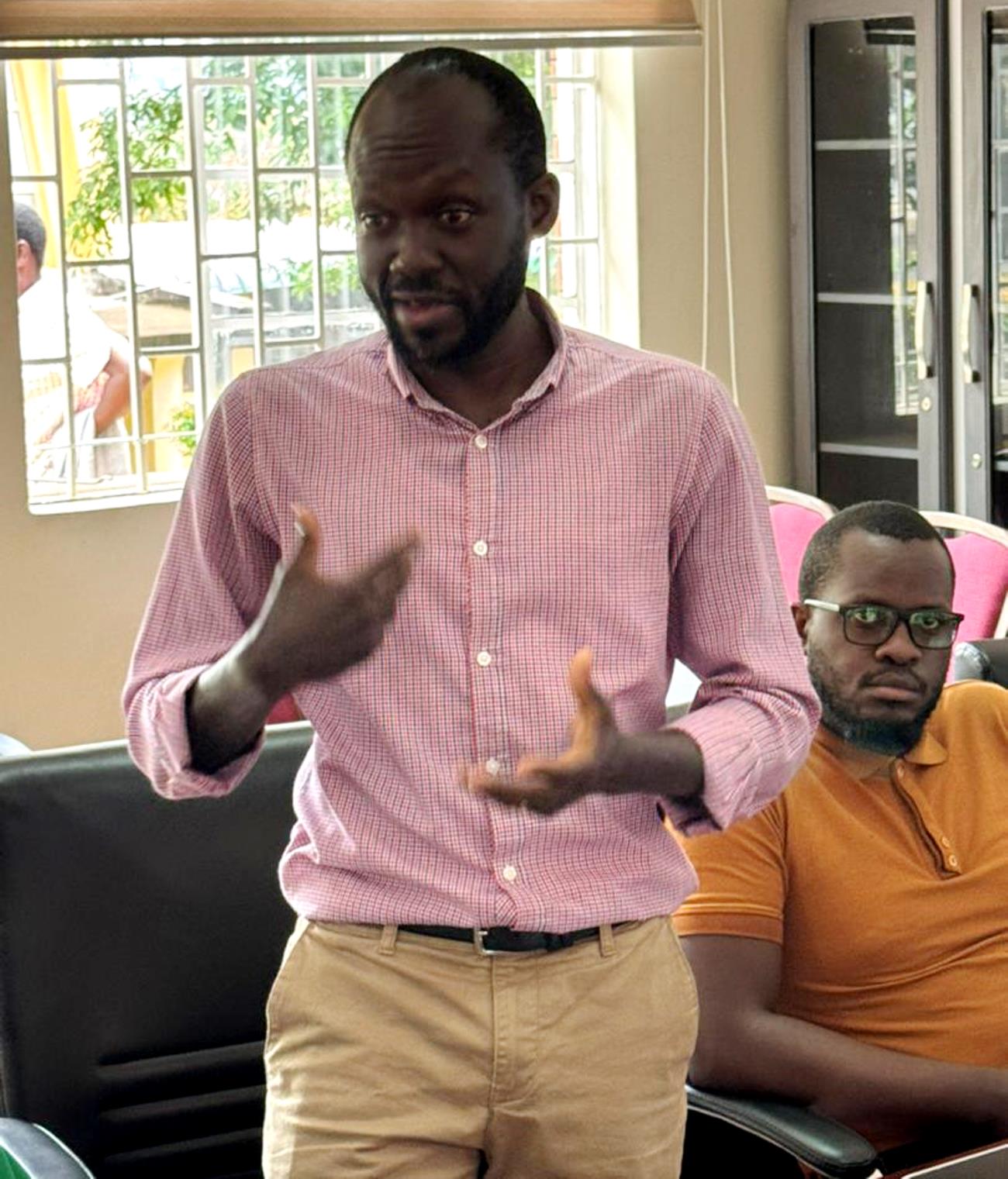
From a technical standpoint, Arthur Moses Opio of the Directorate for ICT Support (DICTS) highlighted RIMS as a critical pillar in Makerere’s digital transformation journey.
“This system is about bridging the gap between supervisors and students,” he said. “It logs activities, tracks feedback, and ensures that no academic guidance is lost or disputed.”
He explained that RIMS allows students to upload research milestones—from concept notes to final theses—while enabling supervisors and examiners to engage within a transparent, traceable system.
“Before, a student could get lost in the process. Now, every comment, every revision, every step is recorded. It brings clarity and accountability.”
Opio also noted that RIMS is integrated with key university systems, including the Human Resource Management System and the Academic Management Information System (ACMIS), ensuring data consistency and institutional oversight.
CHS College Registrar Mr. Herbert Batamye welcomed the initiative, describing it as a timely intervention in addressing inefficiencies in graduate supervision.
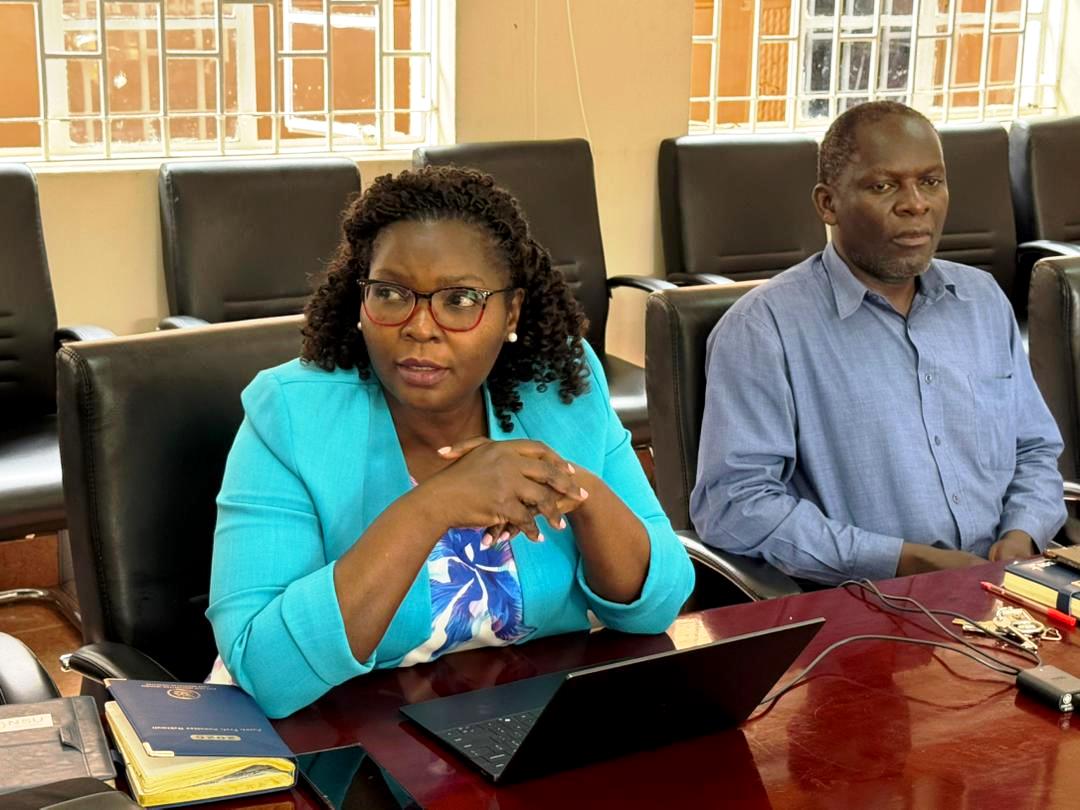
“RIMS is going to be a wonderful addition to our academic processes. It will accelerate supervision and improve efficiency if fully adopted,” he said.
He observed that the system had already received strong buy-in from participants.
“We brought together over 25 Heads of Departments and registrars, and the response has been very positive. Staff appreciate its potential.”
Mr. Batamye pointed out that one of the key strengths of RIMS is its ability to synchronize multiple supervisors on a single student’s progress.
“If a candidate has several supervisors, each will clearly see what the other is doing. It ensures that everyone is accountable and that delays are minimized.”
As Makerere University continues to digitize its academic and research processes, the CHS RIMS training signals a growing institutional commitment to improving graduate completion rates, enhancing supervision quality, and positioning research at the heart of its mission.
-MAK NEWS. Give us feedback on this story through our email: kamwokyatimes@gmail.com