


By KT Reporter
Kampala, Uganda — 27th March 2026: Makerere University has intensified its push toward digital transformation in graduate education with the implementation of the Research Information Management System (RIMS), a platform expected to end supervision delays, enhance transparency, close long-standing gaps, and boost research excellence.
Leading this shift, the Director of Graduate Training at Makerere University, Prof. Julius Kikooma, emphasized that the initiative is part of ongoing collaboration with academic units.

“Our visit to the Institute of Gender and Development Studies is part of continuous engagement to strengthen graduate training,” Prof. Kikooma said. “RIMS is not just about technology—it is about improving how students and supervisors work together, how progress is tracked, and how the university ensures quality and timely completion.”
He noted that the university is already making strides in graduate output, citing a recent milestone of over 200 PhD graduates, with 40 percent female representation—an indicator of progress toward gender equity.
“We want to push that to 50 percent,” he said. “RIMS will help us get there by providing data, improving coordination, and addressing inefficiencies in supervision and monitoring.”
Prof. Kikooma emphasized that the system will also support the university’s broader goals, including internationalization and improved research productivity, by streamlining application, supervision, and reporting processes.
“With digitization now fully underway, we cannot go back,” he said. “RIMS will allow supervisors to track student performance in real time, and management will be able to access accurate reports at the click of a button.”
He added that adoption of the system is mandatory for all academic staff, noting that it will become a key tool for measuring performance and institutional accountability.
Building on this vision, Prof. Ruth Nsibirano, Director of the Institute of Gender and Development Studies, highlighted how RIMS will directly address supervision gaps that have historically affected graduate completion.
“I’m very certain RIMS is going to bridge the gap between supervisors and supervisees,” she said. “It will ensure constant updates, structured engagement, and clear records of progress for every student.”
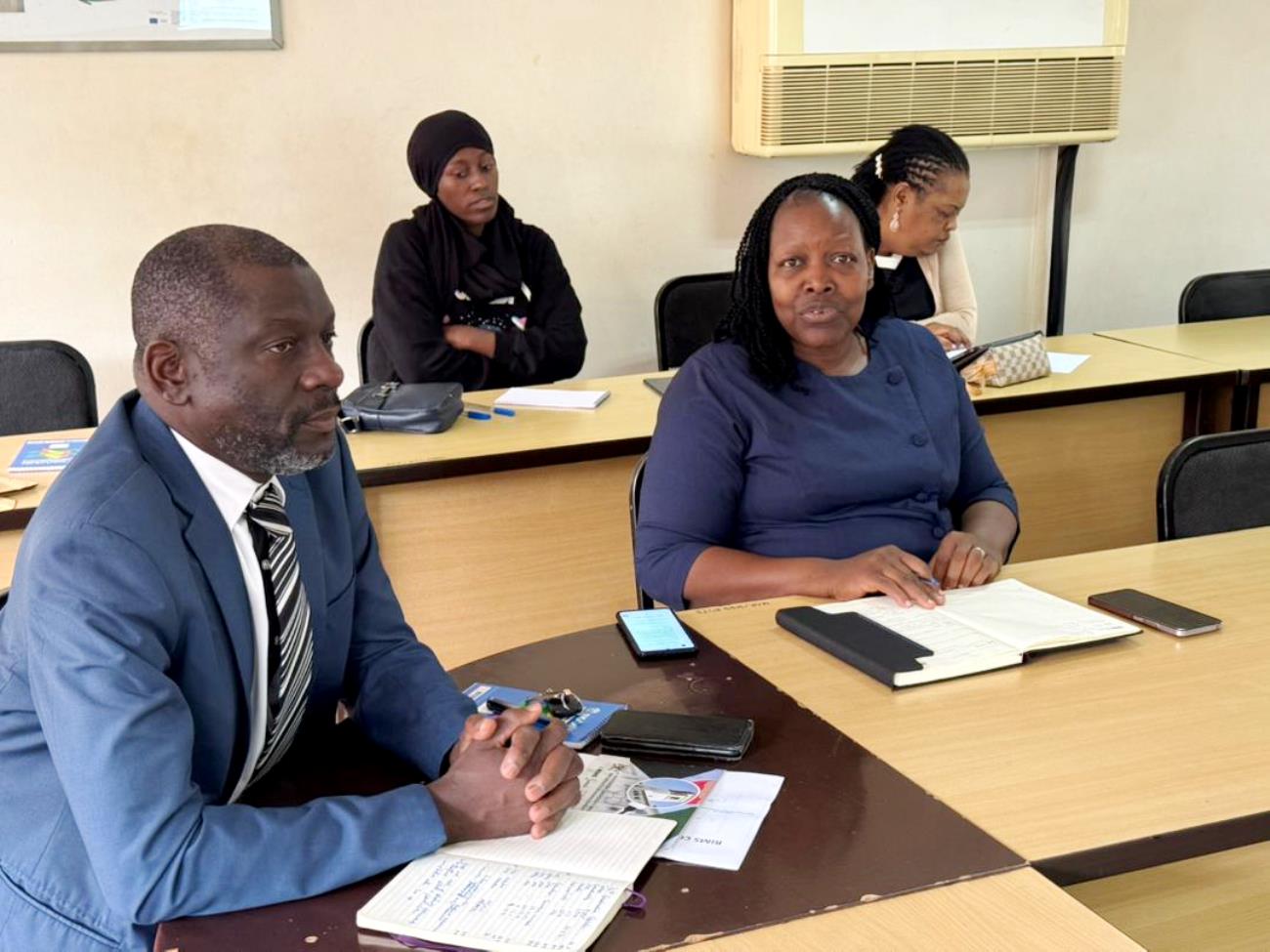
Prof. Nsibirano explained that one of the major challenges in the past has been the lack of visibility in supervision, where both students and supervisors operated without clear documentation of their interactions.
“Knowledge of what was happening was often missing because supervisors and students remained distant,” she said. “Now, there will be records showing when supervision took place, what was discussed, and who has not been responsive.”
She noted that this transparency will significantly improve efficiency and reduce delays on both sides.
“Both students and supervisors will know that their work is being tracked,” she said. “This awareness alone will improve accountability and reduce unnecessary delays.”
However, she cautioned that while RIMS will strengthen supervision systems, financial challenges facing graduate students remain a critical issue.
“We must also address the reality of limited financial support,” she said. “Even with strong systems, students still need resources to complete their studies.”
Prof. Nsibirano expressed confidence that both staff and students are ready to adopt the digital platform, noting that familiarity with technology is no longer a major barrier.
At the operational level, Dr. Julius Mugisa, Coordinator of Graduate Studies at the Institute, underscored the practical impact RIMS will have on day-to-day supervision.
“In fact, it is a very good system. It will facilitate easy supervision,” Dr. Mugisa said. “Previously, you could send comments to a student and wait five weeks without a response. Now, the system will clearly show who is delaying and who is not.”
He emphasized that the transparency of RIMS will eliminate guesswork and misunderstandings by ensuring that all supervision activities are recorded and accessible.
“There will be clear evidence of engagement—comments, timelines, and responses,” he said. “This removes the blame game and helps everyone focus on progress.”
Dr. Mugisa dismissed concerns that increased monitoring might intimidate supervisors, instead framing it as a positive step toward professionalism.
“We are here to do our work for the university,” he said. “The system is not about punishment—it is about improving efficiency and ensuring that responsibilities are fulfilled.”
He added that the accountability introduced by RIMS will encourage timely feedback and active participation from both supervisors and students.
“When you know the system is tracking progress, it helps you stay on course,” he said. “Monitoring is important, and it benefits everyone.”
Dr. Mugisa also noted that improved supervision and faster feedback could enhance Makerere University’s attractiveness to prospective graduate students.
“Students want assurance that their work will be reviewed on time,” he said. “With RIMS, that confidence will increase, and more students will be encouraged to enroll.”
As Makerere University continues to implement RIMS across its academic units, leaders believe the system will mark a turning point in graduate education—driving efficiency, strengthening accountability, closing supervision gaps, and positioning the institution as a leader in research excellence in Africa.
-MAK NEWS. Give us feedback on this story through our email: kamwokyatimes@gmail.com